During Microsoft's recent earnings call, CFO Amy Hood shared some sobering news regarding the company's financial outlook. The ongoing memory crisis is expected to directly impact revenue from Windows purchases, specifically targeting Original Equipment Manufacturers (OEMs).
How the Memory Crisis is Impacting Windows OEM Revenue
Hood provided a specific breakdown of why Windows OEM revenue is expected to decline in the high teens. According to the CFO, the impact stems from three distinct six-point factors:
- A prior-year comparable that benefited from Windows 10 end of support.
- Expected decreases in inventory levels for the quarter.
- A lower PC market resulting from price increases driven by memory cost.
To understand this, we have to look at how OEMs operate. These companies build pre-built PCs, often providing an "OEM" version of Windows that is tied to the specific device rather than a user account. Because OEMs pay Microsoft for these licenses, their purchasing power is critical to Microsoft's bottom line.
The Ripple Effect of Rising Component Prices
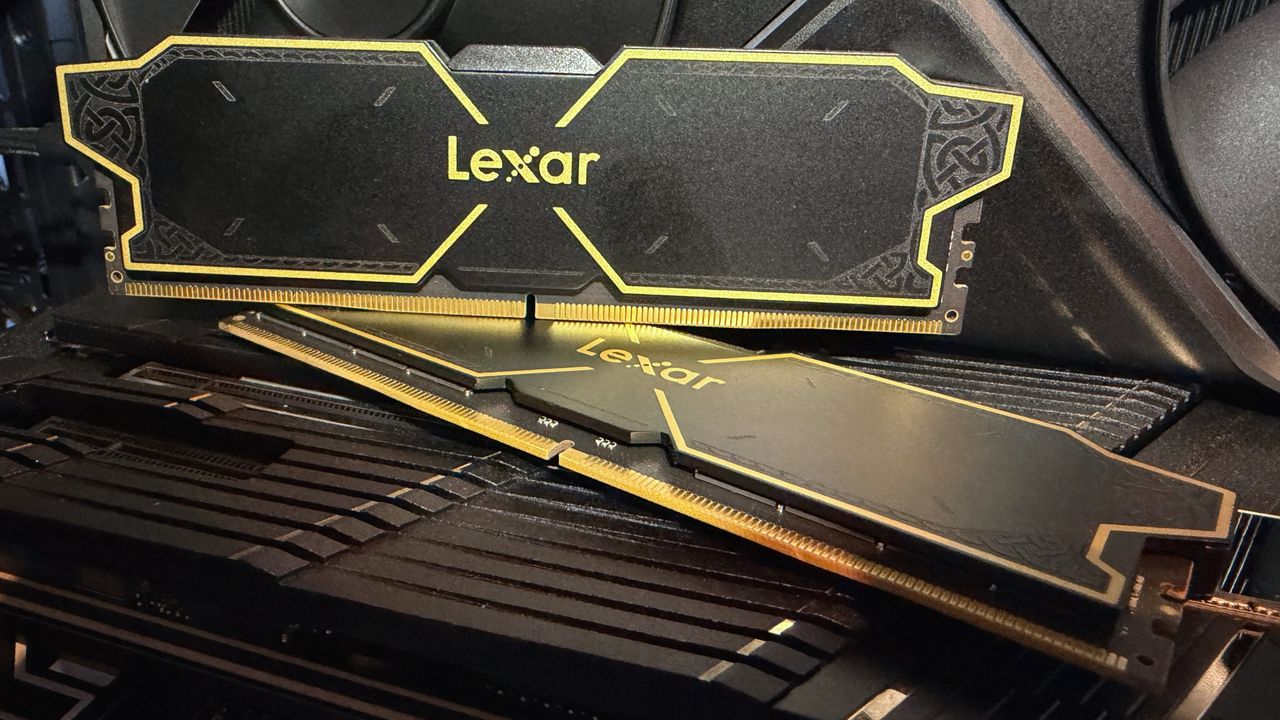
The current memory crisis—often referred to as the "RAMpocalypse"—is driving up component prices across the board. As these costs rise, OEMs must pass them on to consumers.
This creates a difficult cycle for the market: as prices increase, home users and enterprises often decide to hold onto their existing hardware for longer periods. Ultimately, this means OEMs are likely to purchase fewer Windows licenses from Microsoft, exactly as Hood predicts.
Microsoft is not entirely without fault in this shifting landscape. While not solely an AI company, Microsoft has been aggressively implementing AI through Azure and its partnership with OpenAI.
While some chipmakers remain cautiously optimistic about the future, many system builders are already feeling the squeeze of high memory prices. For those further downstream, there is currently no light at the end of the tunnel.
While the hardware outlook remains gloomy, Microsoft claims it is focusing on improving Windows fundamentals. If hardware sales continue to struggle, the company is banking on software improvements to soften the blow.