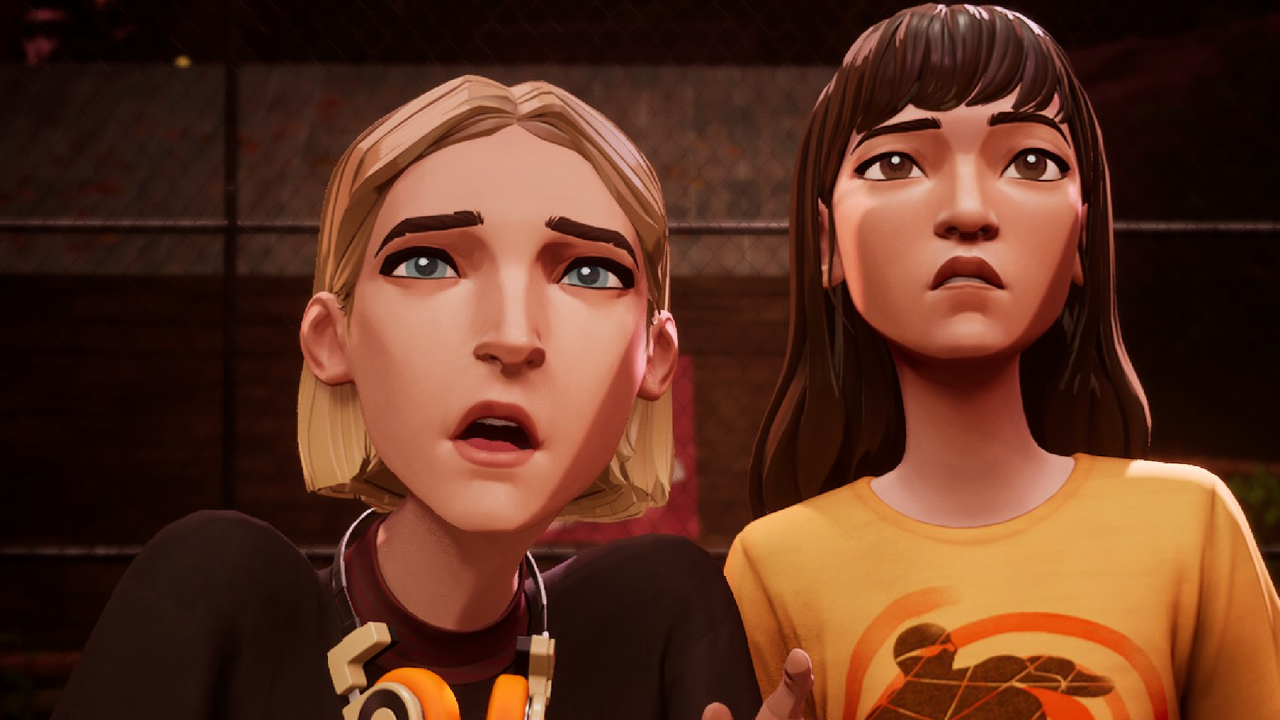
Mixtape arrived last week to a wave of critical acclaim, yet it has inadvertently become the latest flashpoint in the endless cycle of online culture war discourse. While the game boasts impressive scores from major outlets, its reception has been overshadowed by accusations of bias and political maneuvering rather than a genuine discussion of its merits.
The disparity between my score of 74 and the perfect 10 from IGN highlights a common reality in gaming journalism: taste is subjective. However, instead of allowing this divergence to stand as a natural variance in critical opinion, the internet has rushed to find a narrative of conspiracy.
The Anatomy of a Boycott and "Astroturfing" Claims
The controversy surrounding Mixtape stems largely from the corporate structure behind its release. Annapurna Interactive, the publisher behind the title, was founded by Megan Ellison, the daughter of Oracle CEO Larry Ellison. Ellison has been publicly and financially supportive of the Israeli Defense Forces (IDF).
For many players, this creates a moral dilemma regarding where their money goes. It is entirely reasonable for consumers to boycott Annapurna Interactive on these grounds, just as some might choose to avoid Microsoft due to its business relationships with the Israeli government. Supporting or rejecting a company based on its executive’s political affiliations is a valid personal stance.
However, this boycott logic has curiously morphed into accusations of astroturfing. Critics have suggested that the overwhelmingly positive reviews for Mixtape are insincere or manufactured. This argument collapses under basic scrutiny:
- Annapurna’s role as publisher is public knowledge.
- The developer, Beethoven & Dinosaur, has made no effort to hide its corporate backing.
- The game features expensive, licensed music, necessitating a significant budget that contradicts the "fake indie" narrative.
Accusing the developer of duplicity ignores the straightforward reality: Mixtape is a commercially backed project with a massive budget, not a hidden agenda.
The "Woke" Critique and Narrative Ambiguity
Perhaps the most tedious aspect of this discourse is the persistent "it's too woke" angle. This criticism is particularly baffling given that Mixtape is not overtly socially progressive. The game’s protagonist, Morino, navigates a coming-of-age story that is more focused on personal trauma and nostalgia than political statement-making.
The character of Stacy Rockford is portrayed as bi-curious. There is a compelling argument that she is gay, given the disastrous nature of her only kiss with a male character. Yet, her sexuality is never explicitly confirmed in the text. The game avoids didactic messaging, leaving interpretation to the player.
The closest Mixtape comes to addressing broader social issues is through Morino’s relationship with her father. He is depicted as a strict, second-generation immigrant cop who grew up in 1950s America. This backstory provides context for his rigidity, but the resolution of their conflict happens almost entirely off-screen. It is a subtle character beat, not a focal point of the narrative.
Nostalgia as a Divisive Artistic Tool
The real reason Mixtape is polarizing is not politics, but nostalgia. The game is a story about looking back at a fantastical, idealized version of 1990s suburban America. Whether this resonates depends entirely on the player's lived experience.
For those who view the era through a lens of idealized freedom, Mixtape feels like a heartfelt masterpiece. For others, that same idealism feels saccharine or even like a parody of suburban naivety.
I am from the UK, and my teenage years were defined by cozy house parties and cider bought by parents who just wanted to know where I was. My experience was far less "wild and wonderful" than the game’s aesthetic suggests. Consequently, I viewed Mixtape as a beautiful, lovely character drama that elicited laughs and emotional moments, but it did not connect with me on a deeper, nostalgic level.
This lack of connection is not a flaw in the game, nor is it proof of a conspiracy. It is simply the result of Mixtape being a deeply personal reflection of a specific time and place.
Why Review Scores Shouldn't Shock Us
The wide spread of reviews—from IGN’s "Masterpiece" to my more moderate 74—is a direct consequence of the game’s subject matter. Nostalgia is inherently subjective. Some people will find it an all-time great; others, like me, will find it "just okay."
This disparity is as shocking as finding a fork in a kitchen. It is a normal part of the media landscape. We must stop interpreting differing opinions as signs of bad faith or cultural decay.
- Some players love it.
- Some players hate it.
- Some players find it mediocre.
All of these reactions are valid. The discourse around Mixtape is less about the game itself and more about our collective inability to accept that art can be beautiful without being universally perfect, or political without being didactic. Let the game be what it is: a story about nostalgia, for those who feel it, and nothing more.