The Rise of Convincing Counterfeit DDR5 Modules
The current state of the PC memory market is far from ideal. With AI data centers consuming a massive portion of the supply chain, consumers have already been grappling with inflated prices and scarce availability. Unfortunately, this scarcity has created fertile ground for scammers looking to exploit desperate buyers. We are now seeing the emergence of convincing counterfeit DDR5 modules that are designed to fool even the most vigilant eyes.
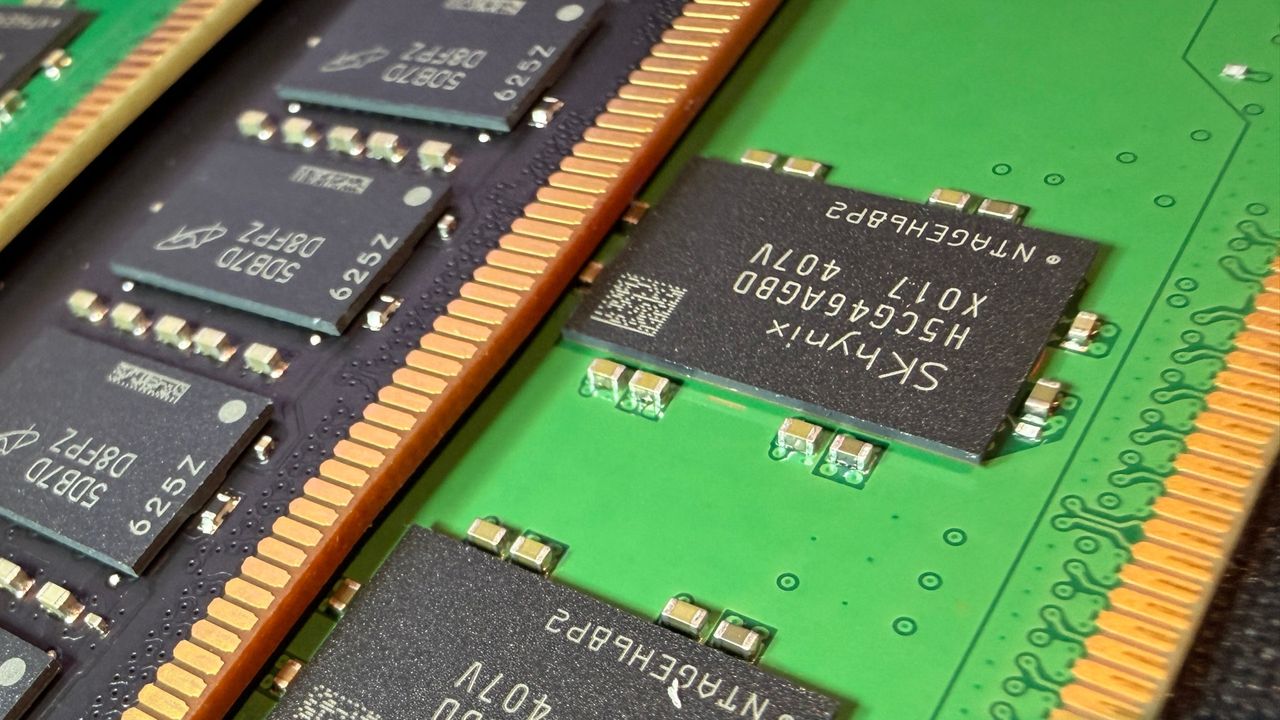
Recent reports highlight a disturbing trend where fake memory sticks are becoming increasingly sophisticated. One user, known as @taki_pc_1115 on X, shared images of what appear to be legitimate RAM sticks at first glance. However, closer inspection reveals that the actual chips installed are nothing more than bare circuit boards or plastic sheets. This deception is particularly concerning because these fakes are crafted to look authentic enough to pass a quick visual check.
Sophisticated Deceptions in the Market
The counterfeits currently circulating are not crude imitations; they are engineered to mimic high-end components. The specific modules identified by Taki are designed for laptops, which tend to be stripped of their heatsinks more often than desktop RAM. This design choice makes them easier to replicate and harder to detect as fake without opening them up.
Key indicators of these sophisticated fakes include:
- Realistic Stickers: The modules feature counterfeit stickers from major manufacturers like Samsung, making them look officially branded.
- Structural Mimicry: The outer casing and PCB layout are designed to replicate the physical dimensions and look of genuine hardware.
- Heatsink Removal: By stripping the heatsink, sellers make it significantly harder for buyers to spot inconsistencies in the chip layout or branding underneath.
If a heatsink were attached to these fake modules, the deception would be even more effective. The visual fidelity of the external components is high enough that without technical expertise, identifying the fraud is nearly impossible.
New Threats: Fake SK hynix Modules
The problem extends beyond Samsung-branded fakes. Reports from Yahoo Auctions indicate that fake SK hynix DDR5 modules are also being distributed. In one notable case, a seller listed nine fake SK hynix memory modules for just over 12,000 yen (approximately $76).
These listings are often marketed as "potentially faulty" or "untested" sets. This tactic mirrors how some buyers purchase broken consoles with the intention of repairing them. By labeling the items as potentially defective, sellers may be attempting to skirt laws against knowingly selling counterfeit products, though the legality of declaring items as counterfeit while selling them remains a complex issue.
How to Spot Fake DDR5 RAM
Identifying counterfeit memory requires a keen eye and a deep understanding of hardware specifications. However, there are several physical and technical checks you can perform to verify authenticity:
- Check the Edges: Genuine RAM modules often have rounded edges on the PCB, whereas fakes may have sharper, molded plastic edges.
- Cross-Reference the PMIC: Examine the Power Management Integrated Circuit (PMIC) shape. Counterfeiters often struggle to replicate the exact footprint and pin layout of original components.
- Inspect the Board Color: Authentic boards typically have a specific shade of green or black. Counterfeits often use a lighter, cheaper-looking green or uneven black coloring.
- Software Verification: If you cannot verify the hardware physically, you can install the module and use tools like HWInfo to read the SPD (Serial Presence Detect) data. Cross-reference this data with the specifications you expect from the specific model.
Buying Safely in a Scarcity Market
The most effective defense against counterfeit hardware is purchasing from trusted sources. If you are unsure about the authenticity of a module, prioritize buying directly from the manufacturer or reputable retailers who offer sealed packaging. Avoid third-party sellers on auction sites unless you are an expert in verifying hardware.
Always remember that PC hardware security relies heavily on buyer vigilance. If a price seems too good to be true, it almost certainly is. The current memory crisis has created opportunities for fraudsters, so do not be afraid to test memory before you buy it, especially in the second-hand market. Protecting your system starts with ensuring every component is genuine.