The Printer Smuggling Plot That Failed to Deliver
A recent court ruling in Victoria, Australia, has brought down the final curtain on a bizarre and high-stakes narcotics conspiracy. A 47-year-old man was sentenced to nine years in prison for his role in a plot to smuggle a massive quantity of cocaine into the country hidden inside office printers.
This conviction marks a significant milestone in the legal aftermath of the 2017 operation, which attempted to move $8,967,742 worth of cocaine into Australia. The scheme relied on an unlikely hiding spot, exploiting the mundane nature of corporate office equipment to bypass border security.
The Interception and the "Office" Cover
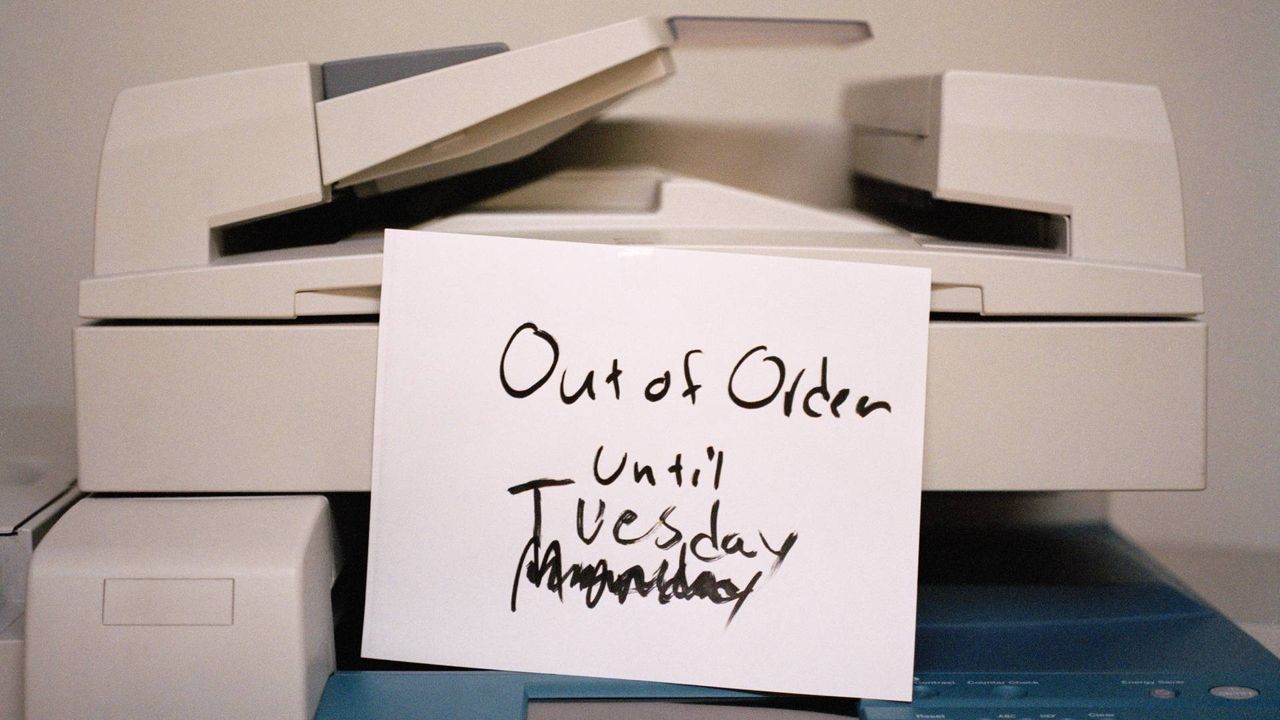
The Australian Federal Police (AFP) intercepted the shipment when it arrived in Melbourne in 2017. The consignment consisted of five printers, which appeared to be a standard commercial delivery. However, authorities soon discovered that the machines were not what they seemed.
Upon inspection, police found 10 bricks of cocaine hidden within the paper trays of the devices. As anyone who has worked in an office can attest, the paper tray is the last place one would expect to find contraband, making it a deceptively effective hiding spot for the time being.
After testing the contents, the AFP made a strategic decision. They replaced the narcotics with a substitute and continued to monitor the printers' journey. This allowed them to track the shipment all the way to a factory in Airport West, Victoria, where the final handover was anticipated.
The Legal Fallout: Convictions and Sentences
The surveillance operation led to the arrest of four men on charges of attempting to possess a commercial quantity of a border-controlled drug. The legal proceedings have unfolded over several years, with varying outcomes for those involved:
- May 2022: One of the accused men was sentenced to 10 years imprisonment.
- 2025: Another individual was also handed a 10-year sentence.
- May 8, 2025: The 47-year-old man received his nine-year sentence, becoming the third person convicted in this case.
- Trial Outcome: A fourth man was ultimately found not guilty during the trial process.
The Technology Behind the Scheme
For those wondering about the specific hardware used to transport such a high-value payload, reports indicate that the group utilized Xerox machines. While the specific model wasn't universally detailed in initial reports, the use of established office equipment provided the necessary cover for the smuggling operation.
The sheer scale of the operation is highlighted by the estimated street value of the drugs. At the time, the payload was valued at up to $12.4 million AUD (approximately $8,967,742 USD). This incident serves as a stark reminder that even in an era of digital commerce, physical smuggling operations remain a lucrative, albeit high-risk, endeavor for criminal syndicates.
The Broader Context of High-Value Smuggling
While smuggling narcotics via office supplies may seem quaint compared to other modern crimes, it fits into a broader pattern of high-value illicit trade. Earlier this year, Yih-Shyan “Wally” Liaw, the co-founder of major datacenter company Supermicro, was arrested alongside two others. They were allegedly involved in smuggling $2.5 billion worth of AI chips into China, circumventing US export controls.
This case highlights how AI chips have become the new "hard stuff" in terms of geopolitical tension. Due to strained export relations between the US and China, these components are increasingly difficult to obtain legally in certain markets. While China has reportedly approved imports of Nvidia's H200 GPU, the US government retains the power to cap exports to specific Chinese companies.
Whether this leads to more complex and elaborate smuggling stories remains to be seen. As for the average tech enthusiast, it may be best to keep any illicit ambitions within the playful confines of video games like GTA Online or Schedule 1 simulations, where the only thing you risk is your virtual currency.