Self-driving tech supplier Mobileye wants to be part of the robotaxi revolution — again
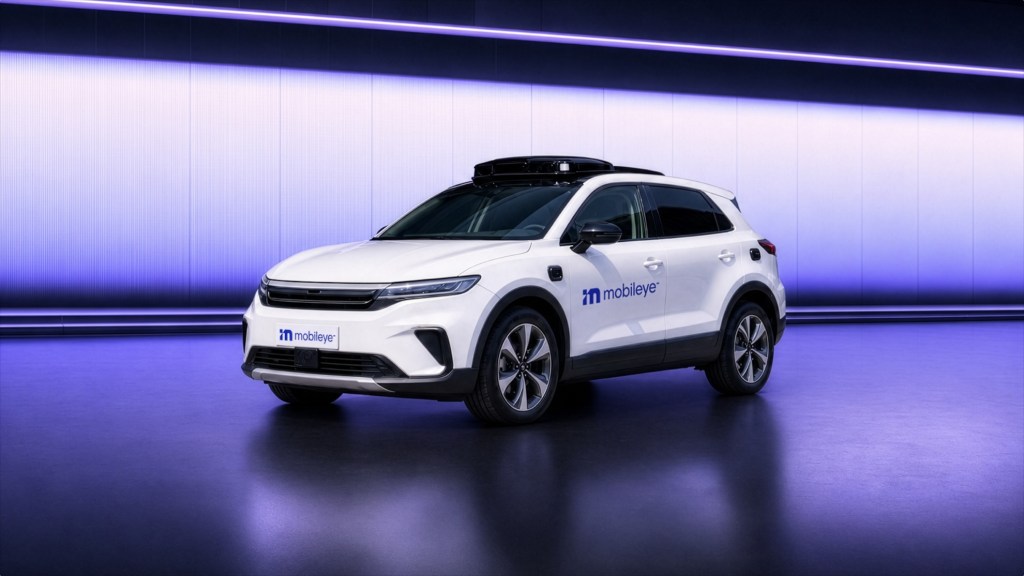
Mobileye, a leading supplier of self-driving technology, is expanding its ambitions beyond providing solutions for automakers. The Israeli-based company, an Intel subsidiary and publicly traded entity, has announced plans to launch a robotaxi service in a U.S. city by 2027. This marks a significant shift from its traditional role as a provider of autonomous vehicle systems to automakers. While the specific city remains unnamed, Mobileye has outlined a phased rollout of 100 autonomous vehicles in the first year, with ambitions to scale to 17,000 robotaxis over the next five years.
The move underscores a broader trend in the autonomous vehicle industry, where key technology providers are increasingly seeking to control not just the hardware and software but also the operational side of driverless mobility. Mobileye has long been a supplier to major automakers, including Volkswagen and its MOIA subsidiary, but this new venture positions the company in direct competition with the very firms it supplies.
A Strategic Shift Toward Operational Control
Mobileye’s decision to operate its own robotaxi service is not without precedent. In a 2018 interview with TechCrunch, CEO Amnon Shashua described the robotaxi business as a necessary step toward achieving full consumer autonomy. He argued that without the operational data and experience gained through robotaxis, the broader vision of fully autonomous personal vehicles would remain out of reach.
Now, Mobileye is turning that vision into action. The company is creating a new operating business unit dedicated to managing its own fleet of autonomous vehicles, using its self-driving system. This unit will also integrate Moovit, the transit and ride-hailing app that Mobileye acquired in 2021, for the consumer-facing side of the service.
Key points of Mobileye's robotaxi initiative include:
- Mobileye aims to operate 100 autonomous vehicles in a U.S. city by 2027
- The company has ambitions to scale to 17,000 robotaxis in five years
- Moovit, a subsidiary of Mobileye, will serve as the ride-hailing interface
- The new business unit is designed to complement, not replace, Mobileye’s existing supplier relationships
A Competitive Landscape and Industry Consolidation
Mobileye is not alone in its ambitions. Other autonomous vehicle technology firms, including Waymo and Cruise, have already launched or are in the process of launching their own robotaxi services. However, Mobileye’s move is notable given its deep ties to the automotive industry.
By operating its own service, Mobileye could gain a unique perspective on the challenges of deploying autonomous vehicles at scale. This could provide the company with data and insights that are difficult to obtain through third-party partnerships alone. At the same time, it risks alienating automakers that rely on Mobileye’s technology to develop their own autonomous systems.
The company has emphasized that this new venture is not a departure from its supplier role but an expansion of it. “We remain deeply committed to enabling automakers and mobility providers with Mobileye Drive,” Shashua said in a statement. “At the same time, operating our own service allows us to accelerate adoption, gain direct operational experience, and showcase the full potential of autonomous mobility.”
The Road Ahead
Mobileye’s foray into robotaxis reflects a growing industry trend: the consolidation of control over the entire autonomous mobility ecosystem. As the technology matures, the line between supplier and operator is blurring. Companies that once focused solely on developing the hardware and software for autonomous vehicles are now looking to manage the services they help power.
For Mobileye, this represents both an opportunity and a risk. If successful, its robotaxi service could serve as a showcase for the capabilities of its self-driving technology. If not, it could become a costly distraction from its core supplier business.
Regardless of the outcome, Mobileye’s ambitions signal a new phase in the robotaxi revolution. As the industry moves toward widespread adoption of autonomous vehicles, the companies that survive will be those that can adapt to the evolving landscape—whether as suppliers, operators, or both. Mobileye is betting that it can do all three.