Snap finally debuts its long awaited AR glasses, Specs, and, oof, they aren’t cheap
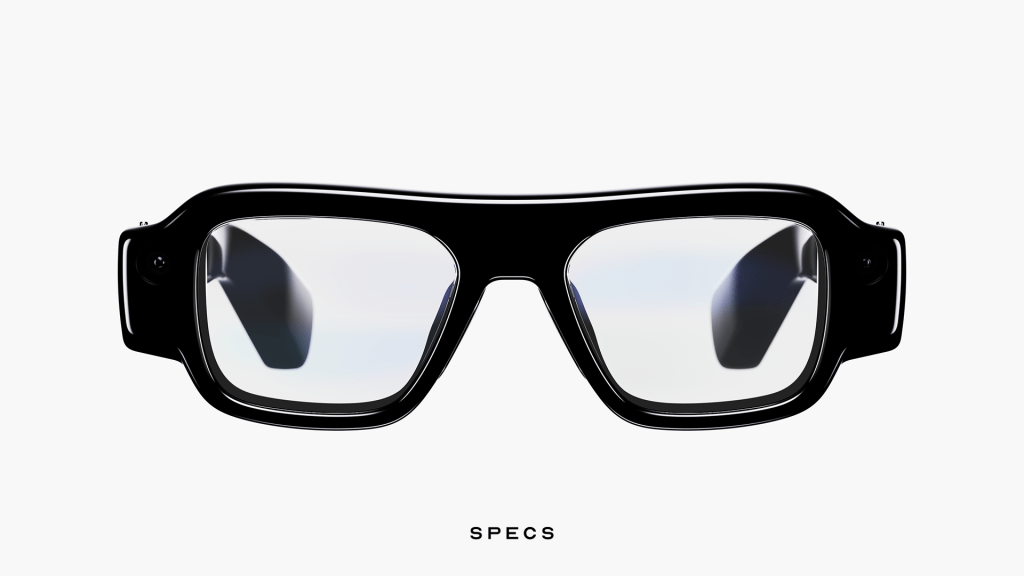
A pair of glasses sits on a table in front of a crowd, its sleek frame catching the light in a way that suggests something more than just a fashion statement. The room is quiet, expectant. Then, the device is placed on a person’s face, and the world around them changes. The display flickers to life, revealing layers of digital content overlaid on the physical world — a glimpse of what the future of computing might look like. This is Snap’s Specs, the company’s long-awaited consumer smart glasses, now finally available for preorder at a price that might make even the most tech-obsessed buyers pause.
A Design Compromise for Full Computing Power
Snap’s Specs is a striking example of a device that prioritizes computing power over form. Unlike competitors that rely on external hardware like pucks or tethers, the glasses themselves handle all processing, resulting in a bulkier, more goggle-like design. The trade-off is clear: a self-contained device offers greater freedom of movement but comes with the weight and size of a more traditional AR headset.
The glasses feature two Snapdragon processors, allowing for smooth performance in both casual and more intensive applications. Battery life is rated for up to four hours of continuous use, with a charging case extending that to 20 hours total. This is a significant improvement over earlier prototypes, which had notable issues with heat generation and comfort.
- Specs offers up to four hours of continuous use
- Charging case extends battery to 20 hours
- Improved efficiency over earlier prototypes
A Glimpse of the Future, But at a Stiff Price
At $2,195, Specs is not a product for the casual user. While it's more affordable than Apple’s Vision Pro, which starts at $3,500, it’s still far above Meta’s Ray-Ban models, which can be purchased for as low as $350. The price tag raises questions about market viability and whether there is a large enough audience willing to pay such a premium.
Snap has chosen to target its initial rollout at tech enthusiasts, developers, and studios — a niche audience with the financial means to support early-stage innovation. This strategy, however, means that the broader consumer market will likely need to wait for the price to come down, if it ever does.
The company’s decision to spin off a new entity to focus on Specs’ commercial launch underscores the complexity of bringing such a product to market. It’s a gamble that could either redefine the company’s future or continue to put it in the red.
The AR Arms Race Heats Up
Specs is entering a market that is increasingly crowded and competitive. Meta has already established a strong foothold with its Ray-Ban series, which combines AR functionality with a recognizable brand. Meanwhile, Google is preparing to launch its own line of AI-powered glasses, which could further complicate the landscape.
Snap’s contextual AI is a standout feature — the ability to recognize objects and provide relevant information in real time. This kind of feature could prove to be a key differentiator, especially as companies like Apple and Meta continue to focus on productivity and entertainment use cases.
Despite the high price, the Specs are a clear step forward for Snap. Whether they will be the turning point the company needs remains to be seen. But with the right ecosystem, partnerships, and price adjustments, they could yet become more than just a niche product — they could be the next evolution in mixed reality.