The Cole Young Problem
The 2021 Mortal Kombat film struggled under the weight of poor creative choices, a bloated runtime, and a protagonist who didn't even exist in the source material. Instead of delivering the brutal tournament action fans craved, it spent its limited screen time building out Cole Young, a completely original character, while sidelining the roster's actual standouts. That fundamental misstep haunted the franchise for nearly four years. Fortunately, Mortal Kombat 2 redeems itself by fixing the worst thing about the first movie: its obsession with an irrelevant lead.
Around the thirty-minute mark, the sequel finally acknowledges that Cole’s journey is over. Raiden offers a passing introduction to Johnny Cage before the narrative completely drops him. The film even gives Cole a brief moment of resolve about leaving his family behind, only to brutally subvert it on the iconic Dead Pool stage. Facing Shao Kahn, Cole lands a near-victorious blow before the emperor’s amulet grants him unfair immortality. The result is a head-splitting defeat that leaves Cole’s corpse dragged into the green sludge. The other characters barely register the loss, and honestly, neither should the audience.
How Mortal Kombat 2 Fixes the Franchise's Core Problem
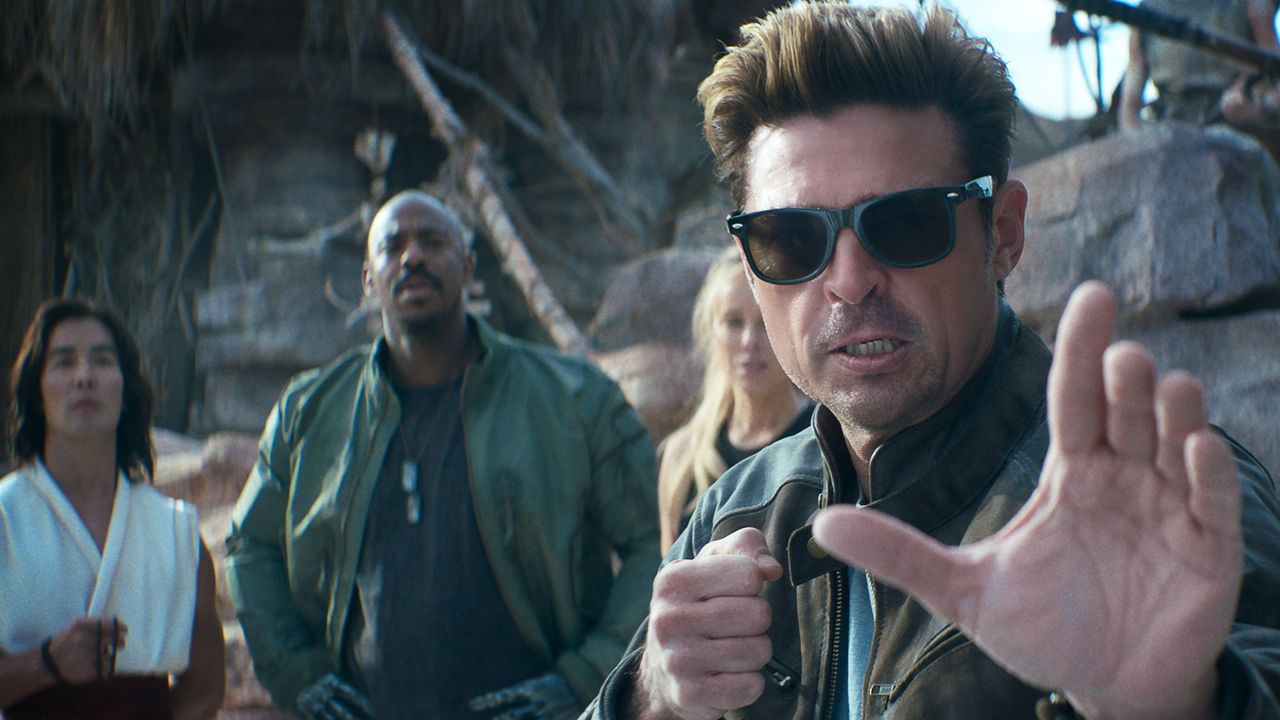
Killing off the original lead was the single best decision the sequel could have made. By removing the cinematic invention, the film finally has room to breathe and let the actual tournament competitors shine. Karl Urban brings a charismatic, divisive energy to Johnny Cage, delivering the cocky Hollywood actor fans have long wanted. Adeline Rudolph absolutely dominates as Kitana, commanding every scene she’s in with a fan-wielding grace that elevates the entire production. Liu Kang remains criminally underutilized, but the rest of the cast finally gets the spotlight they deserve.
The improved focus translates directly to the sequel's strengths:
- Character Dynamics: The banter between Johnny Cage and the resurrected Kano finally lands, particularly during their chaotic fight against Baraka.
- Visual Stakes: The tournament feels dangerous again, with genuine consequences replacing the first film’s hollow setup.
- Pacing: The runtime finally prioritizes actual combat and lore over forced emotional backstories.
A Mid Adaptation with Promising Footing
Is it the definitive video game movie? Not quite. Mortal Kombat 2 still lands as a rather mid adaptation that plays it safe in the third act. The final ten minutes aggressively plant seeds for a third installment, which might test audience patience. Kano’s return is a mixed bag; while he is noticeably more restrained than before, his presence still occasionally drags the tone down. Still, the prosthetic-heavy comedy and cage-side rivalries prove the studio is actually listening to feedback. After years of dormant franchise potential, Mortal Kombat 2 finally gives fans a tournament worth watching.