Motorola’s Souped-Up Folding Phone Is Almost Half Off
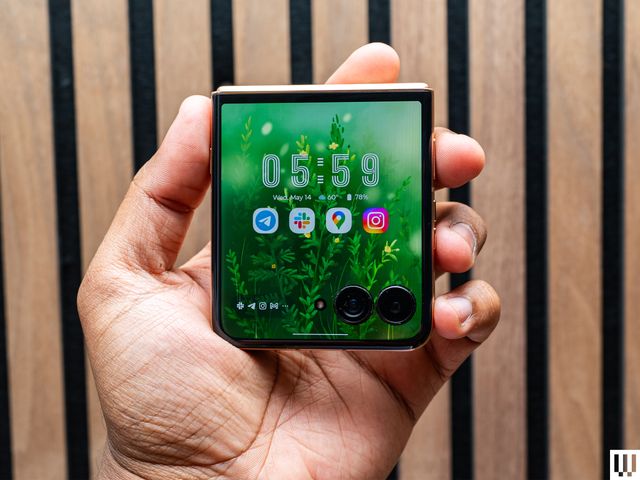
The folding smartphone market has spent the last three years wrestling with durability concerns and inflated price tags that often exceed flagship pricing by hundreds of dollars. Now, a significant price correction is finally entering the conversation, driven by aggressive retailer discounts on premium hardware that was previously considered a luxury indulgence. Amazon has slashed the price of Motorola’s 2025 Razr Ultra by $600, dropping the cost for the top-tier configuration to just $700. This reduction transforms the device from an expensive experiment into a compelling value proposition for users who demand high-end performance without the usual folding phone premium.
Why the Price Drop Changes Everything
The pricing shift represents more than a simple seasonal sale; it signals that foldable technology has moved past the early adoption phase where manufacturers could charge a "folding tax." For years, consumers hesitated to invest in devices with complex mechanical hinges and smaller internal screens, fearing rapid obsolescence or catastrophic failure. The current discount on the Razr Ultra removes the financial barrier that previously kept this category niche, allowing enthusiasts to test the viability of flip phones for daily driving at a price point comparable to standard slabs.
At $700 for the model equipped with 16 GB of RAM and 512 GB of storage, the device undercuts many competitors that offer half the specs for double the cost. This aggressive pricing strategy suggests that Motorola is prioritizing market share over immediate margin maximization, a bold move in a saturated Android ecosystem. The inclusion of the Qualcomm Snapdragon 8 Elite chip ensures that performance bottlenecks are non-existent, delivering snappy responsiveness and gaming capabilities that match traditional flagships.
Engineering Durability Meets Visual Innovation
Beyond the raw numbers, the 2025 revision addresses the primary pain points that plagued previous generations of Motorola flip phones. The industry's lingering anxiety regarding the hinge mechanism has been largely mitigated by the integration of a titanium-reinforced hinge plate. This structural upgrade promises to withstand years of daily folding and unfolding without the sagging or cracking issues that plagued earlier models, effectively extending the device's usable lifespan.
The visual and tactile experience also sees substantial improvements with the introduction of Pantone-certified colorways like Scarab, Cabaret, Rio Red, and Mountain Trail. These aren't just cosmetic tweaks; they utilize unique materials for the case to provide a distinct feel while maintaining structural integrity. The display technology further elevates the package, featuring an internal AMOLED screen capable of refreshing up to 165 Hz, which ensures buttery smooth scrolling and gaming performance.
Key features that define this new iteration include:
- Exterior Display: A 4-inch pOLED cover screen with a matching 165-Hz refresh rate allows for quick interactions without opening the device.
- Battery Capacity: An upgraded 4,700-mAh battery provides enough juice to last through a full day of heavy use, often retaining a quarter charge by evening.
- Charging Speeds: Users can leverage 68-watt wired charging or 30-watt wireless charging to replenish power rapidly when the need arises immediately.
- Durability Enhancements: The ceramic glass coating on the screens offers superior resistance against scratches and drops compared to standard Gorilla Glass.
Is This the Right Time to Buy?
The combination of these features creates a device that feels less like a prototype and more like a polished consumer product ready for mainstream adoption. The ability to check notifications, reply to messages, or take selfies using the external screen maintains the utility of a phone while preserving the compact form factor that defines the foldable experience. For those who value portability without sacrificing power, this configuration offers a rare balance in the current market landscape.
This limited-time offer from Amazon and Best Buy creates a unique buying window where the Razr Ultra competes directly with standard flagships that lack the versatility of a folding form factor. While the device remains a premium piece of hardware, the $600 discount erodes the traditional price differential that justified hesitation among potential buyers. The question is no longer whether the technology works or if it lasts; the question now shifts to whether the user prefers the unique utility of a flip phone over a standard slab at this specific price point.
For tech enthusiasts looking to upgrade, waiting for a newer model may result in paying full retail for incremental improvements that are unlikely to drastically change the core experience. Instead, acquiring the current generation at half its original price allows access to top-tier components like the Snapdragon 8 Elite and robust hinge engineering for a fraction of the entry cost. As the foldable market matures, these kinds of aggressive discounts will likely become the norm rather than the exception, signaling that the technology has finally found its footing in the broader smartphone ecosystem.