Why Moves of the Diamond Hand is Set to Dominate 2027's RPG Landscape
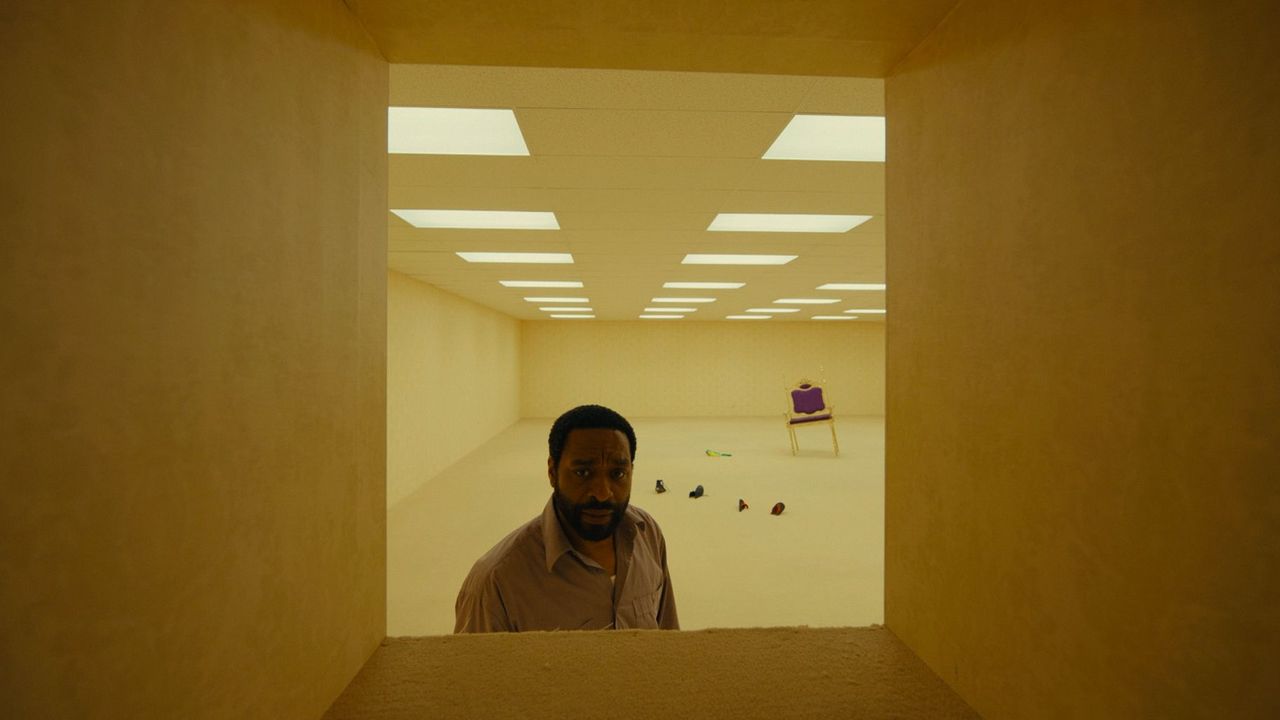
Moves of the Diamond Hand has officially arrived in early access on April 13, and while it occupies a strange emotional space for reviewers, its potential as one of 2027's best RPGs is undeniable. This title stands apart from everything else currently on the market, offering a phenomenal experience that already boasts a greater volume of content than the creator's entire previous catalog combined. It captures the chaotic, heartwarming sensibility of a 2002 Adult Swim show you stumbled upon at 3 AM, blending surreal noir with genuine emotional depth.
However, diving into an unfinished product is a gamble for many, and PCG staff writer Morgan Park noted in his review of New Blood's Gloomwood years ago that it can be too good to play unfinished. Yet, for those who prioritize adventure games or "walk 'n talk" RPGs like Disco Elysium, skipping this title is a harder sell. If you are less bothered by the occasional "pardon our mess" sign in development and more interested in unique mechanics, Moves of the Diamond Hand becomes an instant no-brainer recommendation for your library.
A Surreal Noir Metropolis with Dice-Driven Mechanics
The game takes place in Off-Peak City, a surreal metropolis ruled by secret societies and at least one evil megacorp. Here, blue-skinned DJs, cloned jazz saxophonists, and animal-man chimeras coexist in a world where clones cannot vote until the city prepares to elect its first clone mayor—a copy of a beloved politician from 100 years ago. The narrative is driven by creator Cosmo D, who crafts RPGs with more plot and heart than Xavier Renegade Angel, resulting in a universe where you might sing a sea shanty to a cloned fish to earn trust or campaign for an airhead hippy jock rival.
Moves of the Diamond Hand builds upon the foundation laid by 2022's Betrayal at Club Low, transforming that dense single environment into a mini open world reminiscent of Deus Ex hubs or Disco Elysium's Martinaise district. The gameplay loop centers on two major pillars:
- Dice Physics: Unlike other titles, the game features incredibly satisfying screens where skill checks play out with physics-simulated dice, creating a tactile experience that feels like a tabletop one-shot.
- Character Building: You level up individual faces of your skill dice and acquire permanent or limited-use augment dice to modify rolls, making character progression feel akin to a deckbuilder but for dice.
The economy in this city is in shambles, prompting you to run away and join "Circus X," an experimental art collective with political leanings rather than a traditional circus. To impress the group and secure your place, you must complete quests tied to specific skills: cooking, deception, music, observation, physique, wisdom, and wit. The stakes rise as the city's mayoral race unfolds, offering an open-ended election sidequest where you can support a grindset prosecutor, a slacker gourmand/rock climber, or even the clone mayor himself.
Stealth and Failure Systems That Redefine Tension
While stealth systems often frustrate players, Moves of the Diamond Hand introduces a light stealth mechanic that manages to work without causing major headaches. The game features restricted areas with mandatory objectives, optional collectibles, and various creatures patrolling the grounds, such as lobstermen, eyeball lions, bird boys, or classic private security. These zones also include hiding spots, though entering them applies a negative debuff to your next roll, adding a layer of risk to exploration.
If you are caught by a guard, the game offers a unique escape route: you can always attempt a difficult roll to be sent on your way with no further consequences. This allows for creative solutions that fit your character build; for instance, even a cooking and music-obsessed "wimp" could finagle a physique check against a lobsterman to instill the fear of Neptune in it. Once intimidated, the creature will sheepishly ask you to leave without inflicting health damage or skill debuffs as usual.
The game also excels at handling failure gracefully, removing the urge for players to save scum since most rolls can be attempted indefinitely. When a check fails, the penalty is typically a debuff die added to your next roll rather than a hard lockout. For example, failing a deception check to pickpocket someone might result in an "ashamed" die that lowers future rolls or deals psychic damage. This system ensures that failure feels like part of the narrative journey rather than a punitive game-over state.
Roguelike Elements and Strategic Skill Management
In a bold move, Cosmo D dips into roguelike territory for specific segments of the gameplay, introducing sequences of rolls with escalating challenges and rewards. These high-stakes scenarios occur when you are busking for tips at a nightclub or debating on behalf of your chosen candidate during the election. Unlike standard skill checks, these moments add heat to the experience, particularly in musical challenges that require resource management.
During these performances, you must cycle through all available skills to impress the crowd before you can reuse old material again. This forces players to strategically deploy their weaker skills when they have the right augment dice equipped to ensure a win, or to sacrifice a failed roll by having enough space to absorb the consequences without derailing the entire sequence. Whether it's proving your worth in Circus X or influencing the mayoral race through public debate, these mechanics add a fresh layer of depth that keeps the gameplay loop dynamic and engaging throughout the early access journey.