My full guide to Pragmata after spending 18 hours shepherding my space daughter
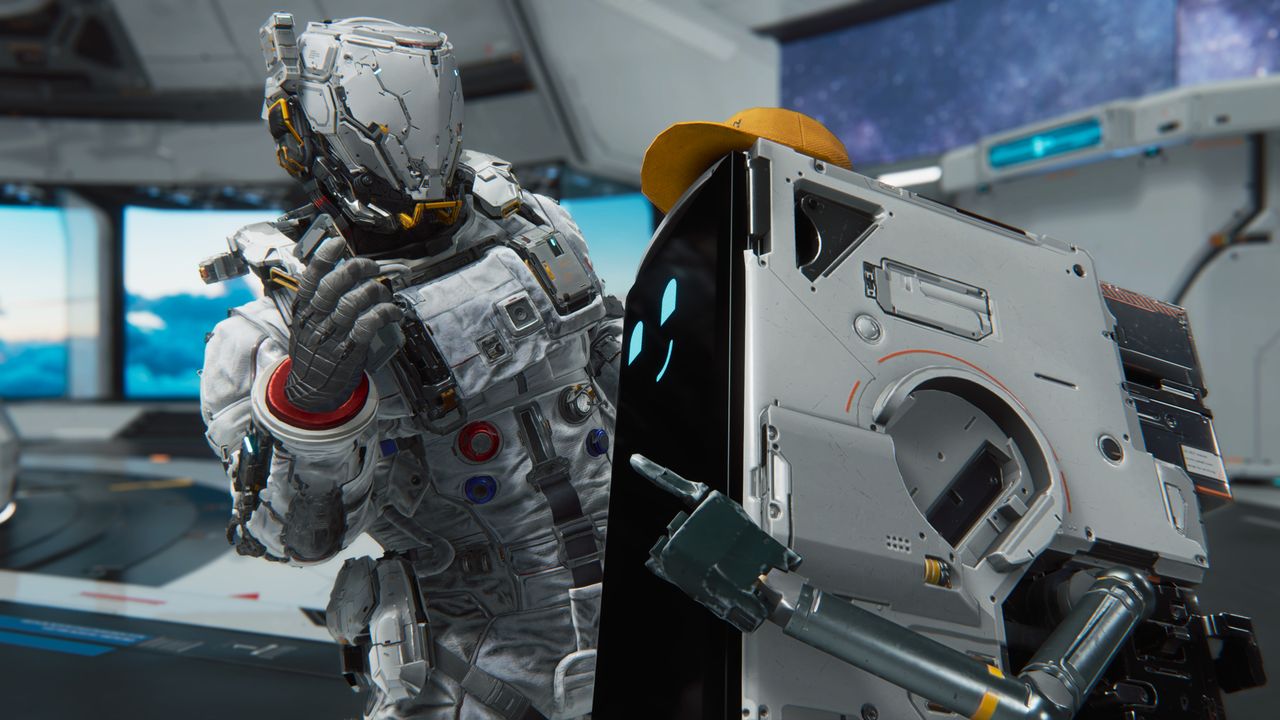
Pragmata is a weird game that feels like it was pulled from two decades ago while simultaneously breaking new ground. After spending 18 hours shepherding my space daughter, I’ve found that its level design leans heavily on linear progression early on, yet it bombards players with an overwhelming variety of overly complicated currencies and activities. The game awkwardly smashes together elements from odd genres, creating a third-person shooter where your guns do surprisingly little damage on their own. To succeed, you must rely on hacking mechanics to truly unlock the potential of your high-tech arsenal against enemies and bosses.
Mastering the Hacking Grid and Diana's Powers
The core combat loop revolves around your AI companion, Diana, who allows you to hack enemies rather than just shooting them. You look at an enemy and hold the aim button to summon a grid on the right side of your screen, where the real strategy lies. Your goal is to create a path from your starting point to a green tile by holding Alt (or using face buttons on a controller) to move through the interface.
Hacking an enemy massively increases your damage for a short duration, marking them as "OPEN" and often revealing weak spots essential for defeating bosses. After beating the first main boss, you unlock Diana's Overdrive Protocol, an ultimate ability that immobilizes OPEN enemies and deals significant damage. You should always hack an enemy before dealing direct damage to maximize efficiency in both standard encounters and chapter-closing boss fights.
The grid contains several distinct tile types that dictate your hacking strategy:
- Blue Tiles: Create paths through these before hitting the green tile to increase hack power; later, blue arrows extend OPEN duration while explosive ones boost damage.
- Yellow Tiles: These are consumable modules like Decode or Multihack; passing through them consumes a charge to buff yourself or debuff enemies, with longer effects for multiple identical tiles.
- Purple Tiles: Hitting these enables a Critical Shot for massive damage output against the target.
- White Triangles & Red Signs: White triangles are obstacles you must navigate around, while red warning signs will damage you and disrupt your hack if touched.
- Static: Some tiles feature digital static that slows your hack speed; use Diana's Cleanse ability to remove the dead filament corrupting them.
Building Your Loadout and Surviving the Solar Panel Plants
Pragmata’s weapon system feels awkward at first, forcing you to carry four distinct guns separated into specific categories. Three of these are essentially limited-use consumables that require careful management or replacement via battle pick-ups:
- Primary Unit (White): Your basic pistol or assault rifle with infinite ammo that recharges when not firing.
- Attack Unit (Red): Offensive powerhouses like shotguns and railguns dealing massive damage but running out of shots quickly.
- Tactical Unit (Green): Strategic crowd-control tools such as traps and grenade launchers with limited ammunition.
- Defense Unit (Blue): Utility items including clones or shields for survivability.
You will unlock new weapons through the main story, often finding replacements as battle pick-ups during combat to restock ammo or swap gear entirely. However, be warned: using an Escape Hatch checkpoint removes any weapon and hacking modules you have collected in that run. When you leave the Shelter to return to action, you start with your default loadout again, though this can be upgraded at the Unit Printer.
For example, you can purchase specialized weapons like the Shockwave or Stasis Net at the Unit Printer to add them to your starting loadout for future runs. Keep in mind these purchased items still have limited ammo, so you must remain vigilant for replacements on the battlefield. You can also modify your loadout at the Tram Terminal before selecting a location to ensure you are prepared for specific challenges.
Progression and Resource Management
Survival in Pragmata requires strict resource management since there is no passive healing between fights. Instead, Hugh must use Repair Canisters to patch up his suit, functioning as limited consumables similar to Estus Flasks in Dark Souls games. Increasing your Repair Cannister storage capacity should be a top priority for any player looking to survive the harsh environments.
You can find more Repair Cannisters by interacting with red terminals hidden around the map or by completing tasks on the Trainee Board in the Cabin's Stamp Club, which unlocks halfway through the first area, the Solar Panel Plants. While Escape Hatches act as checkpoints that send you back to the hub (the Shelter), they rarely force a full backtrack of repopulated areas like traditional Souls games do. Unlike those titles, you lose no resources upon death, meaning the "banking" implication of finding a Hatch is largely a narrative red herring.
To increase your power in Pragmata, there are five main progression paths to explore:
- Acquire new weapons through the main story milestones.
- Upgrade your default loadout at the Unit Printer in the Shelter.
- Expand your Repair Canister capacity by finding hidden terminals and completing Stamp Club tasks.
- Master hacking grids to maximize damage output and unlock Critical Shots.
- Utilize Diana's Overdrive Protocol effectively during boss encounters to control the flow of battle.
By understanding these mechanics, you can navigate the linear yet complex world of Pragmata with confidence. Whether you are shepherding your space daughter through the Solar Panel Plants or taking on elite bosses, mastering the balance between gunplay and hacking is key to survival.