Doki Doki Literature Club Removed from Android Amidst Google Play Store Policy Dispute
Google has officially removed the nine-year-old cult visual novel Doki Doki Literature Club from its Google Play Store, citing violations of its Terms of Service regarding sensitive content. The game, which was surprise-released on the storefront in December after a successful initial PC launch in 2017, joins other platforms like Nintendo Switch, PlayStation, and iOS where it remains available. This abrupt removal has sparked discussion about how mobile platforms handle depiction of sensitive themes compared to their PC counterparts, even for titles that have been celebrated for years.
The Shocking Evolution from Whimsy to Psychological Horror
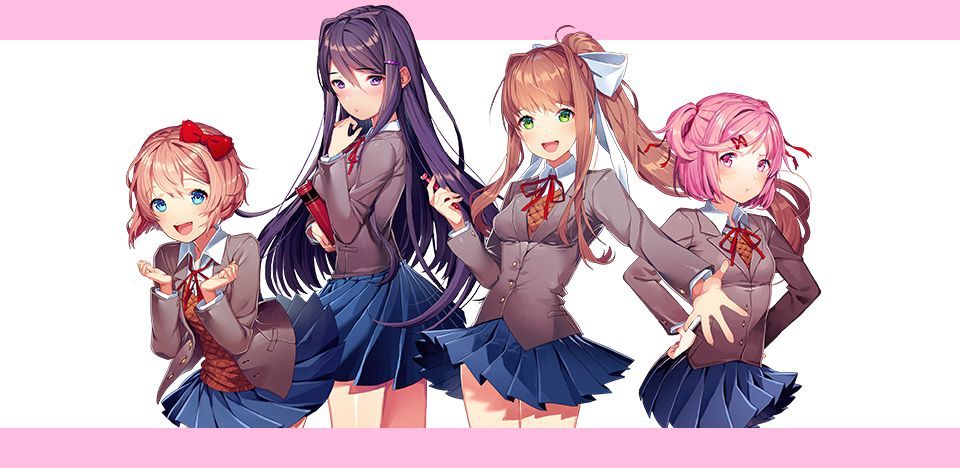
Upon its release nine years ago, the game became a global phenomenon, initially appearing to be a standard Japanese-style visual novel about a teenage boy joining a high school literature club "full of cute girls." Players soon found themselves interacting with fawning members, engaging in confiding conversations, and playing a minigame focused on composing overwrought high school poetry. However, Necessary spoilers follow: the narrative gradually takes a darker turn when one of the club members falls head-over-heels for the protagonist.
The tone continues to sour as cliche visual novel trappings erode, giving way to potent psychological horror dealing with depression and suicide. The game uses the familiar whimsy of Japanese visual novels—despite creator Dan Salvato being American—to couch a very unorthodox approach to its themes. While best known at release for the bracing tonal u-turn it takes, its popularity has endured well beyond the initial shock value.
Community Response and Future Distribution Plans
In response to the removal, Dan Salvato and publisher Serenity Forge released a joint statement on Bluesky emphasizing the game's positive impact on mental health awareness. The statement highlighted that:
- DDLC is widely celebrated for portraying mental health in a way that meaningfully connects with players around the world.
- It helps users feel heard, understood, and less alone on their journey through the power of fiction.
- Salvato remains grateful for the ability to make a meaningful difference and inspire others to create things that reach those in need of connection.
The publishers confirmed they are continuing to do everything possible to find a path forward for getting Doki Doki Literature Club reinstated on the Google Play Store. As part of their strategy, the publisher is also looking at "alternate methods of distribution" for Android users who can no longer access it via the official store.
Google's Content Policies and the Debate Over "Promotion"
The removal centers on Google Play Store policies regarding inappropriate content, specifically restrictions on the depiction of suicide. The guidelines state that apps promoting self-harm, suicide, eating disorders, or other acts where serious injury may result are not permitted. While Doki Doki Literature Club certainly does not explicitly "promote" suicide, its marketing and narrative approach might be less direct about denouncing it than Google feels comfortable with.
The debate over whether the game violates these policies echoes earlier discussions from 2017, when Steven T. Wright explained the title's unusual appeal in a feature for GLI7CH. Wright noted that "While the shock value certainly adds to the experience, it rarely comes off as crass or exploitative." He further observed that Doki Doki Literature Club "takes great care to treat issues like depression and anxiety with more tact and delicacy than its apparent inspirations, like the infamous School Days."
Despite the current unavailability on Android, the game continues to maintain a strong presence elsewhere. On Steam alone, it boasts over 126,000 "overwhelmingly positive" reviews, with 1,500 of those posted recently. This enduring legacy suggests that while the depiction of sensitive themes has led to its removal from one platform, the community's appreciation for its unique narrative approach remains undiminished.