Nvidia has just announced its financial results for the previous quarter, and as expected, the GPU behemoth is performing exceptionally well. However, while the company projects relentless growth, the reality on the ground might be more complex.
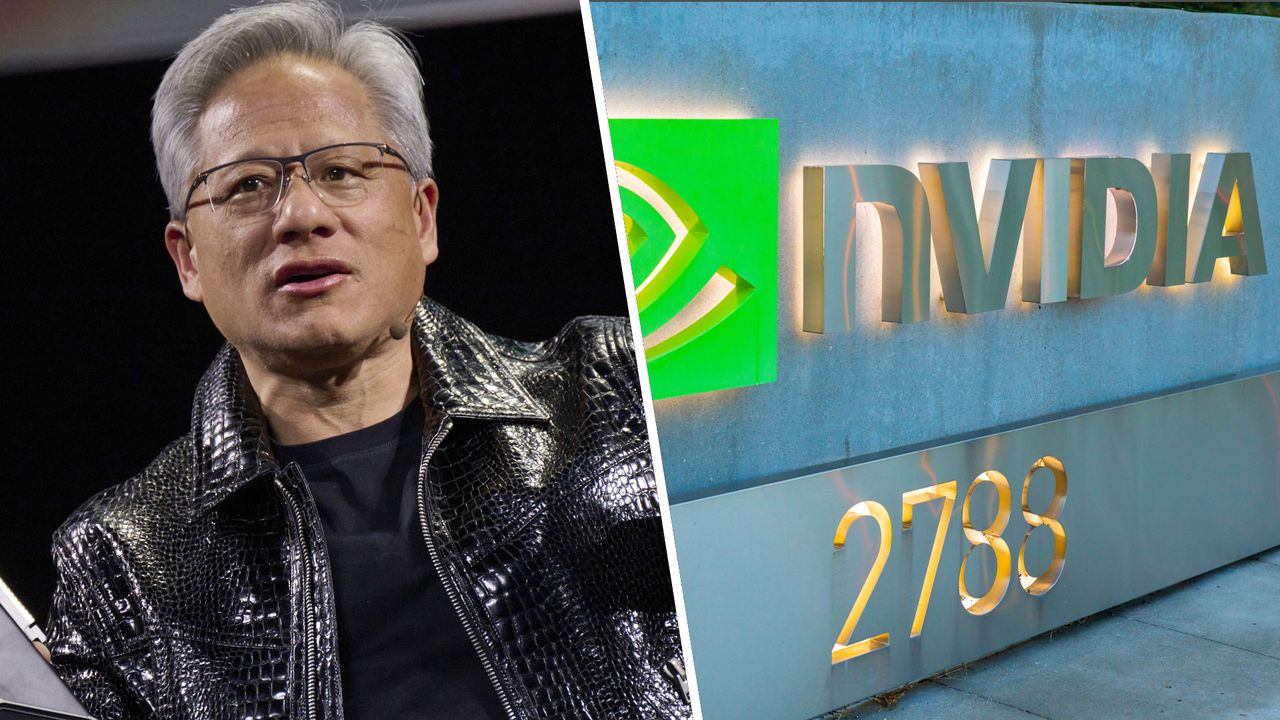
The company is almost entirely AI-focused these days. If you are a PC gamer, this shift might feel like a loss of focus, but for investors, it is a massive opportunity. During its earnings call, Nvidia EVP and CFO Colette Kress highlighted the company's bullish stance:
"Demand for AI infrastructure continues to expand at an unprecedented pace. The build out of AI factories is accelerating. The value of NVIDIA AI infrastructure is rising."
This surge in demand has allowed Nvidia to significantly increase its pricing power. The price of renting an H100 has risen 20% year-to-date, while A100 cloud pricing is up nearly 15%. The company notes that customers are generating profitable revenue beyond the depreciable life of their GPUs, thanks to the versatility of their platform and continuous performance enhancements.
The Financials Behind the Hype
Nvidia has split its operations into two broad segments for financial reporting: data center and edge computing.
- Data Center: Includes hyperscale and "ACIE" (AI clouds, industrial, and enterprise).
- Edge Computing: Covers devices for agentic and physical AI, as well as gaming PCs and consoles.
The previous quarter boasted an 85% year-on-year revenue increase, reaching $82 billion. Nvidia expects this growth to continue, driven by its confidence in ongoing AI demand. CEO Jensen Huang stated regarding hyperscale capital expenditure (CapEx):
"There are trillion[s of] dollars this year; I have every expectation it is gonna grow from here."
While Nvidia aims to keep investor enthusiasm high, any hint that the company’s rapid growth is leveling out could cause a dip in its share price. Therefore, it is crucial to look beyond the corporate narrative to understand the true state of the industry.
Expert Analysis: A Market at a Crossroads
To gauge the future of AI infrastructure demand, I spoke with supply chain experts who offered mixed opinions. The divergence in their views suggests that Nvidia’s optimism may not reflect the entire market landscape.
The Case for a "Soft Landing"
Jonathan Colehower, Managing Director of Global Operations & Supply Chain Practice at UST, expressed skepticism about the sustainability of current growth rates. He believes we are entering a period of normalization.
- Flattening Demand: Colehower predicts a flattening of AI demand, with market relief expected before the end of 2026.
- Regional Pushback: He noted that local residents in the US are pushing back against data center construction, forcing companies to find alternative locations.
- Tempered Investments: Many companies have made grand promises regarding future AI investments. Colehower argues these will be tempered over the next six months as the industry matures.
"I think that the past six months have been kind of a heyday on AI and datacentres, and we're going to see that begin to slow," Colehower explained. He characterized the upcoming shift not as a crash, but as a "soft landing" where the economy adjusts to new realities.
The Case for Continued Expansion
Conversely, Derek Lemke, Senior Vice President of Product Level Intelligence at Exiger, sees no signs of slowing down. He points to broad adoption across major enterprises as a key driver of sustained demand.
- Fortune 500 Adoption: Lemke observes widespread AI adoption across Fortune 500 companies, driving demand for compute and GPUs.
- Resource Strain: This demand extends to upstream materials, including energy and water, which are critical for powering AI facilities.
- Regionalization: There is a shift toward regionalization and localization of AI centers to support high energy and technical infrastructure needs.
"I don't see [demand] slowing down," Lemke stated. He emphasizes that the industry is seeing strategic investments in the US and other regions to support the high-energy requirements of these facilities.
Conclusion: Navigating Uncertainty in the AI Market
It is difficult to predict the future of any nascent industry with certainty. The fact that respected experts hold such different views on the trajectory of AI infrastructure demand should give us pause.
While Nvidia remains bullish, citing unprecedented growth and rising prices, the market may be more fragile than the company suggests. As one expert warns of a "soft landing" and another predicts continued expansion, investors and industry observers should remain cautious. Nvidia’s predictions are not set in stone, and the reality of AI infrastructure demand may evolve in ways that differ significantly from the company’s optimistic outlook.