AMD Accelerates 2 nm Production While Intel Maps Future Nodes
AMD has officially announced that its first 2 nm CPUs are now entering production, signaling a major leap in semiconductor manufacturing capabilities. Although the initial chip is a server processor, this development sets a critical precedent for the next generation of desktop and mobile processors. Simultaneously, Intel has provided its first public glimpse into a long-term roadmap, teasing advanced 10A and 7A chip nodes that suggest a renewed commitment to leading-edge fabrication.
Venice and Zen 6 Arrive on TSMC’s N2 Node
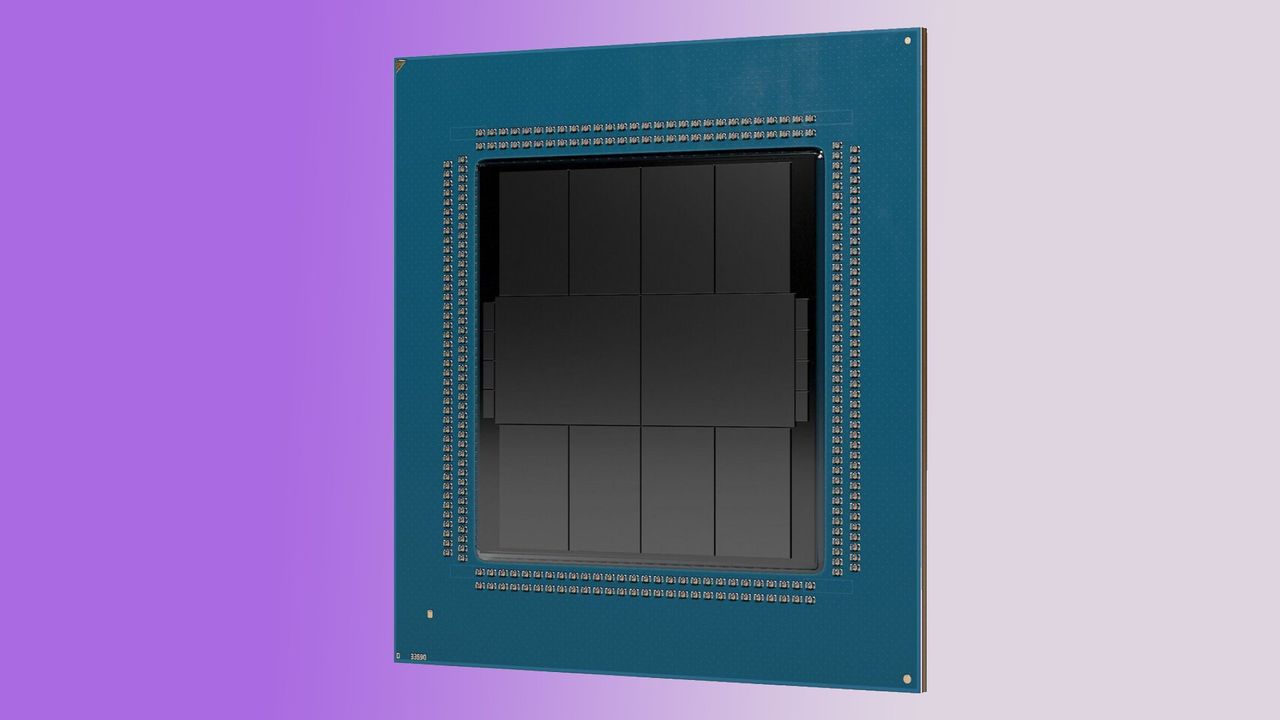
The chip in question is the next-generation AMD EPYC processor, codenamed Venice. According to AMD’s statement, Venice is currently ramping production in Taiwan using TSMC’s advanced 2 nm process technology. Future manufacturing capacity will also be established at TSMC’s fabrication facility in Arizona, ensuring a diversified supply chain for high-volume output.
Venice is built on AMD’s next-generation Zen 6 CPU architecture. This architecture is significant because it will not only power server racks but also underpin AMD’s next-generation desktop CPU family, codenamed Olympic Ridge and potentially branded as the Ryzen 10000 Series.
Jumping to TSMC’s 2 nm node, branded as N2, represents a strategic acceleration. Most of AMD’s current processors, including the popular Ryzen 9000 series, are built on TSMC’s N5 node. Historically, AMD has only made limited use of N3 (3 nm). The move to N2 indicates that AMD is largely skipping the broader commercial adoption of N3 in favor of the more advanced N2 process, a bold gamble on efficiency and performance density.
What N2 Silicon Means for Hardware Performance
It is important to note that there are currently no commercially available chips built on TSMC’s N2 silicon for the general PC market. Apple is expected to announce products using this process node in September, primarily for the iPhone 18. However, AMD’s aggressive wholesale move to N2 suggests that server and high-end desktop workloads are prioritizing early access to this technology.
The architectural benefits of N2 silicon are substantial. Key anticipated improvements include:
- Increased Core Density: A move to 12 cores in each CPU chiplet (Core Complex Die or CCD), up from the current eight cores.
- Gaming Optimization: The potential for 12-core gaming-optimized CPUs utilizing 3D V-Cache technology for enhanced frame rates and responsiveness.
- High-End Multithreading: The possibility of 24-core dual-die models designed for heavily multithreaded applications, such as video rendering, scientific computing, and virtualization.
Zen 6 Launch Timeline and Desktop Availability
While the production ramp has begun, AMD has confirmed that Zen 6 architecture will officially launch in 2026. Current indications suggest a release window in late 2026. However, AMD has not been entirely transparent about which specific models will be available at launch.
The prevailing expectation is that 2026 will see the release of EPYC server processors first, with desktop models following in early 2027. This staggered approach allows AMD to stabilize the new N2 process before exposing it to the broader consumer market.
Intel’s Long-Term Roadmap: 10A and 7A Nodes
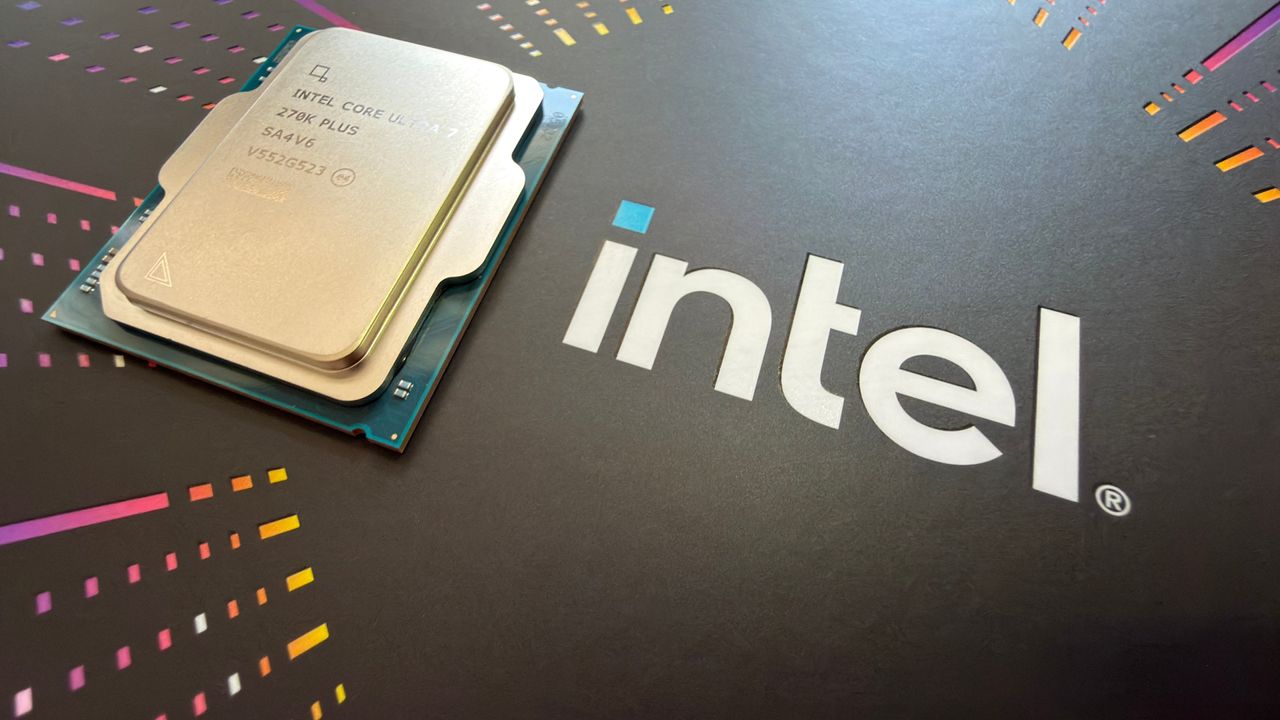
As AMD advances with 2 nm technology, Intel is also outlining its future trajectory. Intel is currently selling Panther Lake mobile CPUs using its 18A node, which remains the most advanced silicon available in the PC market today. The company is also actively promoting its next-gen 14A node.
However, a significant shift occurred at the recent J.P. Morgan annual tech conference. Intel CEO Lip-Bu Tan teased even more advanced production nodes, marking the first public mention of possible 10A and 7A nodes from the company.
Responding to questions about Intel’s customer foundry business, Tan stated: "I'm starting to look at the 10A, 7A, the roadmap. People don't go to you for just one node. They're looking for the roadmap for the future."
A Renewed Commitment to Moore’s Law
This disclosure represents a major turnaround for Intel’s manufacturing strategy. Intel’s 18A-based Panther Lake CPUs are currently the most advanced silicon you can get in a PC, but the timeline for future nodes is critical. Tan confirmed that Intel’s 14A node will not enter volume production until 2029.
Despite this extended timeline, the mere fact that Intel’s leadership is discussing technology so far out is a significant signal. It wasn’t long ago that Tan was threatening to cancel 14A, with the implied threat that Intel might exit the chip manufacturing game altogether. By outlining a roadmap that extends to 7A, Intel is reaffirming its commitment to being a leading foundry.
The Future of Semiconductor Progress
While the traditional cadence of Moore’s Law—involving the doubling of transistor density and halving of costs every two years—is arguably dead, the industry is still making major progress. AMD’s move to 2 nm CPUs and Intel’s teasing of 10A and 7A chip roadmaps indicate that the era of stagnation is over.
Both giants are plotting a course for highly advanced silicon for many years to come. With AMD N2 chips definitely coming and Intel planning a long-term roadmap, the broader progress of PC-based technology remains robust, even if the rules of engagement have changed.