Nvidia’s Quarterly Report: Gaming Gets Buried Under AI
It is becoming a familiar narrative for Nvidia investors and enthusiasts alike: another quarterly earnings report arrives, and the spotlight remains firmly fixed on artificial intelligence. In a move that surprised few, the company’s latest financial update effectively erased the gaming division from the main narrative, subsuming it entirely under an expanded AI segment.
While gaming hardware isn't technically gone from the company's focus, it has been reclassified. The once-distinct gaming category is now buried within broader "edge computing" and data center metrics, reflecting a strategic pivot where consumer graphics are treated as a minor footnote to the AI juggernaut.
The New Corporate Taxonomy: Gaming as an Afterthought
CFO Colette Kress outlined the company’s streamlined market platforms during the earnings call, highlighting two primary pillars: data center and edge computing. Under this new framework, gaming hardware is no longer a standalone headline but is instead categorized as part of the "edge computing" ecosystem.
Kress described this segment as highlighting devices for agentic and physical AI, which includes a laundry list of consumer and industrial hardware:
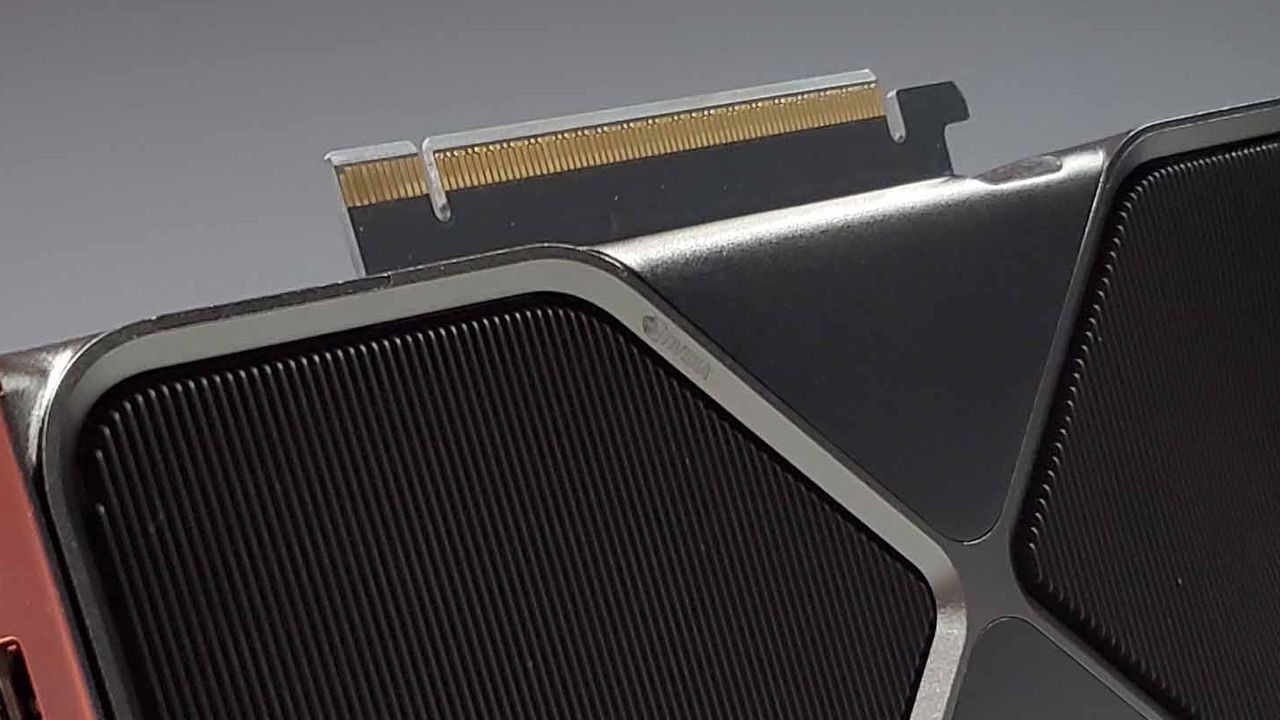
- PCs: Gaming graphics cards are now implicitly grouped here.
- Gaming Consoles: Likely referring to devices like the Nintendo Switch 2.
- Workstations: Professional-grade AI tools.
- AI RAN Base Stations & Robotics: Industrial applications.
- Automotive: Self-driving and in-car AI systems.
This reclassification means that graphics cards for gaming no longer receive specific mention in the primary revenue breakdown. Instead, they are presumed to make up just a small fraction of the edge computing revenue figure.
Revenue Realities: Data Center Dominance
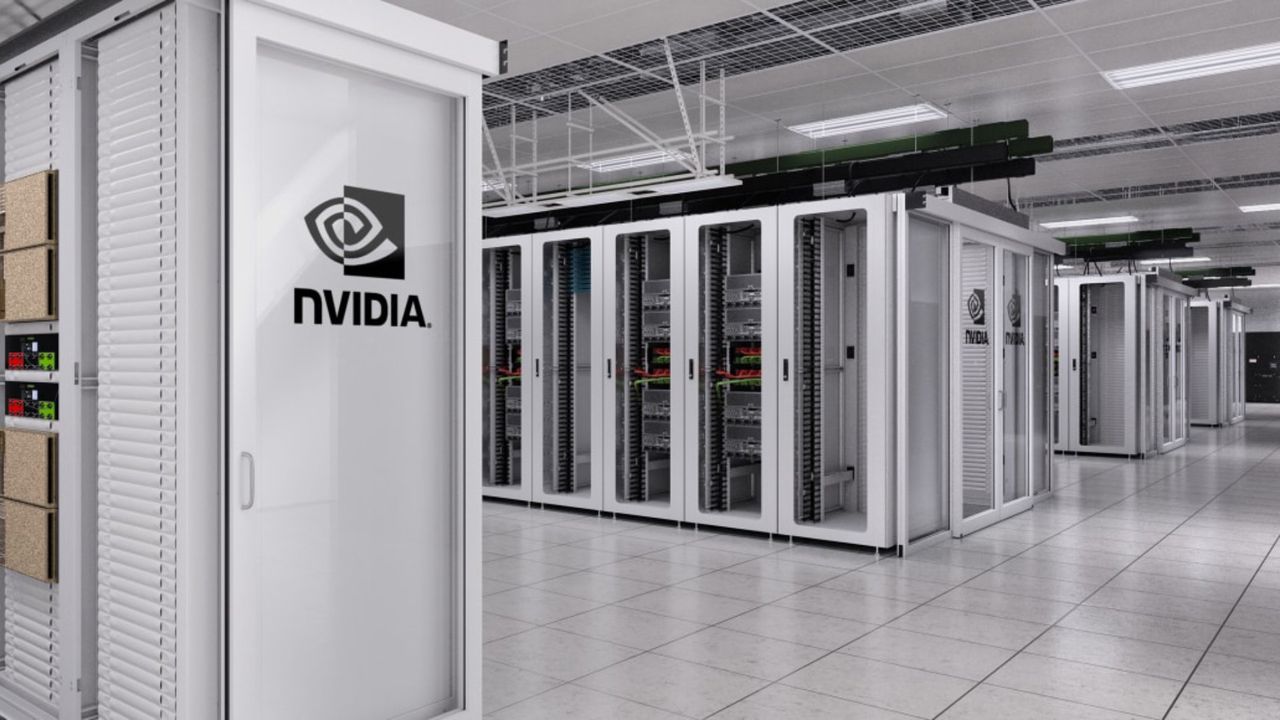
The financial data supports Nvidia’s strategic shift. The company reported a record $75.2 billion in data center revenue, a figure that dwarfs the $6.4 billion generated by edge computing—a segment that saw a 29% year-over-year increase.
For an investor-focused report, the logic is clear. With GPUs for PC gamers contributing only a sliver to the edge computing total, Nvidia has little incentive to highlight them when the primary goal is to showcase growth to the City. The narrative is singular: AI monies.
What This Means for the Future of PC Gaming
Nvidia’s EVP and CFO, Colette Kress, stated that "demand for AI infrastructure continues to expand at an unprecedented pace." This comment suggests that the company does not expect this trend to reverse anytime soon. The "AI train" is moving at full speed, and Nvidia is ensuring all resources are aligned with it.
While this makes sense from a strict business perspective, it raises concerns for the gaming community. Being a smaller part of the revenue pie does not mean Nvidia will abandon PC gaming, but it does suggest the division may receive less attention and innovation than it once did.
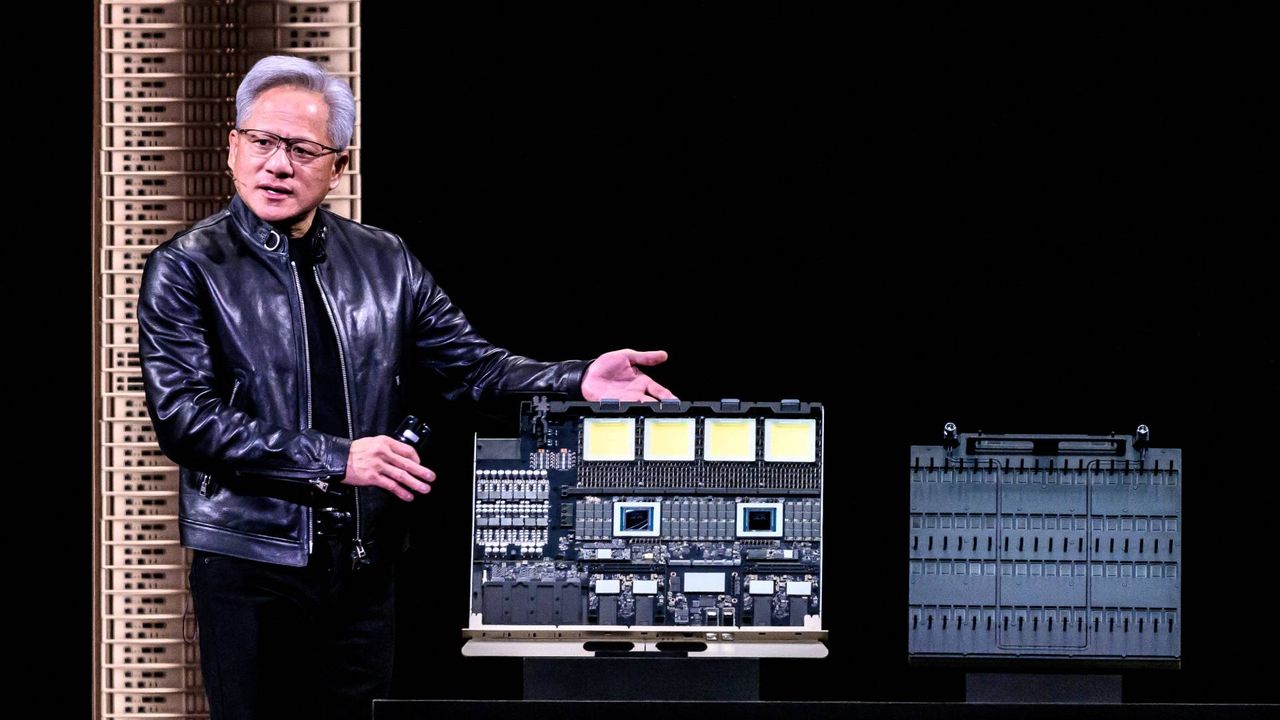
The fear among enthusiasts is that the PC gaming division will be left in the wake of AI acceleration. If recent developments like DLSS 5 are any indication of the speed at which Nvidia is prioritizing new technologies, fans may not hold their breath for significant gaming-focused updates in the near future. The message from Jensen Huang and the executive team is clear: Nvidia is an AI company first, and gaming is merely a component of its broader edge computing strategy.