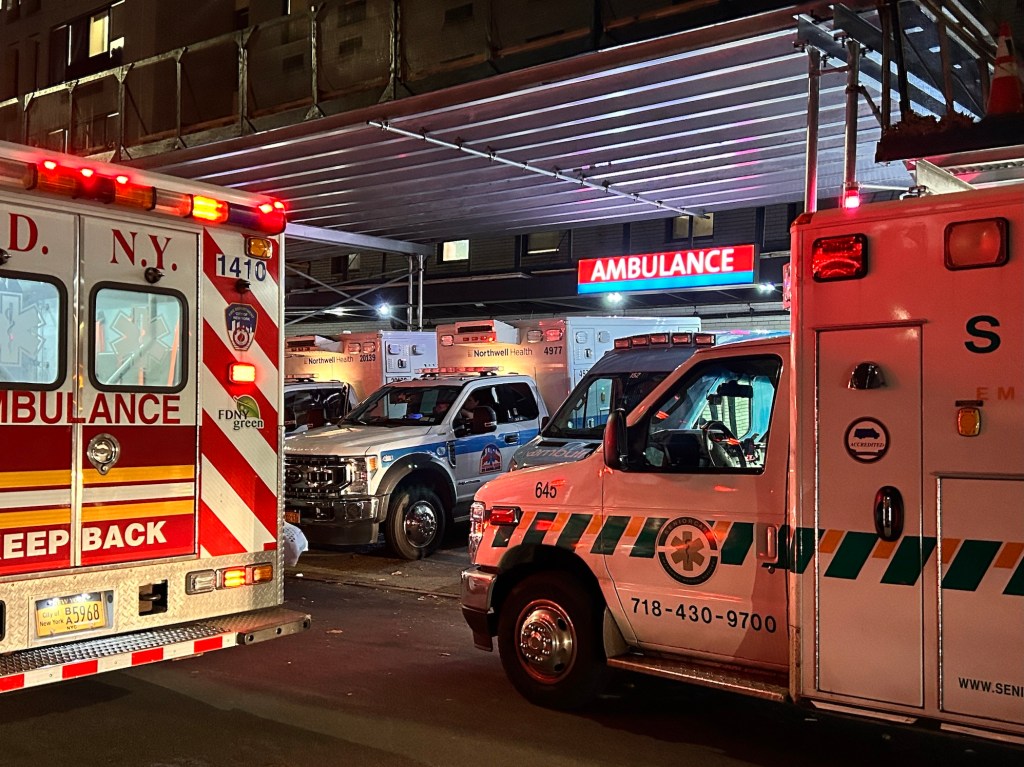
A massive security breach targeting NYC Health + Hospitals, the city's largest public healthcare provider, has compromised the sensitive information of at least 1.8 million individuals. This is no ordinary leak of contact details; the intrusion involved the theft of highly sensitive biometric data, including fingerprint scans, alongside detailed medical records. The sheer scale of this incident places it among the most significant healthcare-related data breaches in recent years.
How the NYC Health and Hospitals breach occurred
Preliminary investigations suggest that this systemic failure was not caused by a sophisticated zero-day exploit. Instead, the breach appears to have originated from a much more mundane point of failure: compromised credentials. Reports indicate that a single nurse’s login information was obtained by unauthorized actors, providing an initial entry point into the network.
Once inside the system, the attackers were able to move laterally, gaining access to deep layers of patient data. This movement suggests a lack of robust identity and access management (IAM) protocols and insufficient network micro-segmentation, which allowed a localized breach to escalate into a widespread catastrophe.
The stolen data provides a devastatingly complete profile for each victim, including:
- Full names and residential addresses
- Social Security numbers
- Detailed medical histories and diagnoses
- Biometric scans, specifically fingerprints used for identification
- Insurance information and billing details
The long-term risk of stolen medical data and fingerprints
The implications of this breach are uniquely troubling because of the nature of the stolen assets. While credit card numbers can be replaced, biometric data is permanent. A fingerprint is a lifelong identifier; once digitized and exfiltrated, victims cannot simply "reset" their biological markers. This creates a massive security risk for the 1.8 million people affected, as these scans could potentially be used to bypass authentication in other secure systems.
Furthermore, the theft of medical records presents a lifetime of risk. Unlike transient financial data, health information remains relevant forever. Attackers can leverage this data for several malicious purposes:
- Medical identity theft: Using stolen profiles to obtain services or prescriptions.
- Targeted phishing: Utilizing specific medical diagnoses to craft highly convincing scams.
- Dark web exploitation: Selling the intersection of biological identifiers and clinical history to high-value buyers.
Building systemic resilience in healthcare
This incident serves as a grim case study for municipal entities managing critical infrastructure. For organizations like NYC Health + Hospitals, protecting data requires more than just stronger firewalls; it requires a fundamental shift in cybersecurity hygiene.
To prevent future exposure, institutions must prioritize the following strategies:
- Strict Multi-Factor Authentication (MFA): Implementing MFA across all user levels to ensure a single compromised credential cannot grant access.
- Enhanced Network Segmentation: Ensuring that a breach in one department is contained and cannot migrate to sensitive patient databases.
- Anomalous Behavior Monitoring: Actively watching for unusual activity to catch lateral movement before it reaches critical data stores.
- Rigorous Access Auditing: Strictly enforcing the principle of least privilege through regular audits.
As healthcare undergoes a continuous digital transformation, the tension between accessibility and security will only grow. The NYC breach proves that even in high-stakes environments, the most significant threats often stem from the simplest vulnerabilities.