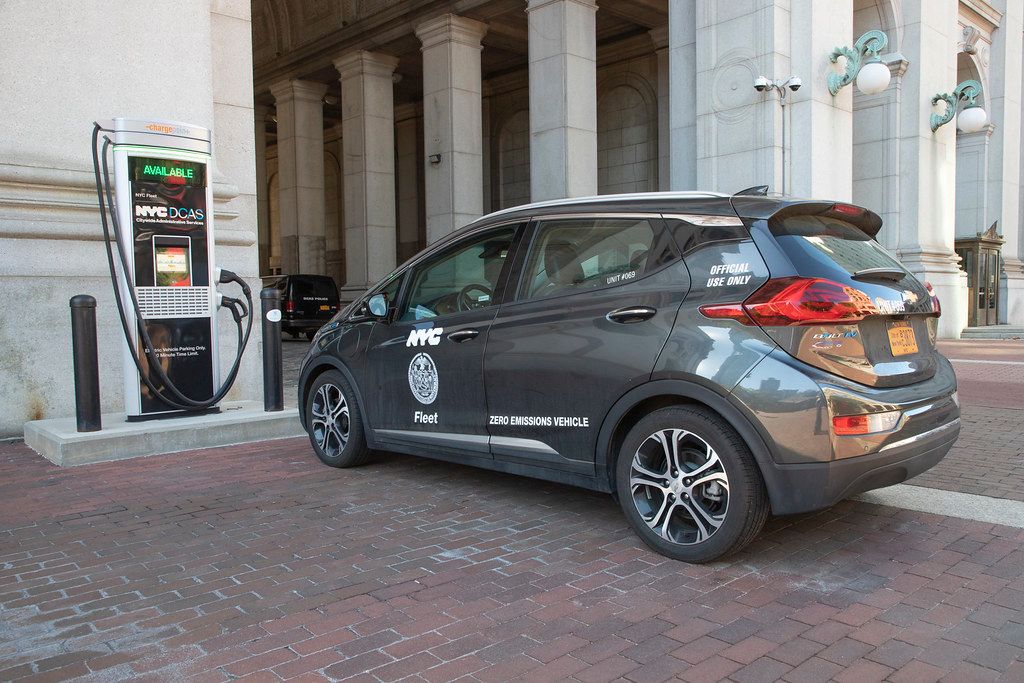
A massive coordinated effort between New York City and Los Angeles County signals a determined push for electric vehicle adoption across municipal fleets. By forming a powerful advocacy bloc, these two major metropolitan areas are stabilizing the transition away from internal combustion engines in public service vehicles, even as they face headwinds in the broader automotive market.
Forging Bicoastal Power Through Fleet Electrification
New York City and Los Angeles County are leveraging their distinct geographic and political power centers to create guaranteed demand signals for manufacturers. This collaboration is not merely about adopting personal vehicles; it concerns the backbone of urban infrastructure, including emergency services, waste management, and municipal transportation.
Both jurisdictions have set ambitious, distinct targets to guide this transition:
- New York City: Local mandates target full electrification across light and medium-duty municipal assets by 2035, with trucks following by 2038.
- Los Angeles County: The county has established a goal for complete fleet electrification by 2045, a monumental undertaking given its vast current vehicle inventory.
The combined purchasing might of these two entities aims to keep electric manufacturers focused on the public sector. Successfully realizing these goals requires more than just setting dates; it demands overcoming tangible supply-chain obstacles regarding specialized vehicle types and robust charging infrastructure planning.
Navigating Infrastructure Gaps for Municipal Fleets
The sheer scale of this transition presents several acute technical hurdles. Not every necessary public service vehicle has readily available, purpose-built electric alternatives from manufacturers. For example, specific models of fire department pumper trucks or heavy-duty snowplows needed in certain climates remain challenging to source in EV formats.
Furthermore, charging infrastructure remains a critical choke point. Successful implementation relies on more than just installing ports; it requires resilient power management planning to ensure continuous operation during grid stress. Key considerations for these massive rollouts include:
- Specialized Vehicle Requirements: Procuring EVs that meet precise municipal specifications, such as size and payload capacity, is a significant manufacturing hurdle.
- Grid Resilience: Developing robust backup and load-balancing strategies for charging depots is non-negotiable for sustained operations.
- Workforce Retraining: The human element is vital; maintenance crews must transition from fossil fuel mechanics to high-voltage EV specialists.
Beyond the Purchase Order: Operationalizing Electrification
The conversation around this partnership reveals that the greatest successes are found not just in the procurement phase, but in integrating EVs into daily operational workflows and managing public perception. Fleet managers recognize a strategic advantage in municipal adoption because their usage patterns are highly predictable.
Unlike private consumers who might hesitate due to range anxiety for long road trips, city fleets operate within defined service zones. This predictability allows for more efficient energy management and scheduling.
Anecdotal evidence suggests that once operational skepticism gives way to hands-on experience, enthusiasm builds rapidly among end-users. The financial incentives—reduced fueling costs and lower maintenance overhead compared to traditional engines—provide a compelling, bottom-line case for immediate adoption. However, this cost-saving calculus must be balanced against managing employee buy-in and adapting union protocols around new vehicle data streams.
The trajectory indicates that large government entities are acting as essential stabilizing forces in an industry undergoing rapid technological flux. The partnership between NYC and LA represents a sophisticated model of demand aggregation, effectively using governmental buying power to force stability upon manufacturers who need predictable, multi-year commitments. Should other major urban centers observe the synergy achieved by these two titans, their blueprint for aggressive, coordinated fleet decarbonization could become the next industry standard.