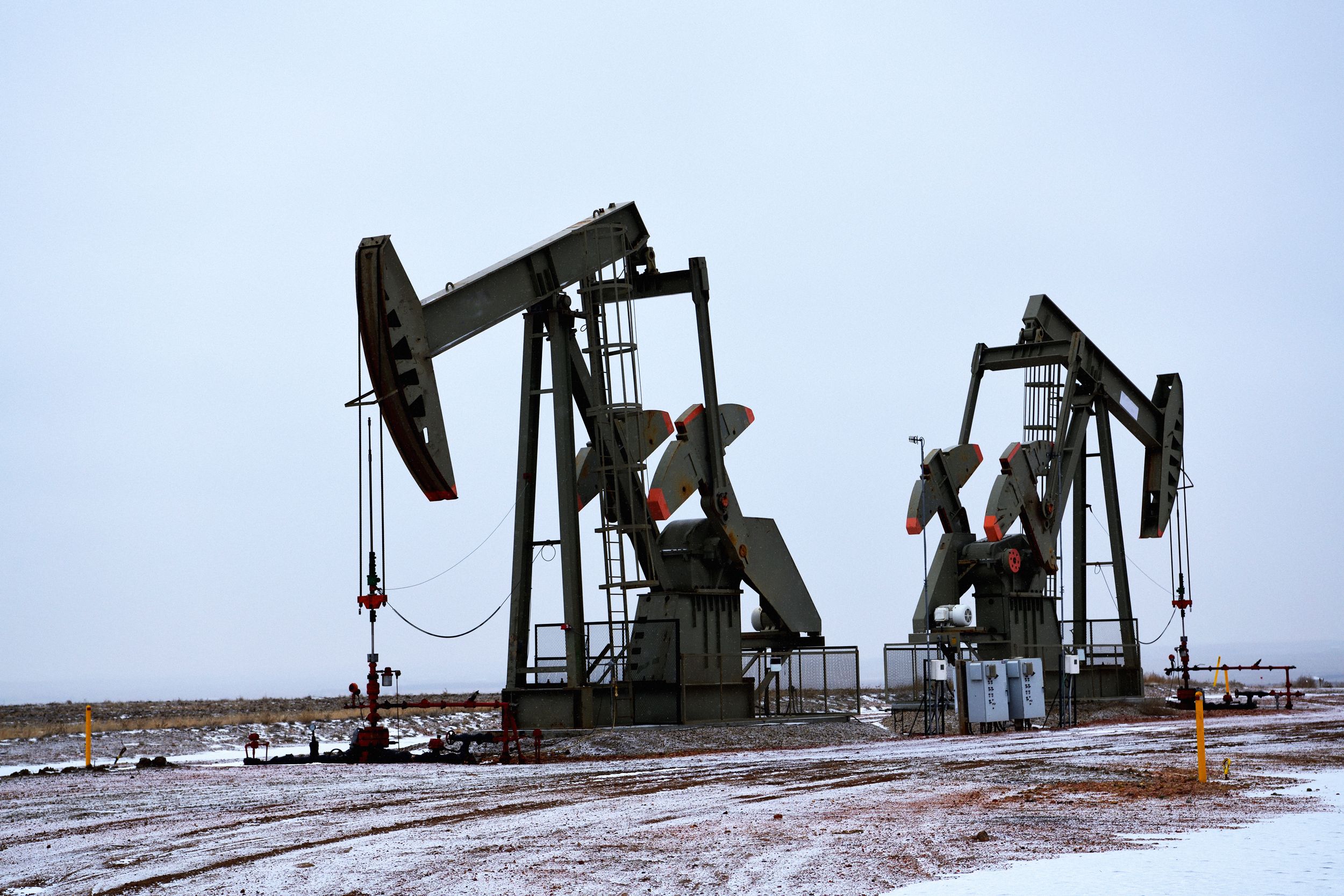
The hiss of steam rising from an old well’s surface evokes a visceral image of industrial legacy meeting modern necessity, as communities across the United States confront the dual challenge of abandoned infrastructure and urgent climate goals. Millions of disused oil and gas wells dot the landscape, many silent but still leaking methane or threatening groundwater—a hidden cost of decades past. The idea that these relics could be repurposed into clean energy installations is no longer speculative; it is an emerging frontier where engineering ingenuity meets environmental pragmatism.
Technical Foundations of Repurposing
- Geothermal systems convert subsurface heat into electricity or direct heating by circulating fluids through drilled wells.
- Key advantage: Existing wells reduce drilling expenses, as much of the infrastructure is already in place.
- Regulatory frameworks are being updated to streamline permits and safety checks for conversion projects.
Economic and Environmental Implications
States such as Oklahoma and Alabama have introduced legislation enabling oil companies and startups to retrofit wells for geothermal use, leveraging existing data from past exploration efforts. These projects aim to reduce emissions while providing reliable baseload power that complements intermittent renewables like wind and solar. However, challenges persist—low temperatures in many wells require advanced heat-exchange technology, and the economic viability depends on precise subsurface assessments and robust permitting processes.
Path Forward for Scalability
- Pilot programs: Projects in Oklahoma and Pennsylvania demonstrate proof-of-concept by supplying schools and greenhouses with geothermal heat.
- Policy support: Bipartisan backing reflects a broader strategy to decarbonize without abandoning infrastructure assets prematurely.
- Innovation priorities: Research into cost-effective materials, leak mitigation, and integration with existing power grids will determine whether conversion becomes mainstream.
The convergence of legacy assets and new energy demands underscores a fundamental shift in how societies view industrial decline—not as an endpoint but as a catalyst for reinvention. By embracing the technical and regulatory hurdles ahead, the United States may transform its oil-and-gas heritage into a cornerstone of sustainable energy systems, proving that even the most entrenched infrastructures can find relevance in tomorrow’s climate-conscious economy.