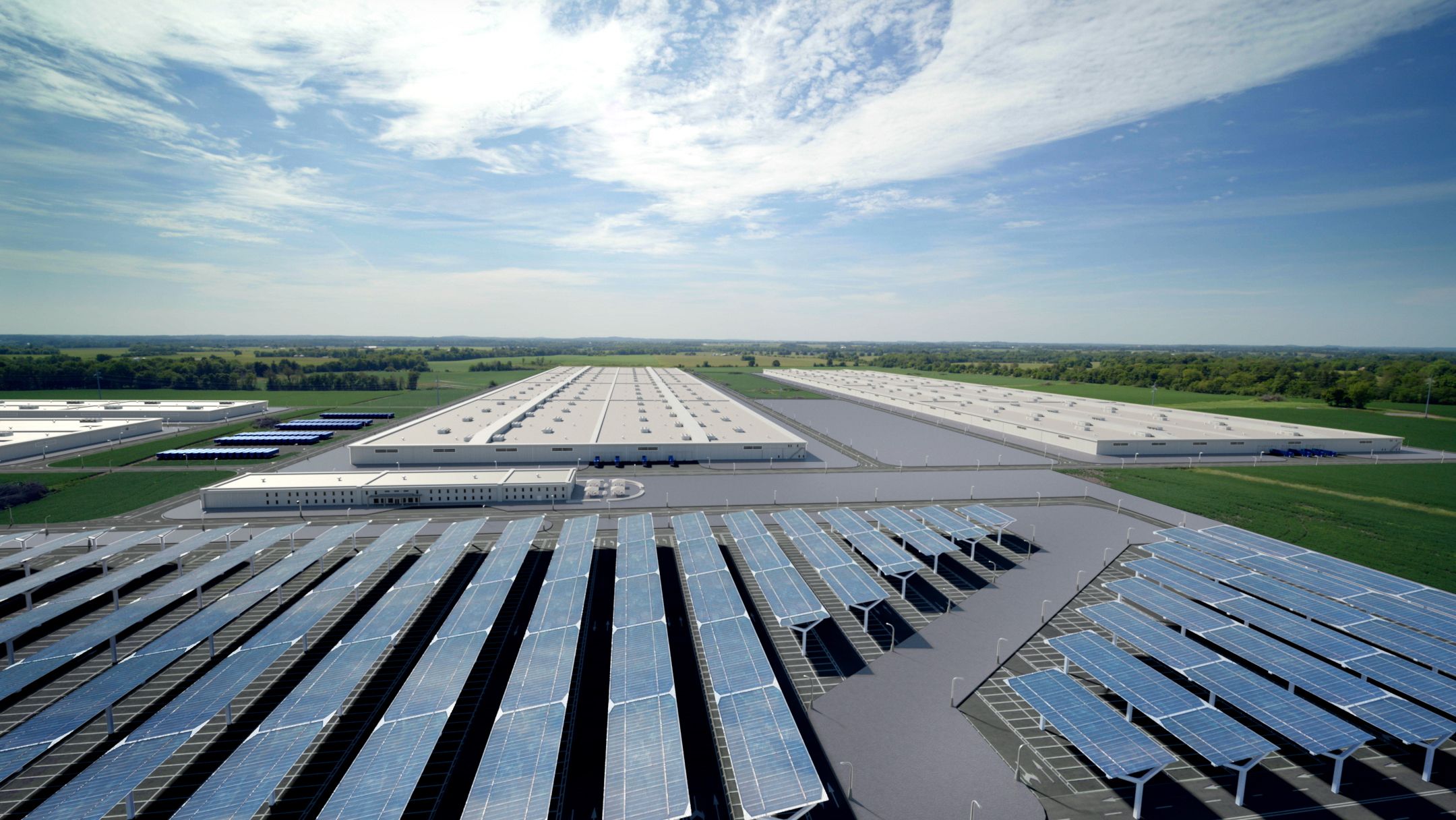
The Strategic Realignment of US Automakers Toward Energy
US automakers are redefining their core competencies by transitioning from vehicle manufacturers to energy solution providers, a shift catalyzed by persistent challenges in electrification and the lucrative potential of battery storage infrastructure. This evolution reflects not merely a response to regulatory pressures but a calculated move to secure profitability amid volatile market conditions and technological uncertainty.
From Gas Engines to Grid-Scale Storage
Ford’s recent announcement to spin off Ford Energy as a standalone entity underscores the strategic pivot. The subsidiary will specialize in battery energy storage systems (BESS), targeting utilities, industrial clients, and data centers with deployments slated for late 2027. This move capitalizes on federal tax incentives for commercial storage projects while mitigating risks tied to EV production setbacks. Similarly, General Motors is collaborating with Redwood Materials to scale energy storage solutions, illustrating a broader industry consensus on the sector’s financial resilience.
- Policy Tailwinds: GOP-led legislation restricting EV sales tax credits has redirected focus toward hybrid and storage technologies.
- Investor Sentiment: Ford Energy’s announcement triggered a 13% stock surge, highlighting market confidence in diversified revenue streams.
- Technical Synergies: Existing partnerships with battery giants like CATL provide manufacturing credibility for storage projects.
Data Centers as Catalysts for Storage Demand
The intersection of AI and energy infrastructure has become a pivotal driver of this transition. Data centers, which power AI workloads, consume vast electricity and require reliable backup systems. Batteries offer dual benefits: direct power for servers and cooling systems, plus grid stabilization during peak demand. Shan Tomouk of Benchmark Mineral Intelligence notes that automakers can leverage their storage expertise to serve this expanding market without competing with legacy gas-powered infrastructure.
- AI Expansion: Cloud-based AI tools amplify energy needs, creating sustained demand for large-scale storage.
- Grid Flexibility: Batteries reduce reliance on fossil fuel peaker plants, aligning with corporate sustainability pledges.
- Cost Efficiency: Repurposing EV battery lines for stationary use lowers capital expenditure compared to new builds.
Strategic Implications and Risks
While the pivot promises near-term stability, long-term success hinges on execution. Ford’s prior $19.5 billion write-down in EV programs signals operational challenges, yet storage leverages existing supply chains and policy support. Gil Tal of UC Davis’ EV Research Center cautions that non-profitable ventures may still strain finances if revenue models falter. However, the alignment with data center growth—projected to increase 20% annually—provides a buffer against EV volatility.
- Competitive Differentiation: Automakers avoid direct competition with gas car sales by positioning storage as an ancillary business.
- Regulatory Uncertainty: Shifts in federal incentives could alter project economics, requiring agile planning.
- Technological Obsolescence: Rapid advancements in stationary storage tech demand continuous R&D investment.
Outlook for the Energy Transition
The convergence of EV legacy burdens and energy opportunity marks a turning point for US manufacturers. By 2030, automakers with robust storage portfolios could dominate grid-scale projects, transforming liabilities into assets. The key variables—policy continuity, AI-driven demand, and execution speed—will determine whether this pivot becomes a blueprint for industry survival or a temporary reprieve.
This realignment underscores that the future of mobility is inseparable from energy infrastructure, with data centers acting as both catalyst and proving ground. For stakeholders, the message is clear: success will depend on embracing cross-sector innovation over siloed product strategies.