Why Skate Story's $16 Price Drop and Pirate Permission Define Indie Success
This week, Skate Story has become one of our favorite games of 2025 with a stunning $16 price tag on GOG, but the real story lies in developer Sam Eng's radical stance. While the industry obsesses over "value" as a marketing metric, this sale highlights a deeper disconnect between creators and audiences that is finally being bridged through honesty. The recent move by Sam Eng suggests a more pragmatic and human-centric approach to accessibility that bypasses traditional retail pressure entirely.
For years, digital distribution conversations centered on aggressive discounting strategies designed solely to clear inventory or secure platform exclusivity deals. However, the creator of this 2025 cult favorite is challenging those norms with a message that prioritizes player enjoyment over rigid revenue models. This shift proves that Skate Story isn't just another title chasing trends; it represents a new era where trust between developer and fan takes precedence.
The Devil's Greatest Weakness: A Game Built on Glass, Pain, and Style
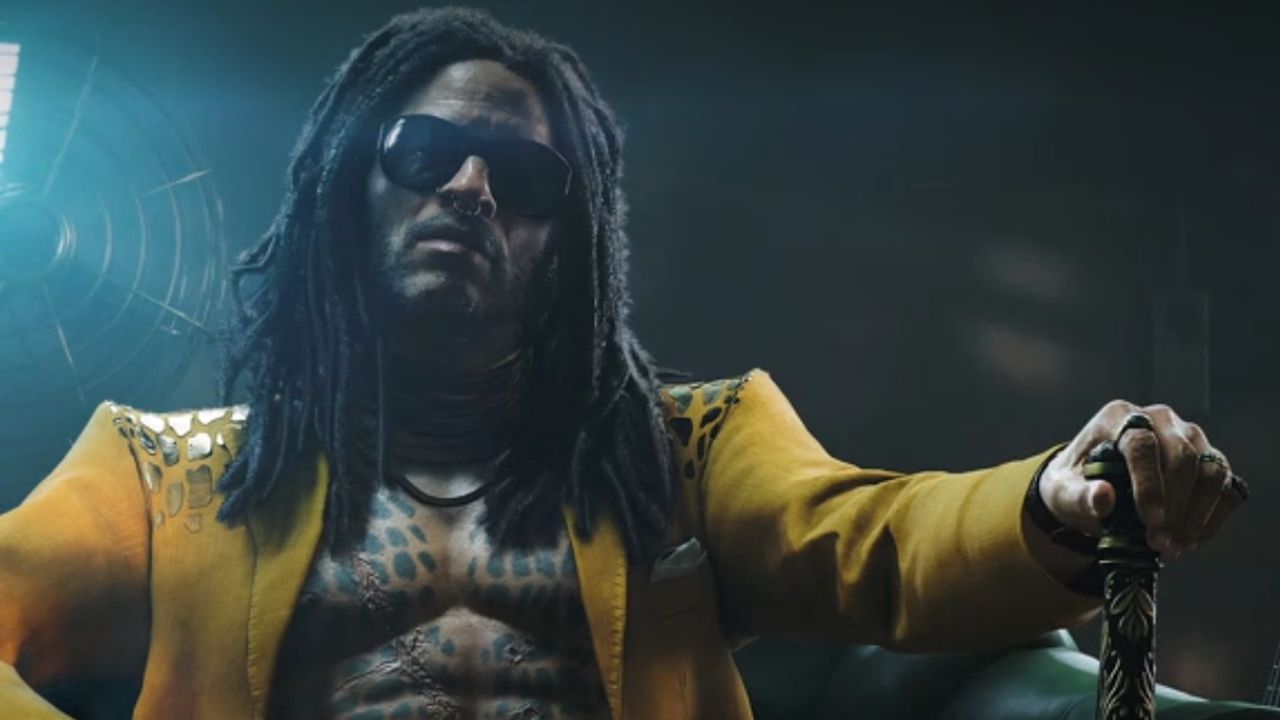
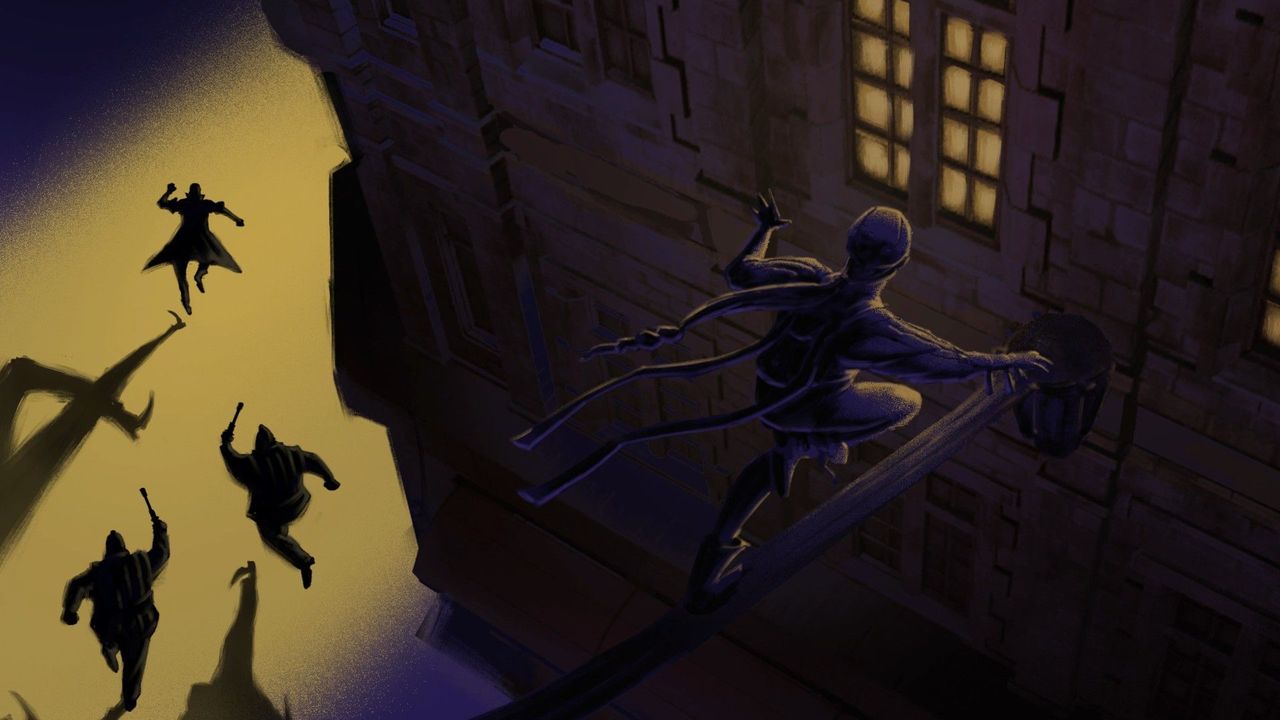
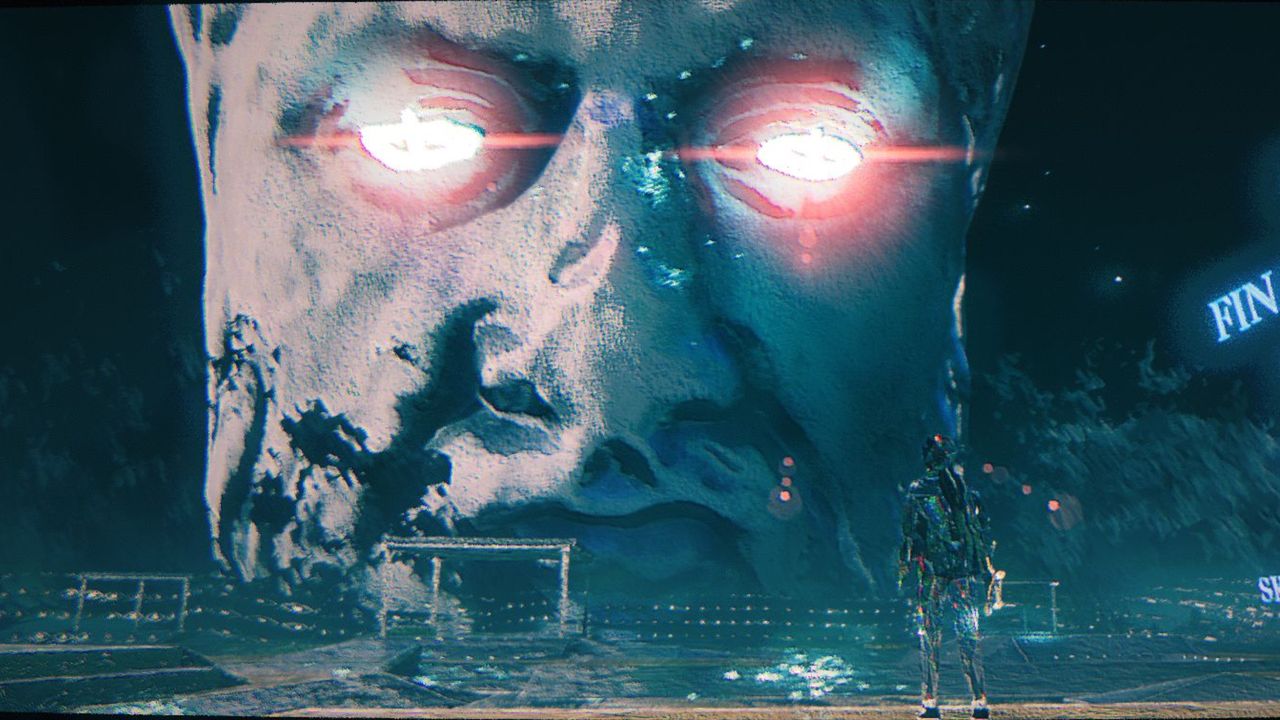
Skate Story, a title that deftly blends skateboarding mechanics with dark fantasy elements, has long been celebrated for its unique premise of playing as a demon made of "glass and pain." Launched in 2025 to critical acclaim, the game asks players to push through hellscape environments while performing stylish tricks that serve as both combat and traversal methods. The narrative focuses on discovering The Devil's greatest weakness, which turns out to be humility, perseverance, and a specific type of backside tailslide that seems engineered specifically to sound cool in marketing copy.
PC Gamer's Lincoln Carpenter described the experience as a "stylish lunical skater with peerless vibes," highlighting how the game manages to balance its absurd premise with genuine mechanical depth. The game’s protagonist, Robert, isn't just skating through levels; he is engaging in a surreal dialogue with the very concept of sin and redemption while executing flip tricks that look like they were designed by an artist who only speaks in slang. This unique tonal blend has kept Skate Story relevant long after its initial release, cementing its status as a must-play title for fans of unconventional indie games.
A Developer's Radical Approach to Pricing and Piracy
The recent 20% price drop on GOG, bringing the cost down to $16, marks a significant moment in how independent creators view their relationship with players. While many studios cling to rigid pricing models or rely solely on seasonal sales events that feel like calculated manipulations of consumer psychology, Sam Eng chose a different path. When announcing the deal on X (formerly Twitter), Eng didn't just tout the discount; he explicitly told fans that if $16 was still too much money for them, they should pirate it honestly.
This statement, while unconventional in an era where anti-piracy DRM is standard, signals a profound shift in developer mindset:
- The primary goal is player access and enjoyment rather than maximizing revenue per unit.
- Trust is placed in the audience to support the creator voluntarily if they choose to do so.
- The value of the game is measured by its cultural impact and community resonance, not just sales figures.
Eng's sentiment suggests that the survival of unique, experimental projects depends more on a passionate player base than on rigid adherence to traditional pricing structures. By removing the barrier of cost entirely for those who truly need it, the developer prioritizes the spread of creative ideas over short-term profit margins. This approach resonates deeply with a community that often feels alienated by aggressive monetization tactics found in modern "Games as a Service" titles.
Why This Pricing Strategy Matters More Than the Sale Itself
The availability of Skate Story on GOG, distinct from its Steam counterpart where the sale does not apply, highlights how distribution platforms can influence pricing strategies. The game’s continued success since its 2025 debut proves that a unique art style and tight gameplay loop can sustain interest over years without constant content updates or microtransactions. It stands as a counter-narrative to the industry trend of releasing unfinished products with the promise of "future improvements."
Sam Eng's candid remark about piracy serves as a reminder that games are ultimately art forms meant to be experienced, not just commodities to be traded. When a developer explicitly encourages players to find some way to play the game if money is tight, it reclaims the spirit of early internet culture where sharing was often seen as community building rather than theft. This week's sale at $16 offers those willing to pay a fair price a chance to support this vision directly, while the developer's words open the door for others who need to wait or seek alternative access methods without guilt.
The broader implication is that indie success stories of 2025 and beyond may increasingly rely on this kind of transparent, empathetic communication between creator and consumer. As the market continues to saturate with titles chasing trends, Skate Story remains a testament to the power of sticking to a singular, weird vision while treating players as partners rather than revenue streams. Whether through purchase or otherwise, the game’s presence in the cultural conversation is secure, proving that sometimes the most effective marketing strategy is simply telling the truth.