The Long Tail Dominance: PC Gaming's Revenue Shift Beyond the Top 20
According to Newzoo's PC & Console Gaming Report 2026, analysts say PC gaming is now the one platform where more than 50% of revenue comes from games outside the top 20. This data confirms that the "long tail" effect has reached its peak on personal computers, creating a market dynamic unlike any other hardware ecosystem. In Western markets specifically, titles ranked 21 and higher grew their share from 48% to 56% in 2025. Consequently, more than half of PC revenue in these regions is now generated by catalog games rather than the latest blockbusters.
Sustained Engagement Drives Long-Term Revenue
The shift isn't just about purchasing habits; it is equally driven by how long players stay engaged with older titles. Playtime for games outside the top 20 has surged by 44%, while total PC playtime grew only 14% and engagement with Top 20 titles remained flat or slightly down. This indicates a profound change in consumer behavior where durability trumps novelty.
Games benefiting most from this sustained interest include:
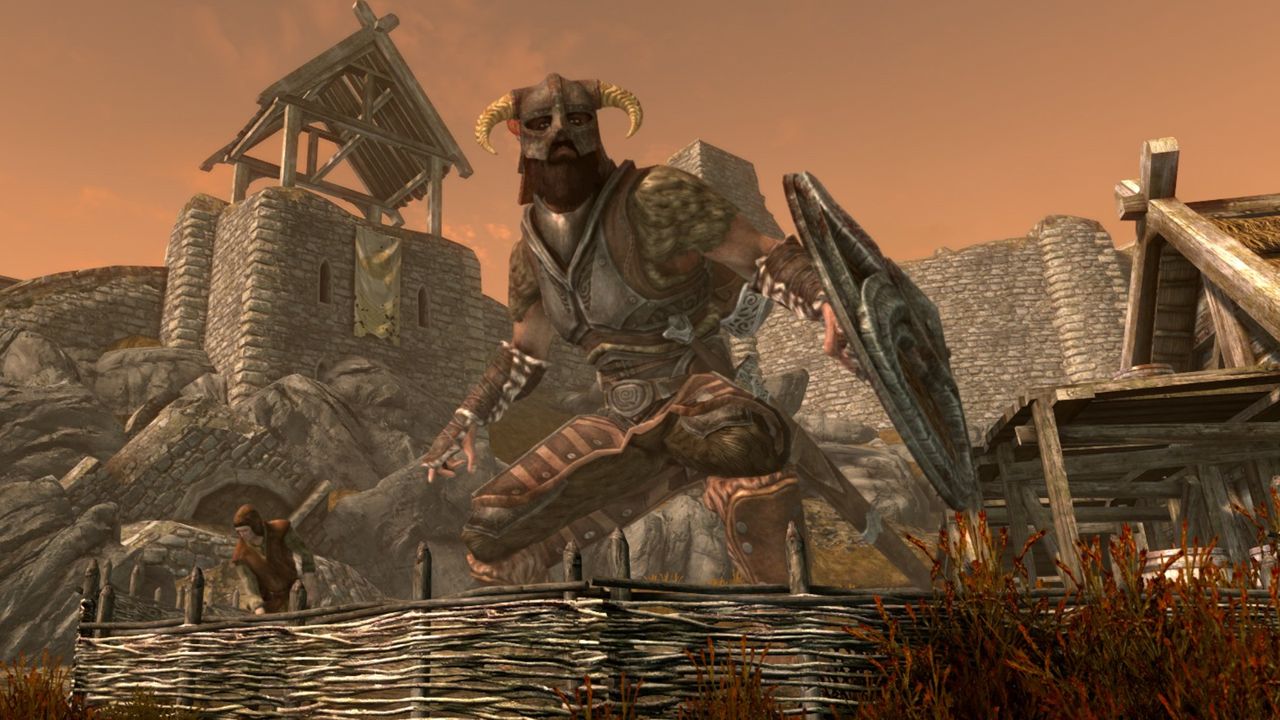
- Durable catalogue staples like Cyberpunk 2077, Elden Ring, and Skyrim.
- Survival and action RPGs, genres known for ongoing support, updates, and balancing that keep players involved.
- Titles like Rust, DayZ, and the newly released Path of Exile 2, which are capitalizing on continued community interest.
In contrast to the PC ecosystem, other platforms show different retention patterns. On PlayStation, catalogue games still compete directly with annualized sports franchises that absorb significant playtime. When PlayStation players return to older titles, they overwhelmingly choose prestige exclusives such as God of War Ragnarök, Ghost of Tsushima, Spider-Man 2, and The Last of Us Part 2. Meanwhile, Xbox has cemented itself as the "Game Pass machine," where playtime correlates strictly with current subscription availability. Notably, new free-to-play games account for less than 1% of Xbox playtime, likely viewed as distractions from a backlog subscribers have already paid for.
The Economic Relevance of Games Below the Top Tier
The concept of the long tail was popularized by Chris Anderson in Wired over two decades ago, specifically highlighting PC gaming as the market best positioned to benefit. Anderson noted that retro gaming, including emulators running on modern PCs, is a growing phenomenon driven by nostalgia from the first joystick generation. However, the trend has evolved beyond just "retro" items; games like REPO and Kingdom Come: Deliverance 2 are selling consistently even after dropping off bestseller lists.
Where there used to be a perilous sales drop-off for games no longer in the trending window, there is now a much larger audience waiting for discounts or free time to explore titles from a year prior. Tianyi Gu, manager of market analysis at Newzoo, summarized this economic shift: "On PC, the space below the Top 20 is becoming more economically meaningful." While the market remains concentrated at the very top, games just outside that circle have become significantly more commercially relevant than before. This data validates that for publishers and developers, maintaining a strong back catalog is no longer just a legacy play—it is a primary revenue driver.
For players looking to enhance their experience with these enduring titles, community resources remain vital:
- Fallout 4 cheats include nuclear codes for unique endings.
- New Vegas console commands allow for stacked decks and inventory management.
- Oblivion users can access crisis controls for difficulty adjustments.
- Skyrim players utilize specific commands to tune their Tamriel experience.
- The Skyrim Anniversary Edition includes extensive additional content beyond the base game.