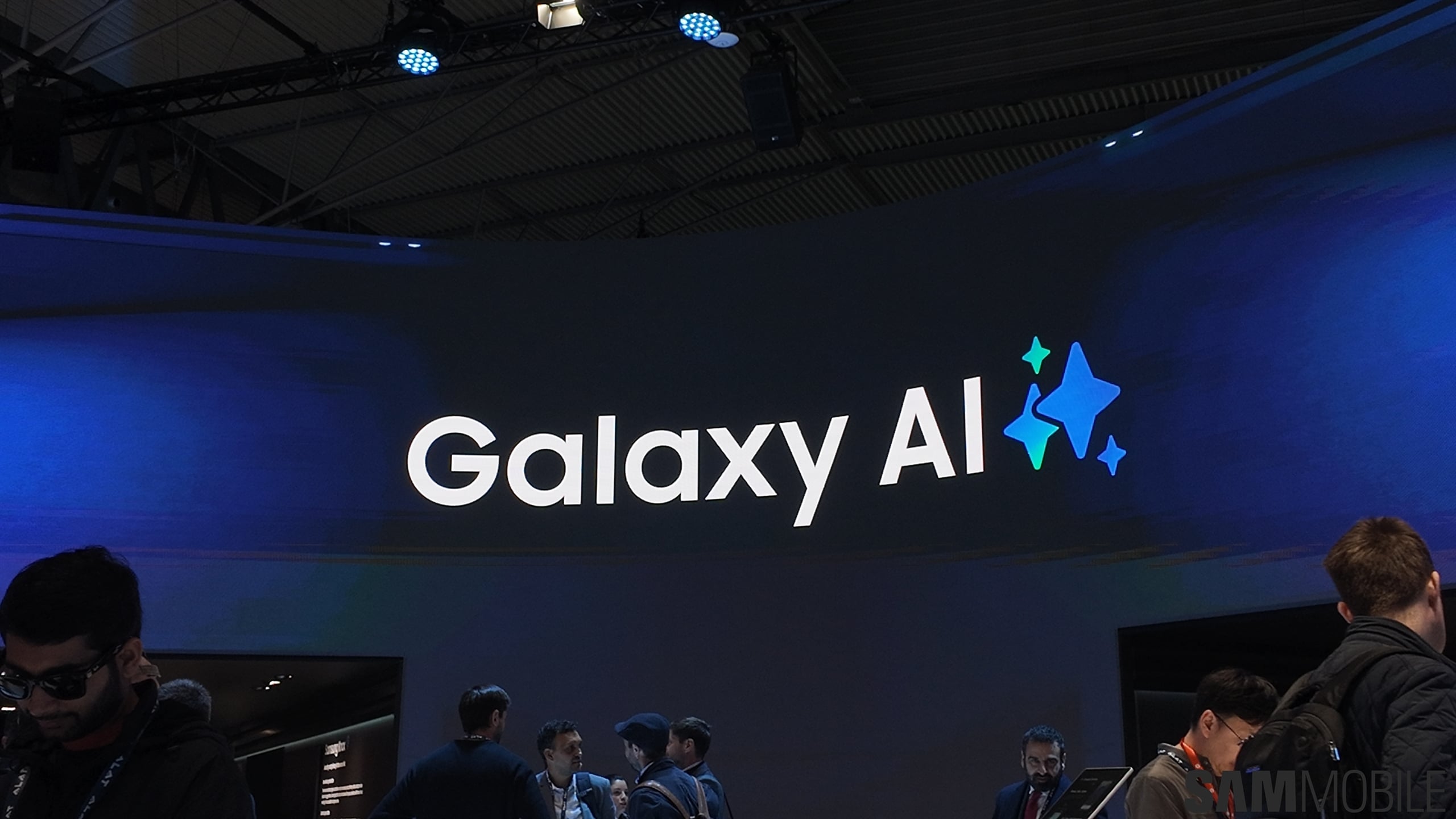
The stock market has reached a massive turning point as Samsung's shares climbed past the $1 trillion mark, a seismic shift that underscores how deeply the AI boom has permeated the global technology landscape. Investors are heavily rewarding the company’s strategic positioning at the intersection of semiconductors and artificial intelligence, betting on its ability to sustain momentum in an industry undergoing rapid transformation.
The AI Boom Driving Samsung Toward $1T Valuation
Samsung’s meteoric rise aligns with a broader industry trend where every major tech player now depends on advanced memory solutions to power massive AI workloads. As data centers worldwide scramble to scale infrastructure for generative AI models and large language processing systems, Samsung's dominance in high-bandwidth memory (HBM) has become pivotal.
The surge in valuation is driven by several key market dynamics:
- Surging Chip Demand: AI-driven demand for specialized chips is currently outpacing traditional sectors, creating significant bottlenecks across global memory production.
- Margin Expansion: Sales of HBM (High-Bandwidth Memory) now represent a high-margin engine within Samsung’s massive product portfolio.
- Supply Chain Evolution: Potential manufacturing partnerships with players like Apple could redistribute global supply chains, adding a layer of strategic complexity to the market.
Competitive Pressures and Operational Risks
While reaching the $1 trillion milestone signals immense success, the path forward is not without obstacles. Samsung faces fierce competition from industry rivals such as SK Hynix and Micron, all of whom are racing to capture a shrinking pool of high-margin memory orders.
The urgency to stay ahead has forced massive capital investments into new fabrication plants (fabs). However, these technological leaps are being met with human capital challenges. Recent labor unrest, including a threatened 18-day strike by workers, highlights how production continuity could be at risk despite the ongoing AI boom.
Outlook: Balancing Growth and Stability
Samsung’s current trajectory reflects both the massive opportunities and the inherent vulnerabilities of the AI era. To maintain its $1 trillion status, the company must do more than just secure flagship contracts; it must navigate complex labor relations, manage rising input costs, and sustain the innovation cycles required to keep its products indispensable to next-generation computing.
As demand for specialized silicon accelerates, Samsung’s ability to master integration—from raw silicon to end-user solutions—will determine if it can capture a disproportionate share of the emerging digital economy. While short-term gains appear robust, long-term sustainability will depend on balancing aggressive expansion with resilience against cyclical downturns and global supply constraints.