The pursuit of interplanetary colonization requires an immense tolerance for risk, but the most profound dangers often manifest on Earth rather than in the vacuum of space. At SpaceX’s Starbase facility in Boca Chica, Texas, the drive for rapid iteration creates a constant tension between innovation velocity and worker safety. While the company focuses on conquering orbital mechanics, it remains tied to the mechanical realities of heavy industry where a single error can be fatal.
OSHA Probing Worker Death at SpaceX’s Starbase Site
Recent investigations by the Occupational Safety and Health Administration (OSHA) have highlighted a recurring struggle to maintain safety standards amidst a frantic pace of development. The scrutiny suggests that the "move fast and break things" ethos—highly effective in software—may be yielding unintended consequences in heavy manufacturing and aerospace construction.
The regulatory focus has intensified following several high-profile incidents:
- A fatal accident at the McGregor, Texas facility where worker Lonnie LeBlanc was blown off a moving truck by a wind gust.
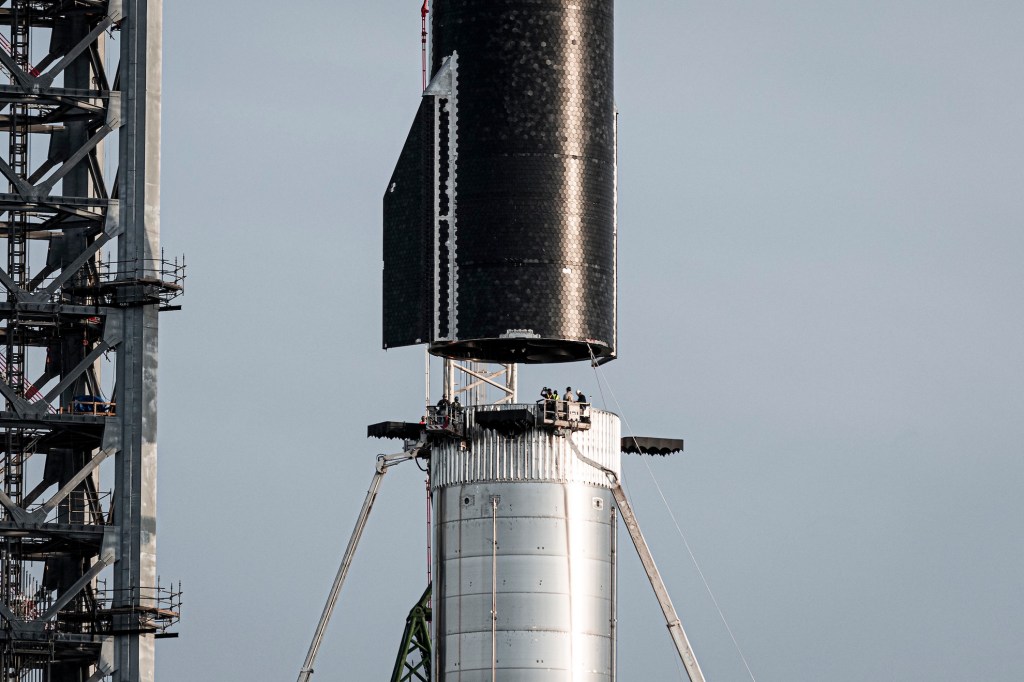
- A severe crane accident at the Starbase site in November 2025, involving a suspended metal support that crushed a subcontractor.
- Significant fines issued by both federal OSHA and CalOSHA for various safety violations.
These events suggest that the pressure to meet aggressive launch windows may be outpacing the implementation of rigorous safety protocols.
The Risks of Rapid Aerospace Iteration
The mechanics of recent injuries underscore the inherent volatility of large-scale aerospace construction. During the November incident at Starbase, a worker sustained catastrophic injuries—including broken hips, knees, and tibias—when a heavy metal support failed during a crane operation. This failure points toward potential breakdowns in load management or equipment oversight.
When OSHA concluded investigations into previous infractions, it levied fines totaling over $50,000. While these penalties are small compared to SpaceX's valuation, they serve as formal acknowledgment of systemic lapses. The core issue is the friction between industrial velocity and established safety benchmarks; in the rush for rapid prototyping, the margin for error is being compressed to unsustainable levels.
Future Challenges for Starbase Operations
As SpaceX expands its footprint, several operational challenges will define its maturity and how it handles an OSHA probing worker death at SpaceX’s Starbase site and similar incidents:
- Automated Monitoring: Integrating tech to mitigate human error in high-wind or high-activity zones.
- Subcontractor Oversight: Ensuring third-party workers adhere to the same rigorous standards as full-time staff.
- Cultural Reconciliation: Balancing a "fail fast" mentality with the zero-tolerance requirements of heavy machinery.
The long-term success of Mars missions will not be measured solely by Starship payload capacity. It will also be judged by how well the company protects the human element making these ambitions possible. If SpaceX cannot stabilize its terrestrial safety record, its momentum in the skies may be undermined by instability on the ground.