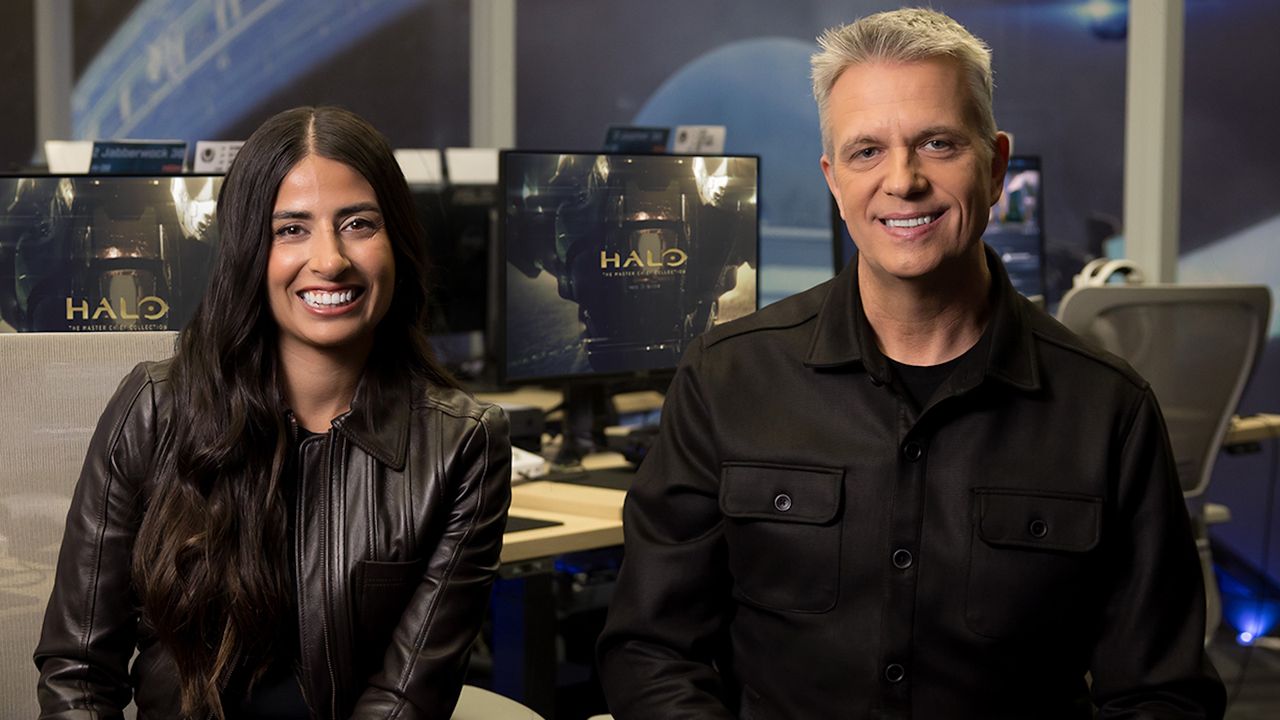
Microsoft Gaming CEO Asha Sharma promised a "renewed commitment to Xbox" when she took over from Phil Spencer in February. In the months since, we have seen significant movement: a pledge to avoid "AI slop," the end of the "this is an Xbox" strategy, and recent shifts in Game Pass pricing and Call of Duty release windows. Now, a joint message from Sharma and newly-installed chief content officer Matt Booty has made it clear that their presence on PC isn't strong enough.
Rebranding and the Return of Xbox
The internal memo, which was shared publicly after being sent to employees, reveals a significant structural change. The "Microsoft Gaming" title—adopted in 2022 to encompass Xbox Game Studios, Bethesda, Activision Blizzard, and King—is being retired. In its place, the classic Xbox name is returning.
While the rebranding is notable, much of the memo contains the typical corporate rhetoric found in "rally-the-troops" communications. Phrases like "Games should bring people/people together through shared experiences" and "Xbox will be where the world plays and creates" offer very little concrete information regarding a long-term roadmap.
Addressing the Weak Xbox Presence on PC
Despite the vague promises, the memo contains several frank admissions regarding current failures. The leadership team explicitly identified why players are dissatisfied and where the platform is falling short:
- Player frustration regarding frequent feature drops on consoles.
- A lack of strength in their presence on PC.
- Difficulty for users to keep up with evolving pricing models.
- Fragmented experiences in search, discovery, social, and personalization.
- A need for better tools and deeper insights for developers and publishers.
This admission regarding the presence on PC isn't strong enough is telling, especially given Microsoft's historical struggles to translate its operating system dominance into a competitive edge in the gaming market.
The Shifting Landscape of Modern Gaming
The memo also touches on the "War for Attention" and the rise of a new generation of players who demand more social and creative integration. Leadership noted that Windows is increasingly where competition is most intense, as players seek out instant access and evolving libraries.
This shift mirrors recent industry observations. Jack Buser, Google Cloud's global director for games, recently suggested that much of the industry's real growth is stemming from Roblox and China. While Sharma has promised to steer clear of low-quality AI content, the memo notes that Xbox leadership will "reevaluate our approach to exclusivity, windowing, and AI."
Ultimately, Microsoft’s new "north star" appears to be daily active players. However, achieving this goal will be difficult as the company simultaneously launches its first-ever early-retirement buyout program for employees to refocus on AI.
While some remain skeptical, industry analyst Mat Piscatella was more optimistic, calling the memo an "excellent" foundation that sets a clear vision for the future. Whether Microsoft can turn these admissions into a functional strategy remains to be seen.