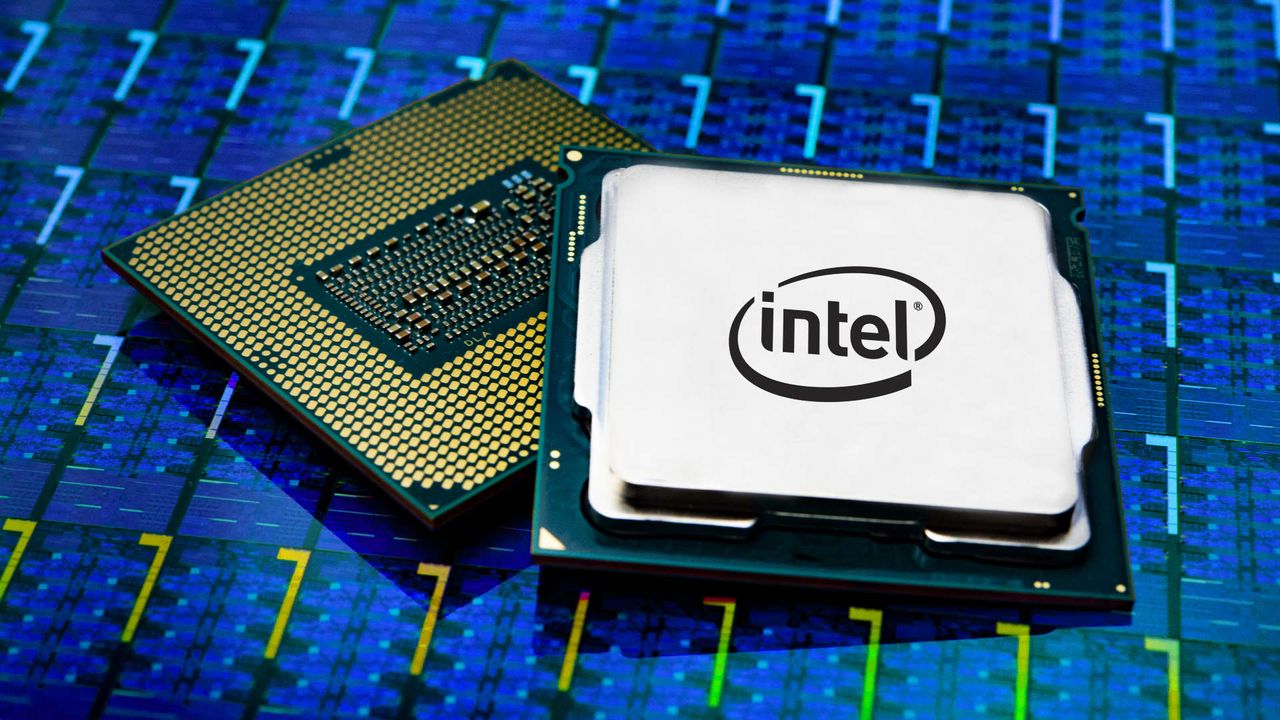
PC gaming has become an incredibly expensive hobby, especially when even a mid-tier pre-built rig costs significantly more than most builders want to spend. Fortunately, Intel may be moving to make high-tier performance much more accessible for those on a tighter budget by expanding the availability of overclocking.
Intel Aims to Democratize Overclocking for Enthusiasts
Robert Hallock, the VP & GM of Intel's enthusiast channel business, recently hinted that the company intends to offer more unlocked CPUs at lower price points. During an interview with PC Games Hardware, Hallock made it clear that high-end features shouldn't be gated behind a massive price tag.
"[Overclocking] should not be a new feature that is exclusively reserved for the people paying the most amount of money," Hallock explained. "Not everyone can afford the most amount of money [...] and that doesn't make them any less of an enthusiast than the person who can spend $500 on a CPU."
Hallock continued by emphasizing Intel's commitment to their roadmap: "They are still PC enthusiasts, and they deserve the same level of features, and that is what we intend to deliver in our roadmap."
Expanding Beyond the High-End K-Series
Historically, Intel has reserved overclocking capabilities for CPUs with a 'K' designator. These chips are typically higher-end and significantly more expensive than their locked counterparts. While the Intel Core Ultra 5 245K is a capable chip that can be pushed further, it still sits in the mid-tier of the current CPU hierarchy.
Intel may soon introduce even lower-tier chips with unlocked multipliers. This would echo the "good ol' days" of PC tuning, where users could tweak the front side bus on affordable processors to squeeze out an extra 1 GHz of performance.
As we look toward the future, several factors will determine if this vision becomes a reality:
- Nova Lake Architecture: Expected to launch later this year, though it is unclear if it will include budget-friendly unlocked chips.
- Component Shortages: Global CPU shortages are currently reported to be even more acute than the memory crisis.
- The 18A Transition: We are still waiting for Intel's 18A chips to help stabilize supply and pricing.
The Cost of Building a Complete System
While making overclocking more accessible is great news, the broader hardware market remains a struggle. Rising prices for RAM and SSDs are creating a massive knock-on effect across the entire ecosystem. While many gamers are still successfully running decade-old hardware, like the legendary GTX 1080 Ti, most feel they aren't getting enough bang for their buck lately.
However, a cheaper CPU is only half of the equation. For an unlocked processor to be truly useful, builders need access to decently priced, compatible motherboards. With component prices reaching for the sky, Intel's goal of lowering the barrier to entry remains a much larger challenge than just the silicon itself.


![Fallout: New Vegas dev says it could've been set in New Orleans because 'the vibe was so cool, the flavor was cool, [it would've been] so sweet'](https://gli7ch.com/storage/news/2026/04/0844a4a6-3dcd-49cd-917d-118443a52d4d.jpg)