While us mere Earth-dwellers are stuck in the middle of the "RAMpocalypse," those bourgeois folks up on the International Space Station have no such worries. The current crew is currently reviewing plans to replace network servers on the gigantic floating tin can—and preparing to activate new laptops with 128 GB of RAM that boast specs capable of making modern gaming rigs weep.
According to The Verge, these custom HP ZBook G9 Fury models are absolute beasts. They aren't just standard-issue office machines; they are high-performance workstations designed for extreme environments.
High-Performance Specs: The New Laptops with 12 Gaming Rigs Would Envy
These machines are packed with hardware that provides massive processing and graphics power, along with a serious dose of AI crunching capability. The technical breakdown includes:
- Intel Core Ultra 9 processors
- Nvidia RTX Pro Blackwell mobile GPUs
- 128 GB of DDR5 ECC SODIMM memory
- Multiple NVMe SSDs
While that much memory sounds like a luxury, the use of ECC (Error-Correcting Code) is actually a mission requirement. On Earth, ECC memory is used in data centers to ensure data integrity, but in space, it is vital for maintaining redundancy. In high-stakes scenarios where data loss isn't an option, NASA relies on this technology to keep things running smoothly.
Built to Survive Radiation and Zero Gravity
HP has ensured that these new laptops with 128 GB of RAM are much tougher than your average consumer ultrabook. The company reports that the hardware underwent extensive battery and radiation testing, including "bombardment with neutrons in specialised radiation chambers."
While neutron bombardment probably isn't on the checklist for most gaming laptop reviews, it is essential for orbital survival. Even the LCD screens have been thoroughly vetted; engineers checked the glass durability because broken shards in zero gravity can lead to very unfortunate results.
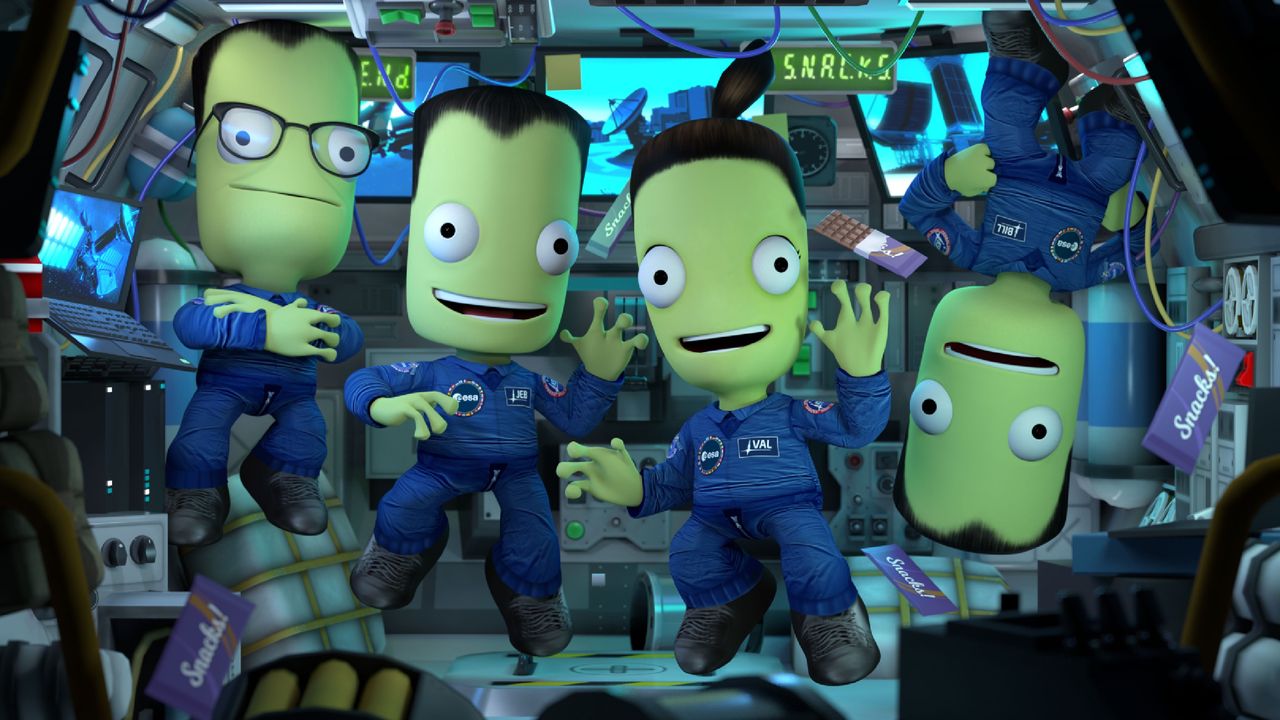
The first batch of these hardware upgrades launched back in October and should be coming online sometime soon. Once they are fully operational, we highly suggest a quick session of Kerbal Space Program as an unofficial testing procedure. It would be rude not to test the limits of space-grade hardware in a space simulator.
![Fallout: New Vegas dev says it could've been set in New Orleans because 'the vibe was so cool, the flavor was cool, [it would've been] so sweet'](https://gli7ch.com/storage/news/2026/04/0844a4a6-3dcd-49cd-917d-118443a52d4d.jpg)