AI Drives Demand for Multilayer Ceramic Capacitors
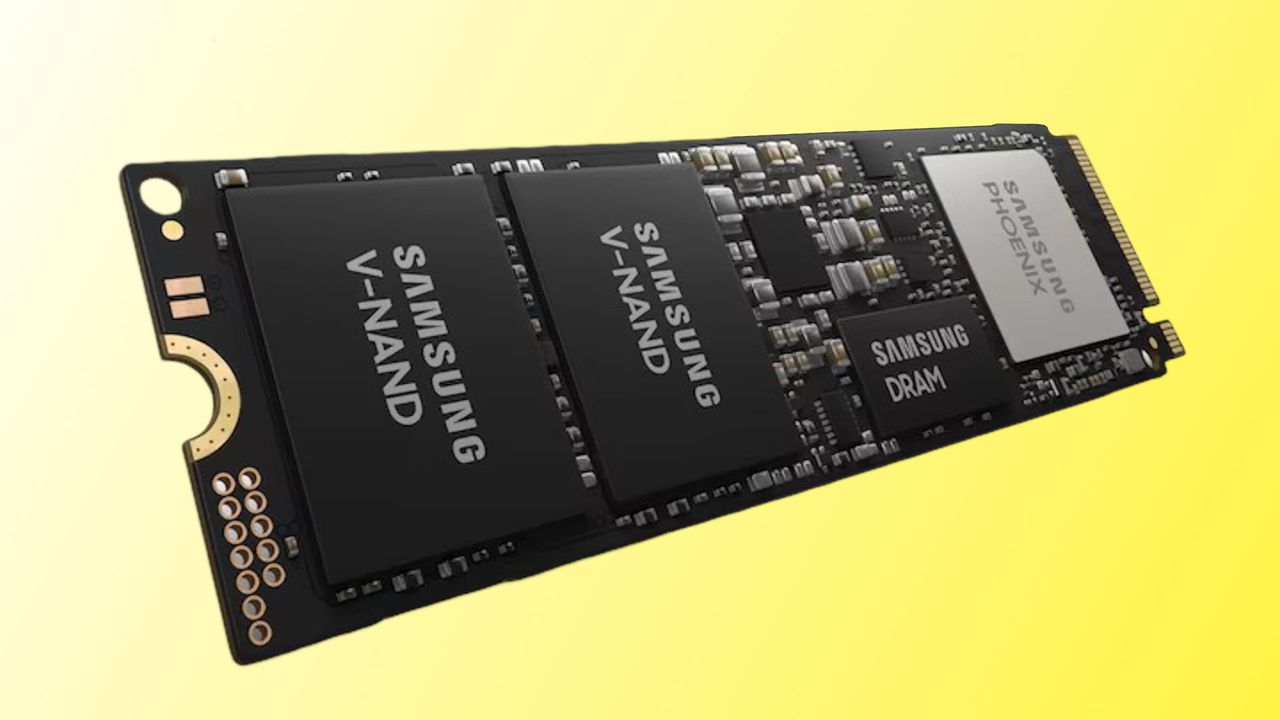
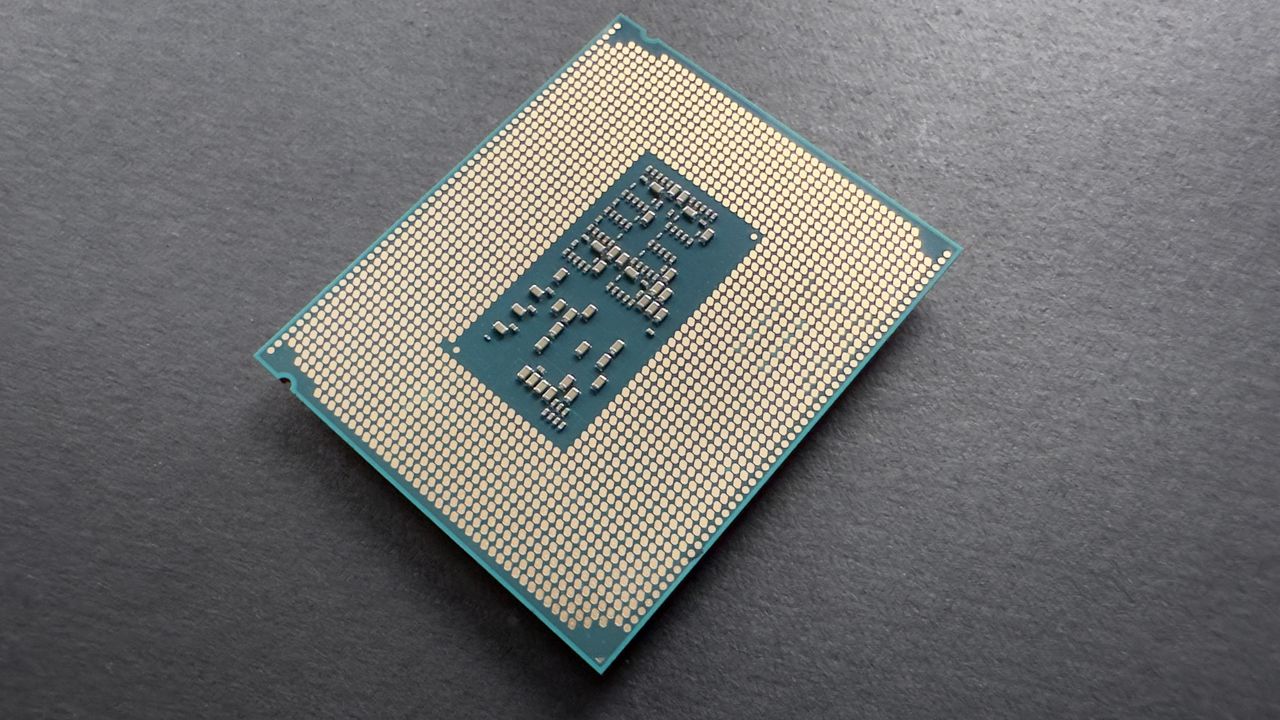
The old saying of ‘It never rains but it pours’ couldn't be more apt when it comes to describing the current state of computer manufacturing. Alongside shortages of DRAM, NAND flash, processors, and copper, it turns out that there is yet another vital component in high demand, short supply, and with significant price hikes: multilayer ceramic capacitors. If you grab any CPU, graphics card, or motherboard, you'll see hundreds of them all over the place. They're used for voltage control and noise filtering.
Taiwan-based Holy Stone, a supplier of multilayer ceramic capacitors, reports that orders face delays of more than 20 weeks. Chairman Bill Tang said this bottleneck is expected to worsen through the remainder of this year and next. Even with output expansions of up to 30% and 40% over two financial years, production cannot keep pace.
Thousands of MLCC are required for a single AI server board — up to ten times more than a standard server — and similarly for power‑supply units that feed whole racks. The tight flow is reflected in price spikes; Murata Manufacturing lifted its rates by 15% to 35% last month.
The Ripple Effect Across the PC Supply Chain
Nvidia’s Vera Rubin racks, though they contain MLCC, also rely on specialized components that are not widely used in consumer PCs. Meanwhile, the hype around high‑bandwidth memory (HBM) has pushed manufacturers to prioritize it over regular DRAM, further straining supply.
Anyone who's been a PC gamer for many years knows that component shortages recur — cryptomining and Covid were recent examples. The AI boom appears to be another wave in this cycle of scarcity.
- AI servers demand massive numbers of MLCC.
- Shortages affect both server power supplies and consumer hardware.
- Price hikes are driven by limited production capacity.