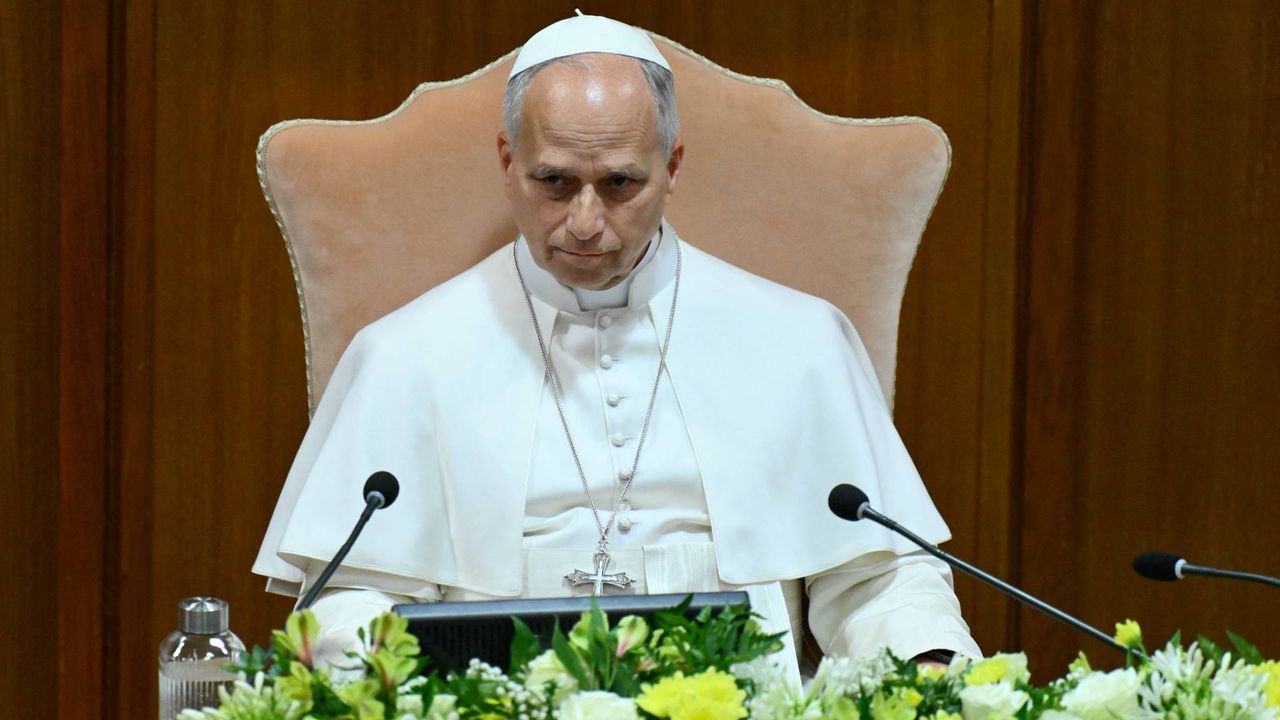
Pope Leo XIV’s latest encyclical, Magnifica Humanitas, warns that Technology is never neutral because it mirrors those who shape it. He urges the AI industry to slow down and break fewer things, denouncing a pervasive culture of power. This open letter, released on May 15—135 years since Leo XIII’s Rerum novarum—is framed as a safeguard for the human person in the age of artificial intelligence.
The Pope’s Warning on AI and Humanity
The Pope frames AI not as an impartial tool but as a powerful force that can reshape society. He cites risks to livelihoods, remote warfare, and the dehumanizing illusion of consciousness. “While AI can enhance defense, it can also lower thresholds for force,” he writes, urging regulators to prioritize the common good over profit.
AI’s Moral Limits
Leo XIV warns that without oversight, those who control AI will impose their own moral vision, turning systems into an invisible infrastructure. He asserts that consciousness is a human experience: AIs lack bodies, feelings, relationships, and spiritual insight. They may mimic language or empathy but cannot truly understand love, work, or responsibility.
Key Concerns
- AI threatens creative industries
- AI lowers the threshold for violence
- AI fuels a profit‑driven ethos that sacrifices the vulnerable
The Pope also critiques “algorithmic consciousness,” noting that an LLM’s output does not equal wisdom. He contrasts his view with philosopher Jacob’s and evolutionary biologist Richard Dawkins, who claimed Claude was conscious. Jacob retorted: “You’re wrong, Dawkins: AI bots bloody well are not conscious.”