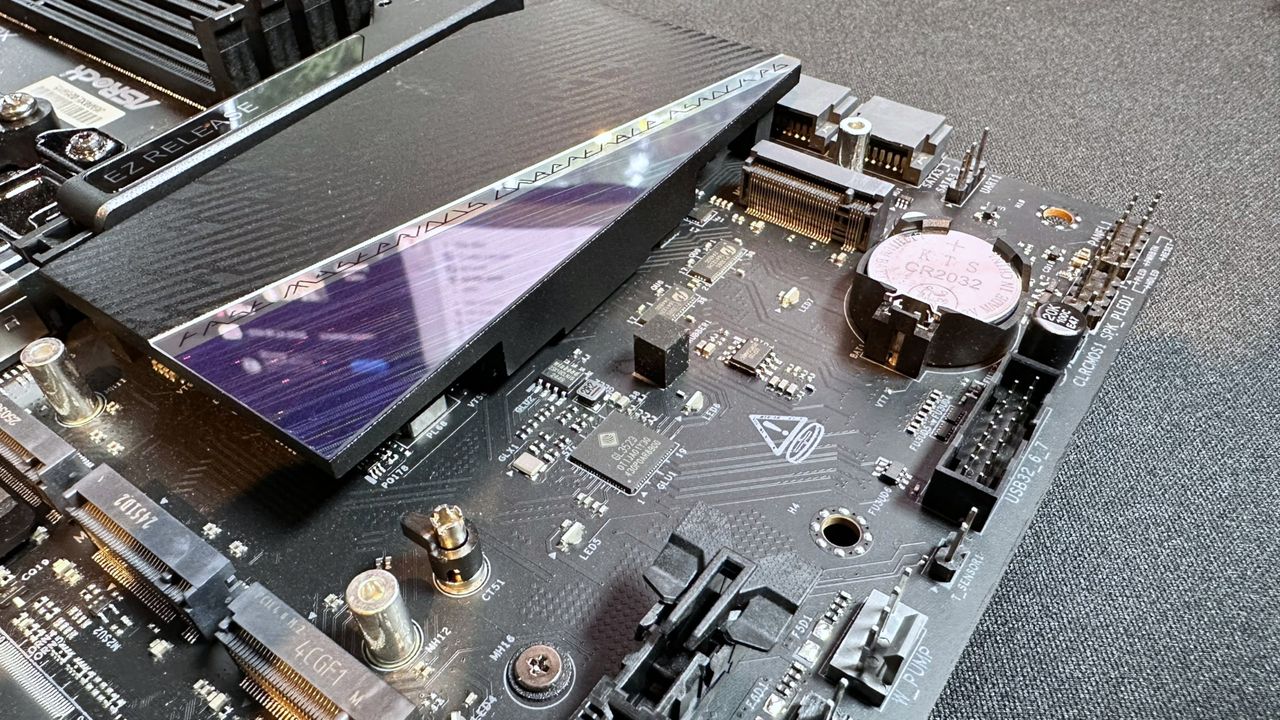
According to industry sources and executives known to Reuters, the war in Iran is severely impacting the supply of materials crucial for Printed Circuit Boards (PCBs). This disruption has caused PCB prices to skyrocket, with Goldman Sachs reporting that costs in April jumped by as much as 40% since March.
The Impact of the Jubail Complex Strike on PCB Prices
In early April, Iran struck Saudi Arabia's Jubail petrochemical complex. This event forced a halt in the production of high-purity polyphenylene ether (PPE) resin, which is a critical base material used to manufacture PCB laminates.
The consequences for the global market are significant because SABIC operates within the Jubail complex and accounts for approximately 70% of the world's high-purity PPE supply. According to Reuters, the company has been unable to resume output, severely tightening material availability worldwide.
Widening Disruptions in the Global Supply Chain
The volatility is not limited to resin production. Shipping routes in and out of the Gulf have been severely disrupted by the war, and blockades on the Strait of Hormuz are threatening vital global supplies. These geopolitical tensions are creating a "perfect storm" for electronics manufacturing:
- Increased Lead Times: An executive for South Korean maker Daeduck Electronics stated that waiting times for materials like epoxy resin have increased fivefold, jumping from three weeks to 15.
- Semiconductor Risks: According to The Elec Korea, shortages in solvents used for photolithography could slow production for major players like SK Hynix and Samsung.
- Rising Material Costs: The industry has been dealing with rising copper foil prices since the start of the year.
A Growing Crisis for PC Hardware
While the conflict is a major driver, PCB prices were already climbing due to the insatiable demand from AI server companies. We have already seen this appetite affect various components, ranging from memory to CPUs.
The ripple effects are hitting consumer hardware hard. Over the past few months, we have seen price increases across RAM kits, SSDs, laptops, and handheld gaming devices. Given the current state of global supply chains, it appears that PCB prices and these poor market conditions may be far from over.