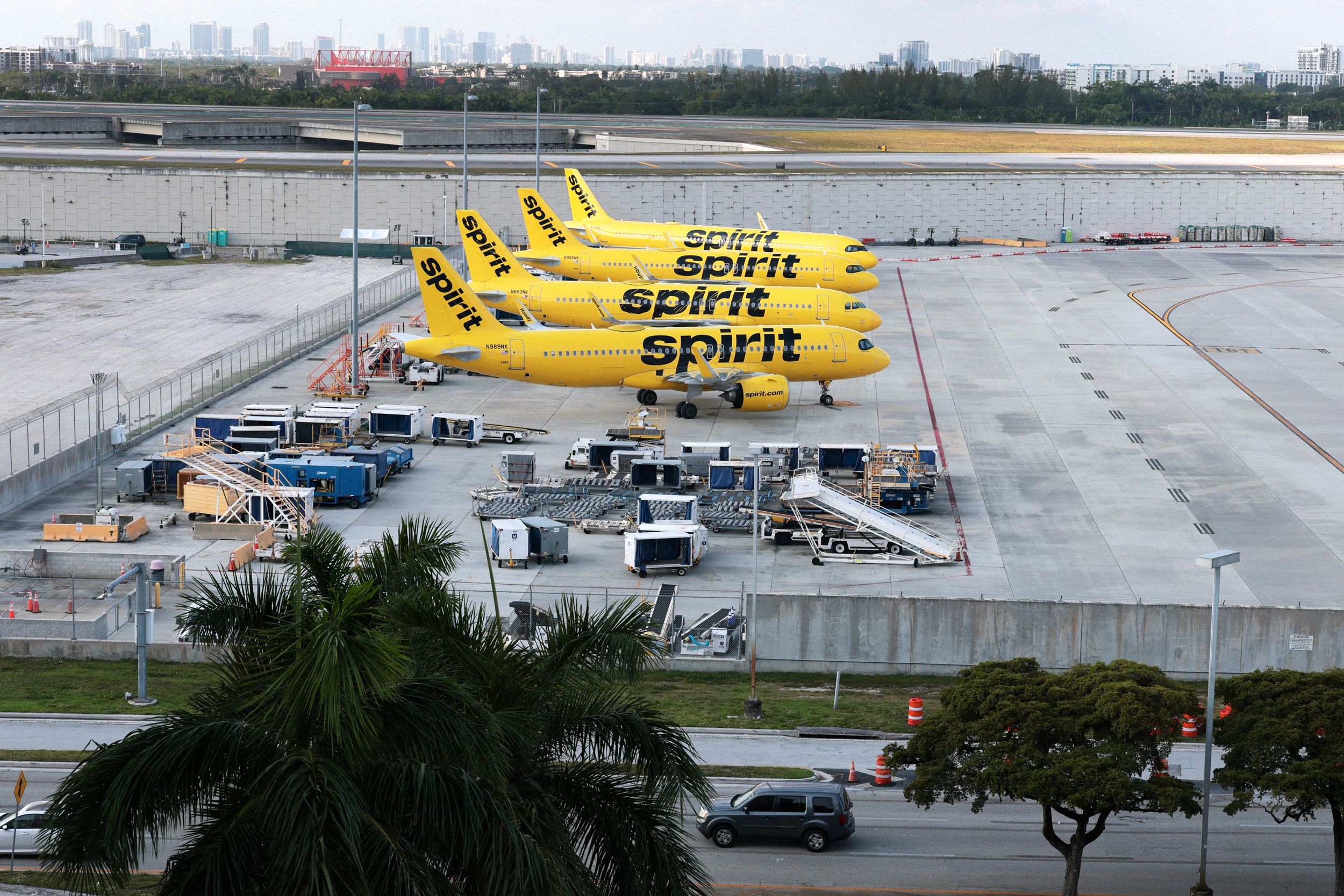
The sudden collapse of Spirit Airlines reshapes more than just a single carrier’s future; it sends ripples through an entire ecosystem of summer travel plans, budget-conscious flyers, and global airline competition. As the industry reacts to this massive shift, travelers must prepare for a new reality in aviation economics.
Immediate Consequences of the Spirit Airlines Collapse
For those currently holding tickets, the most pressing concern is the immediate impact on existing itineraries. The Spirit Airlines collapse brings several direct consequences that passengers need to navigate:
- Automatic Refunds: Spirit has confirmed that fares will be returned without extra steps, providing some relief for those who purchased last-minute tickets.
- Rebooking Urgency: Experts advise travelers to secure alternative flights promptly. Routes once served by Spirit now face reduced seat availability and potentially higher prices.
- Price Volatility: Fuel price spikes have already pushed US ticket costs up nearly 15% year-over-year, meaning the loss of a budget leader could further inflate fares on key international corridors like London and Hong Kong.
Industry-Wide Repercussions and Economic Pressure
The demise of this carrier highlights a broader trend of low-cost carriers struggling to maintain profitability amid rising operational expenses. Fuel costs now represent over a quarter of airline operating budgets, and geopolitical disruptions—such as the Iran crisis and volatile conditions in the Strait of Hormuz—have amplified global uncertainty.
This economic climate explains why Spirit’s financial structure could not withstand years of intense pressure from legacy competitors like Delta and American Airlines, who successfully undercut its aggressive pricing strategy.
Impact on Workforce and Aircraft Management
The human and material cost of this shutdown is significant. Over 17,000 employees faced sudden job loss, with Spirit retaining only a small fraction—roughly 40 workers—to manage winding-down operations. While the broader aviation sector may absorb some displaced talent, many individuals will face difficult transitions or necessary relocations.
The management of Spirit's physical assets also signals a major shift in ownership patterns:
- Fleet Composition: The fleet consists exclusively of Airbus A320 models, known for their efficiency.
- Lease and Sale: Of the 131-plane fleet, 82 are being leased back to lessors.
- Asset Liquidation: The remaining 49 owned planes will be sold off, allowing other carriers to expand their fleets without immediate full acquisition costs.
How Your Future Travel Plans Will Change
The disappearance of Spirit eliminates the ultra-low fare options that previously allowed travelers to book one-way tickets for under $100. With reduced competition, major airlines may face less pressure to keep prices low, especially as fuel costs continue to climb.
Some carriers, including Frontier, have already introduced promotional discounts to capture former Spirit passengers. However, the long-term trend suggests that travelers seeking budget-friendly alternatives may find fewer incentives to wait for "deal" windows.
Looking Forward: Navigating a Volatile Sky
The collapse of Spirit Airlines serves as both a warning sign and an opportunity. For vacationers, proactive planning is now non-negotiable. As legacy carriers gain market share, passengers should anticipate evolving pricing dynamics and prepare for potentially elevated travel expenses during peak seasons.
In this new era of aviation, operational resilience will likely determine success far more than aggressive, low-cost pricing alone. To mitigate risks, travelers should monitor real-time updates, explore alternative carriers early, and prioritize flexibility over the lowest possible price point.