Vast swathes of open water remain largely opaque to oversight, creating blind spots that complicate everything from efficient commerce to emergency response protocols. Governments, shipping conglomerates, and insurance underwriters all grapple with a fundamental challenge: maintaining reliable situational awareness across an environment whose scale defies traditional monitoring grids. Current vessel telemetry systems often rely on outdated infrastructure or basic data pings, leaving the true operational picture fragmented and vulnerable to gaps in coverage or deliberate manipulation.
Beyond Basic Pinging: The Necessity of Distributed Sensing Networks
The industry's reliance on the Automatic Identification System (AIS) represents a technological cul-de-sac; it functions primarily as an opt-in broadcast mechanism rather than a comprehensive, real-time monitoring utility. As Quartermaster demonstrates with its SmartMast system, the core issue is not merely data transmission but data reliability. The current standard allows for easy evasion or outright spoofing—a critical vulnerability that makes it insufficient for high-stakes logistics or security analysis on the global stage.
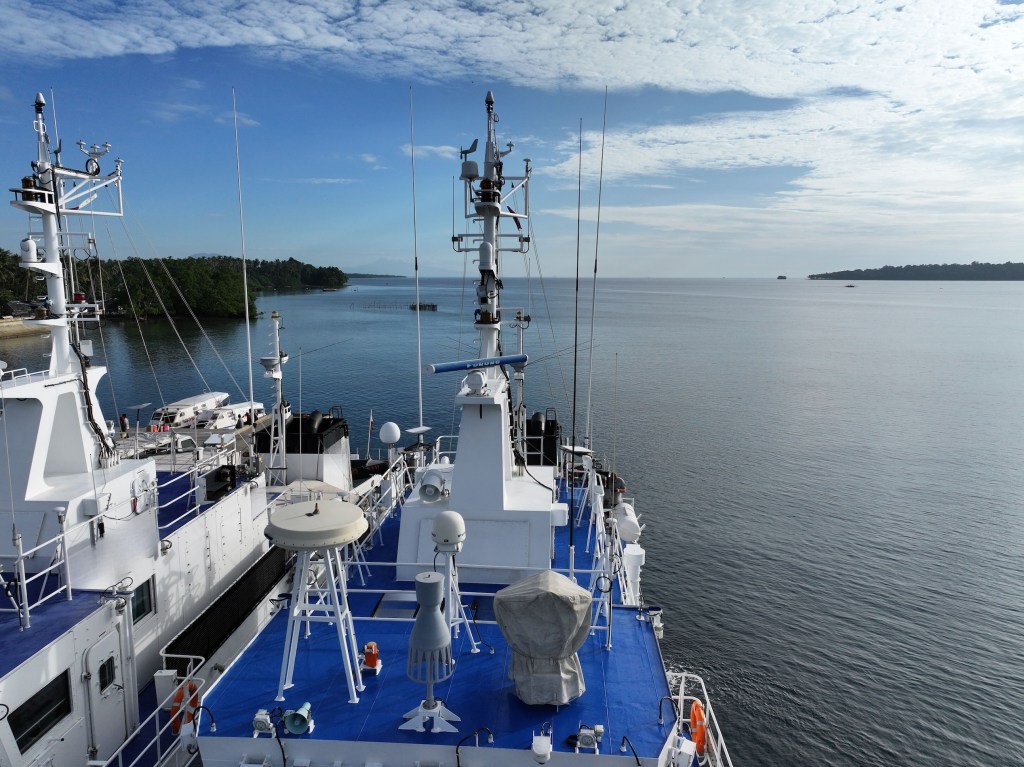
Quartermaster’s solution proposes a radical shift by deploying weather-hardened sensor packages directly onto ship masts. This forms a continuous, distributed sensing network, effectively building a maritime hive mind. Unlike passive location trackers, SmartMast integrates multiple data streams—including cameras and advanced radios—to create a rich, multi-layered profile of surrounding activity. The analytics platform interprets this torrent of raw feeds, moving far beyond simple latitude/longitude reporting toward genuine environmental intelligence.
Hardening Maritime Data Against Evasion
The inherent fragility of legacy maritime tracking systems poses systemic risks to global trade. If an operator wishes to obscure activity—whether for commercial smuggling or compliance avoidance—the existing infrastructure offers multiple avenues for failure. The transition from a voluntary, easily compromised system to a dense, persistent sensor web represents more than a software upgrade; it is a necessary hardening of the global shipping data layer.
The value proposition hinges on solving the scaling problem that has historically hampered marine intelligence projects. By creating a network effect built through deployment across multiple vessels, Quartermaster bypasses the prohibitive capital barriers associated with bespoke hardware solutions. This infrastructure capability allows for several novel applications:
- Assisting scientific research into deep-sea ecology.
- Providing crucial training data for autonomous marine robotics.
- Enhancing search and rescue capabilities by pinpointing vessel movements immediately following distress signals.
Building Network Value Through Operational Integrity
The significant financial backing behind this technology speaks volumes about the perceived market necessity of a reliable maritime hive mind. However, the true moat appears to be built less on the sensor hardware itself and more on the pro-mariner model Quartermaster champions. The company frames its mission around improving immediate operational safety—evidenced by documented assistance in numerous rescues—rather than solely focusing on revenue generation from shippers.
This focus creates an intrinsic incentive loop: better, safer operations lead to higher adoption rates among mariners themselves. As the market matures, the battleground shifts away from selling discrete sensors to convincing fleet operators that adopting this intelligence layer is integral to operational resilience and compliance assurance. The immediate future points toward an integration phase where data streams become so dense they effectively create a digital twin of global maritime activity.