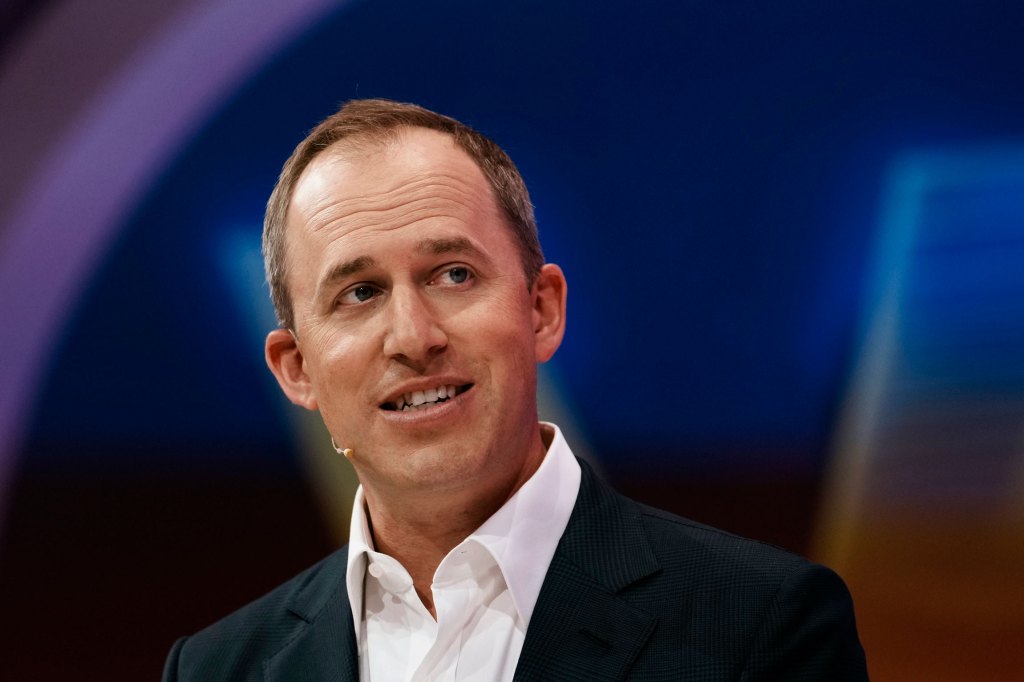
A massive workforce reduction is currently reshaping the battery recycling industry. As Redwood Materials loses COO Chris Lister, the company has also laid off approximately 135 employees—roughly 10% of its total staff.
Lister’s departure for retirement marks a significant shift for the company. His experience managing operations at Tesla's Nevada Gigafactory was central to Redwood's rapid scaling efforts and remains a major loss for the organization.
Management Turnover: Why Redwood Materials Loses COO and Key Leaders
The departure of Lister is not an isolated incident within the company’s upper management. Recent months have seen notable turnover among several high-level leaders who brought significant "Tesla DNA" to the startup.
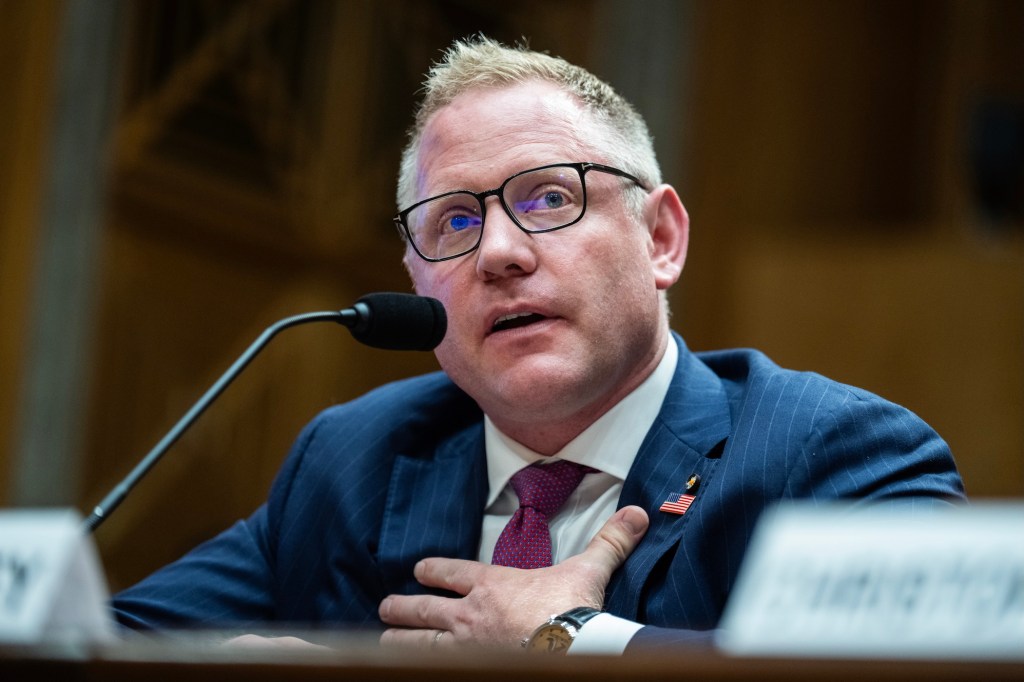
This trend includes the recent exit of Bradley Mayhew, the Vice President of Integrated Supply Chain, following the departures of Guillermo Urquiza in mechanical engineering and Carlos Lozano in manufacturing. This suggests a deliberate effort by CEO JB Straubel to flatten the organizational structure.
The news that Redwood Materials loses COO Lister is part of a broader strategy to reduce management layers that became redundant during rapid expansion. Lister himself saw a meteoric rise within the company, moving from Chief Supply Chain Officer in late 2023 to the COO role in 2024.
While the departure of these veterans might signal instability, the loss of the Redwood Materials loses COO era expertise is being framed as a strategic realignment. The goal is to trim overhead and ensure long-term fiscal sustainability.
Scaling for AI Infrastructure and Grid Demands
Despite the restructuring, Redwood is framing this movement as a pivot toward high-growth sectors. The company is increasingly focusing its resources on the burgeoning energy storage market, specifically targeting grid-scale applications.
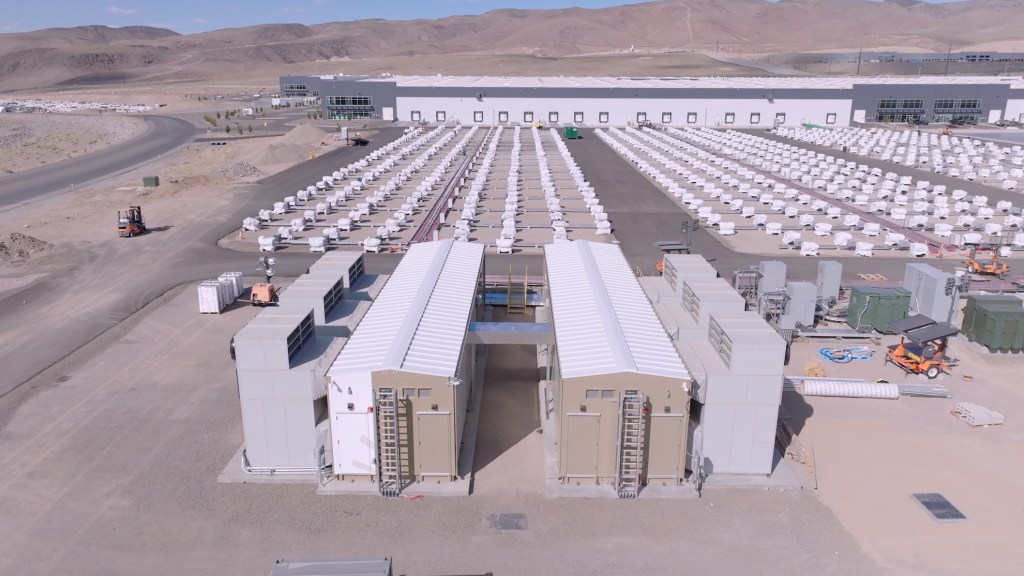
Recent agreements with Rivian and the AI infrastructure firm Crusorb highlight this shift. These partnerships involve providing refurbished batteries for grid storage, moving the company's focus from pure recycling to active participation in energy infrastructure.
As the demand for Artificial Intelligence grows, so does the need for stable, massive-scale power delivery. By repurposing batteries, Redwood is positioning itself at the intersection of the EV supply chain and the AI revolution.
Key Developments in Redwood’s Restructuring:
- Personnel Reductions: A reduction of approximately 135 employees (roughly 10% of the workforce).
- Executive Turnover: The loss of key leaders including Chris Lister, Bradley Mayhew, and Guillermo Urquiza.
- Strategic Partnerships: New agreements with Rivian and Crusoe for grid storage.
- Operational Reorganization: A focus on reducing management layers to support a leaner business model.
The Verdict on the Redwood Pivot
Redwood Materials finds itself at a critical juncture where the pressure to scale meets the necessity of fiscal discipline. By shedding management layers, the company is attempting to avoid the pitfalls that have led many competitors into bankruptcy.
The success of this restructuring depends on whether the remaining team can execute high-stakes contracts with automakers and AI firms without the previous executive tier. If Straubel successfully navigates this transition, Redwood may emerge as a more lethal competitor in the global battery ecosystem.