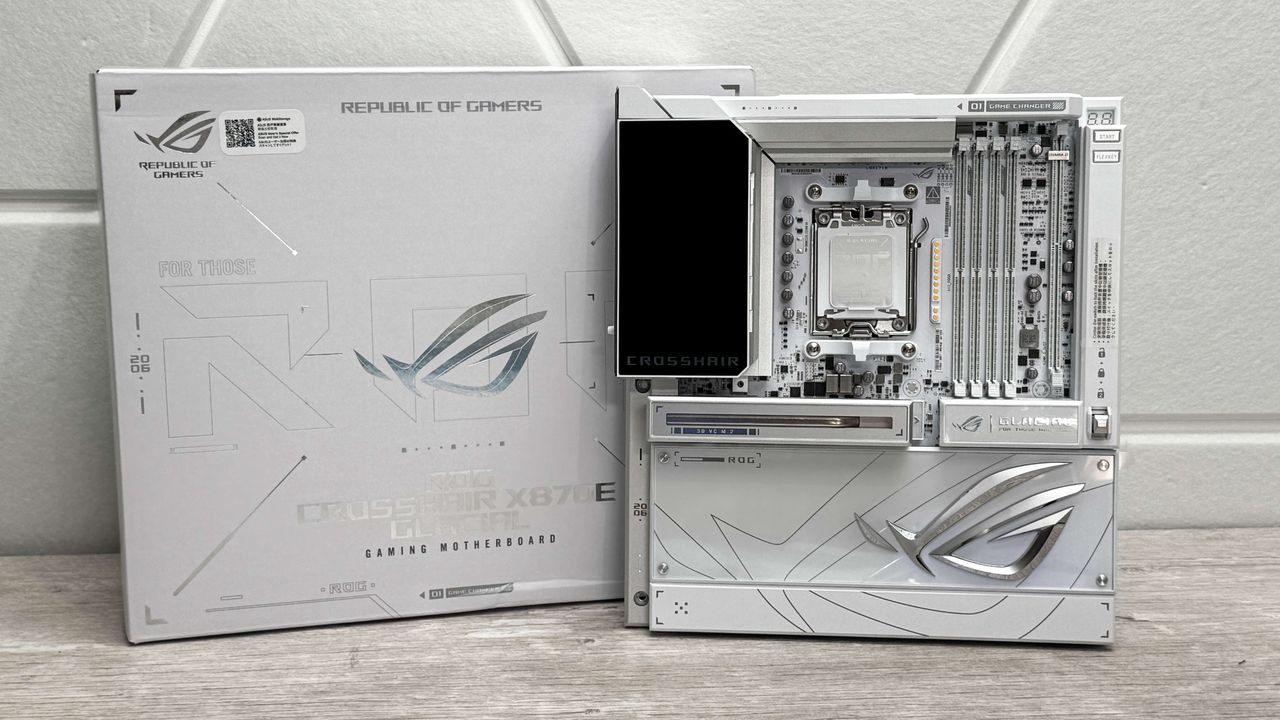
A new report from Digitimes suggests that motherboard manufacturers are currently facing a severe industry crisis. Driven by a combination of a global memory shortage and geopolitical instability, the PC hardware market is seeing a significant downturn in new system builds.
The report describes a "collapse" for several major players, suggesting the current situation is more dire than previous financial crises or the initial onset of the Covid-19 pandemic. Major manufacturers including MSI, Gigabyte, and ASRock are all projected to see declines in motherboard sales through 2026.
The Memory Crisis Driving Hardware Costs Up
A primary driver behind this decline is the ongoing memory crisis. As the demand for Artificial Intelligence (AI) continues to skyrocket, the industry's hunger for high-capacity memory is driving up prices across the board. This surge has made new DRAM kits prohibitively expensive for many enthusiasts.
The impact of these rising costs extends beyond just RAM:
- DRAM Pricing: Consumers are facing steep premiums, leading many to delay upgrades.
- Secondary Components: High memory demand is impacting the availability and pricing of graphics cards.
- GPU MSRP: It is becoming increasingly difficult for builders to find hardware at standard manufacturer suggested retail prices.
Jese Martinez from custom PC builder PowerGPU confirms these struggles, noting that it isn't just a minor price hike. "It's memory, it's storage, it's multiple things that are happening," Martinez stated. "And it's not just a few 100 bucks. Stuff is going up twice the price or three times the price."
Stagnant GPU Innovation and Shifting Market Demand
Beyond component costs, a lack of hardware incentive is contributing to the motherboard manufacturers crisis. According to Digitimes, there is noticeably lower interest in Nvidia's upcoming RTX 50 series due to a perceived lack of meaningful updates. Without the arrival of rumored mid-cycle refreshes like an "RTX 50 Super," the market lacks the technical stimulation required to drive high-end upgrades.
The data regarding industry leader Asus highlights the scale of the decline. While Asus sold approximately 15 million units in 2025, shipments dropped to just 5 million in the first half of 2026. The company is currently aiming for a total of 10 million units for the year—a figure that represents the lowest shipment volume seen in over a decade.
Can AI Save the Hardware Industry?
While the consumer gaming market is struggling, manufacturers are looking toward AI integration as a potential lifeline. Asus has indicated during its March earnings call that its high-end brand value and strategic shift toward AI-focused products could help it weather the current volatility. Similarly, Gigabyte and ASRock are pivoting their business models to capitalize on the massive profits being generated by the AI sector.
While the AI boom is responsible for unprecedented valuations in the tech sector—notably driving Nvidia toward a $5 trillion market cap—it presents a paradox for PC builders. The very technology driving the industry's growth is currently making the essential components of a gaming PC too expensive for the average consumer to afford.