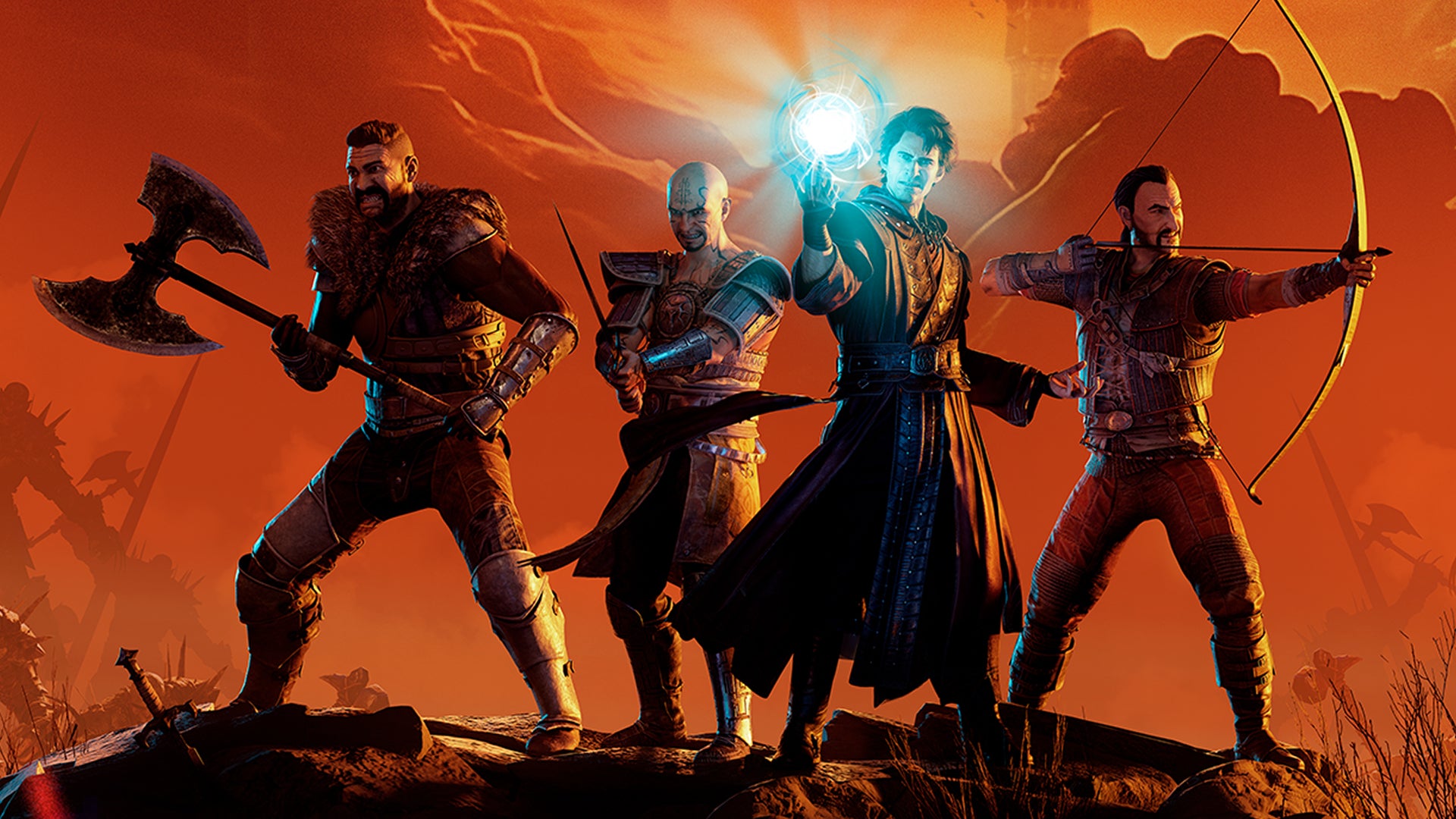
In this Saros review, we dive into Housemarque's latest third-person bullet-hell shooter. Much like their predecessor, Returnal, the game explores themes of repetition and internal conflict through its protagonist, Arjun. While it carries a familiar gameplay foundation, Saros attempts more ambitious narrative threads that occasionally leave some interesting elements unsatisfyingly hanging.
A Descent into Cosmic Horror
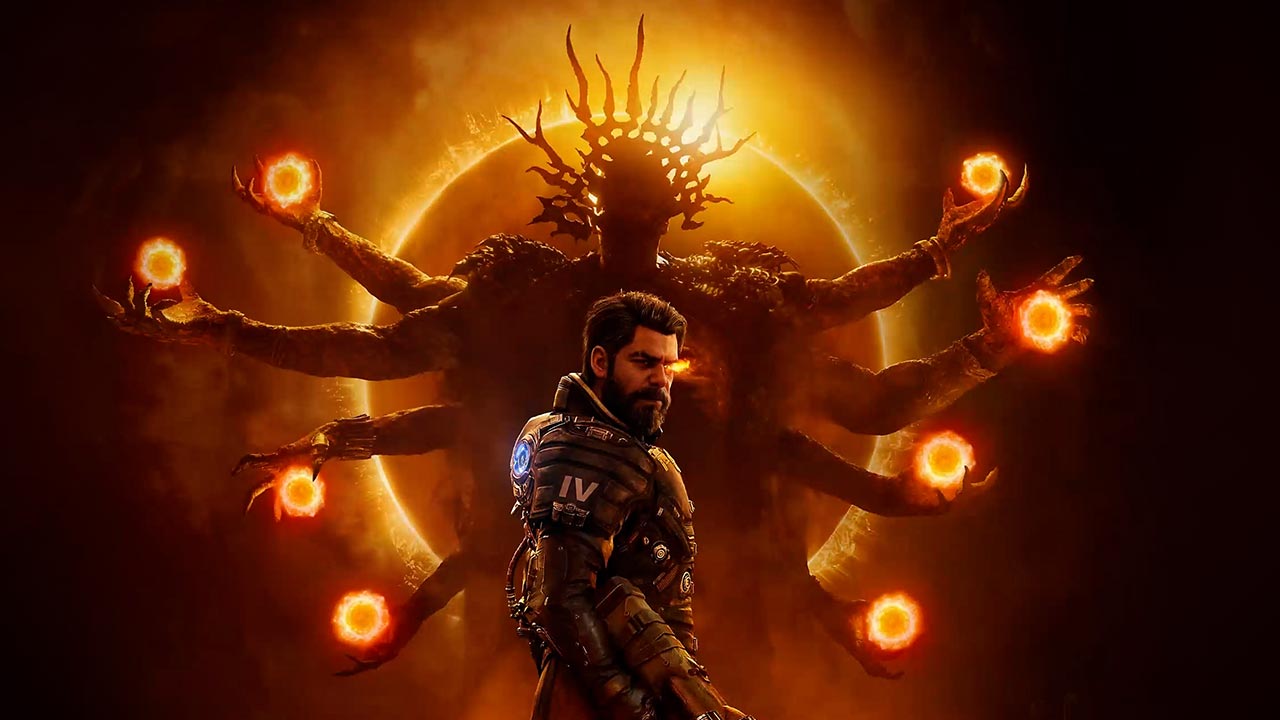
Arjun Devraj, voiced by actor Rahul Kohli, is an expeditioner for the space corp Soltari. His crew is tasked with investigating the disappearance of previous expeditions on the planet Carcosa. This world is riddled with biomechanical imagery and the gothic architecture of a lost alien civilization.
The science-fantasy setting draws heavy influence from Giger, creating a landscape that feels both alien and oppressive. The atmosphere evokes works like Heart of Darkness or Apocalypse Now, specifically as each solar eclipse turns the planet into a terrifying hellscape.
The narrative is also an adaptation of the 19th-century anthology "The King In Yellow" by Robert Chambers. As you progress, you must grapple with cosmic horror and Arjun's own deteriorating sanity. You are left to wonder about Soltari's true purpose and why Arjun continues to respawn without question.
Mastering the Combat in our Saros Review
Players navigate through multiple run-based levels that make up Carcosa. While the levels shift slightly with each run, the core loop remains focused on mastering relentless attack patterns. Each failed run serves as a vital training ground for your next attempt.
The combat relies on several distinct weapon types to keep encounters dynamic:
- Onslaught Rifle: A high-precision option that disables auto-aim entirely.
- Smart Rifle: A utility tool that homes in on targets to support high mobility.
- Pistols and Ripsaws: Reliable sidearms and late-game weapons that deal powerful damage-over-time.
Success requires constant processing of different projectile types. You must manage blue shots to fuel shields, parry red shots, and handle yellow shots that build Corruption to limit your max health. This high-intensity combat taps into a unique flow state similar to the best speedy shooters.
Tactile Feedback and DualSense Integration
The gameplay is balanced with a generous tracking system for aiming, making the experience feel closer to an arcade shooter. This Saros review notes that the game makes brilliant use of the DualSense controller's haptic feedback.
Players can physically feel the alternate fire modes via a half-trigger pull. Additionally, the wind-up of your Power ability is mapped to a full-trigger pull. These tactile cues are crucial for executing moves during chaotic encounters.
Progression and Permanent Upgrades
To reduce some of the friction found in Returnal, Saros focuses more heavily on permanent resources. At the home base hub area, players can work through a dedicated skill tree.
This system allows you to improve your health, shield potency, and rate of resource gathering. Certain branches can even boost weapon leveling, ensuring that each run contributes to long-term strength.