How Schematik Is Becoming the ‘Cursor for Hardware’
From Fuse-Blowing Experiments to $4.6 Million in Funding
Sitting at a cluttered workbench, the hum of a soldering iron fades as a chat window generates a complete bill of materials for a custom electronic device. You type a request for a mood lighting system, and the interface responds by outputting a wiring diagram, a list of compatible sensors, and step-by-step assembly instructions tailored to low-voltage architecture. This is the workflow Schematik promises to normalize: treating hardware construction with the same fluidity and speed as software development. Often dubbed the “Cursor for Hardware,” the platform bridges a massive gap between AI reasoning and physical engineering.
The genesis of the project lies in the chaotic intersection of amateur enthusiasm and unyielding physics. Samuel Beek, the Amsterdam-based creator behind the tool, learned the hard limits of AI-assisted hardware when a chatbot-generated design for an electric door opener caused a circuit surge that blew every fuse in his house. That incident highlighted a critical gap in the market: while AI tools like Cursor have revolutionized software engineering, the hardware side remains locked behind specialized knowledge and dangerous margins for error. The platform aims to bridge this divide by allowing users to vibe code physical objects. Instead of writing complex code, users describe their intent, and the tool suggests the necessary components and assembly guide.
The project quickly gained momentum, attracting $4.6 million in funding from Lightspeed Venture Partners and drawing attention from industry veterans like Marc Vermeeren. Vermeeren has used the platform to build custom devices like "Clawy," a Tamagotchi-style bot designed to manage coding sessions. This rapid adoption underscores a growing desire among tinkerers to bypass the traditional gatekeeping of electronics design. By converting natural language descriptions into actionable hardware blueprints, Schematik effectively lowers the technical threshold for building functional physical products.
Anthropic’s Strategic Entry Into Maker Hardware
Connecting Claude to Physical Devices
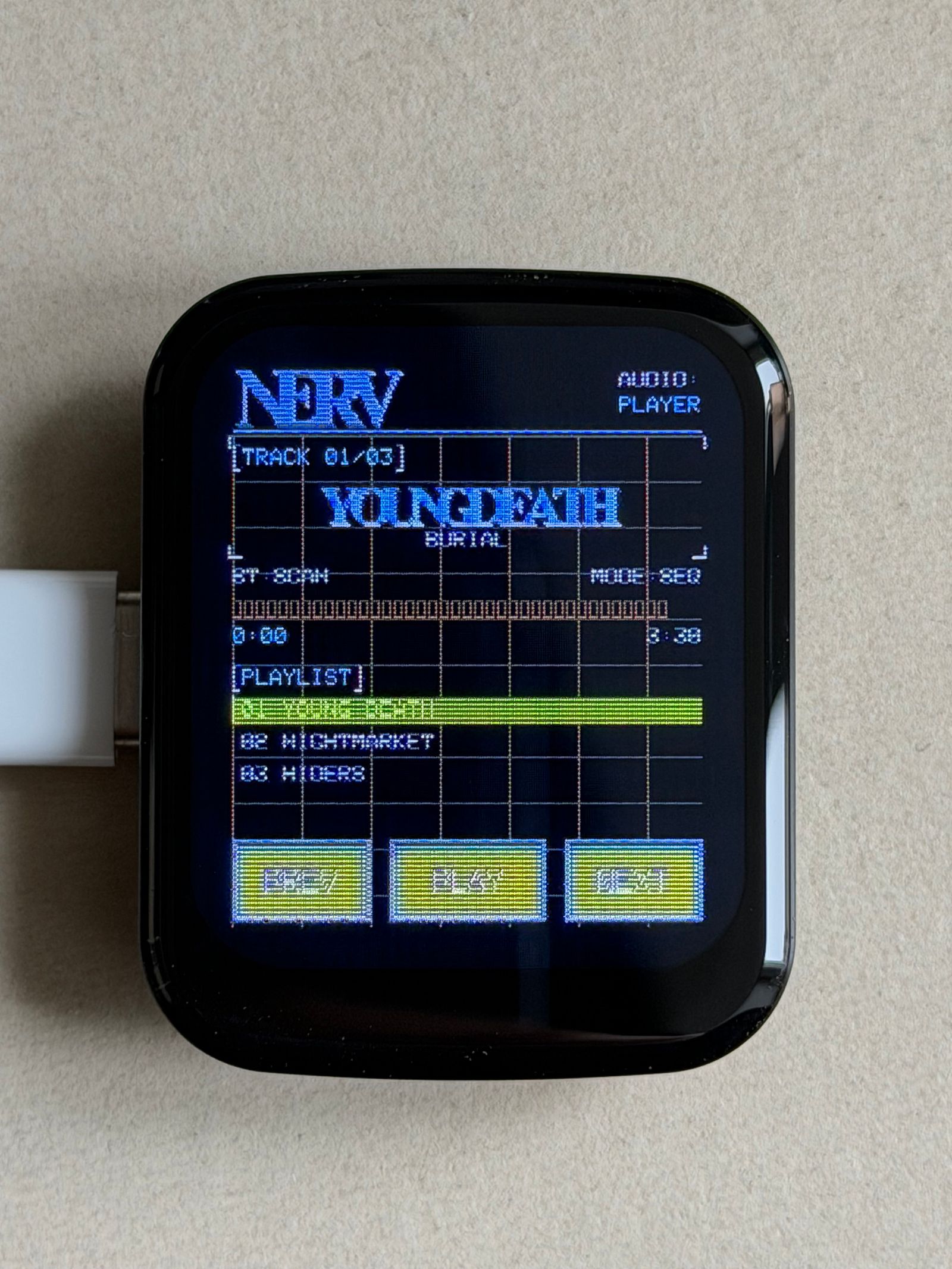
The momentum behind this new tool has prompted direct action from the AI incumbents. Anthropic engineer Felix Rieseberg recently announced the enablement of a Bluetooth API designed to allow developers to build hardware devices that interact directly with Claude. This move signals a significant shift from software-centric AI to a hybrid ecosystem where the cloud model manages the logic of physical peripherals. The API enables tinkerers to bypass the friction of connectivity protocols, focusing instead on the creative output of the device.
This development aligns with a broader industry trend where major AI firms are pushing deeper into tangible tech, ranging from OpenAI's hardware ambitions to specialized wearables. Kyle Wiens of iFixit observes that electronics design remains a super hard problem due to the complexity of SKUs and compatibility, suggesting that AI's ability to scale this data could finally lower the barrier to entry for consumer electronics. The integration of these capabilities hints at a future where hardware design is accessible to anyone with a clear vision.
The Risks and Realities of AI-Driven Electronics Design
Navigating Safety, Compatibility, and Market Shifts
As Schematik and similar tools lower the barrier to entry, the industry must confront the unique risks of AI-generated hardware. In software, a bug might crash an app; in hardware, a wiring error can damage components or pose safety hazards. Beek addresses these concerns by restricting the system to low-voltage architectures, typically three or five volts, which are sufficient for IoT devices but minimize the risk of catastrophic failure. The comparison to software vibe coding carries weight here, as LLMs must adhere to the immutable laws of physics when generating schematics.
Key considerations for the future of AI-assisted hardware include:
- Component Compatibility: AI models must accurately map digital requests to real-world part numbers and electrical specifications to ensure functional devices.
- Safety Constraints: Current iterations focus on low-voltage environments to prevent electrical hazards during the prototyping phase.
- Scalability: The integration of shopping lists and investor backing suggests a move toward a commercial ecosystem for AI-assisted manufacturing.
The five years leading up to Schematik's rise have seen software development accelerate exponentially, while hardware prototyping has largely stagnated in the realm of traditional engineering. These capabilities, backed by the integration of Claude's API, threaten to disrupt this status quo. The convergence of AI reasoning with physical construction capabilities could empower a new generation of makers, turning the “Cursor for Hardware” from a novelty into a standard instrument of creation. Whether this leads to a renaissance of accessible technology or a flood of untested prototypes remains to be seen, but the door for AI-driven hardware development has undeniably swung wide open.