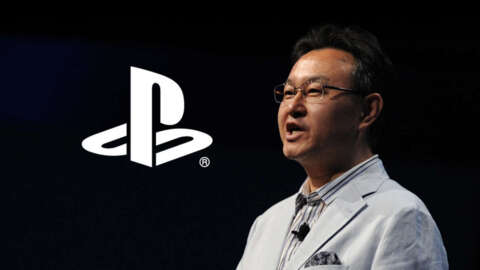
PlayStation icon Shuhei Yoshida plays at least 250 games every year, a massive undertaking that offers a unique perspective on the industry. While this allows him to witness the evolution of various titles during development, it presents a significant challenge. Ultimately, Shuhei Yoshida sees gaming's future as indie because the sheer volume of his annual playtime makes finishing massive AAA productions nearly impossible.
The Time Constraint of AAA Development
For Yoshida, playing hundreds of games a year is a double-edged sword. While he enjoys seeing how different titles evolve over their development cycles, the length of modern blockbusters creates a barrier. "I no longer play AAA games because they take too much time," he says.
The scale of these productions makes it difficult to maintain momentum across his massive library. Even when a title has personal significance, the commitment required is often too high.
Struggles with Major Franchises
Yoshida’s difficulty with large-scale titles is evident in his recent gaming habits. A few notable examples include:
- Ghost of Yotei: Following his involvement with Ghost of Tsushima, Yoshida began playing this sequel but was unable to reach the end.
- Nioh 3: Despite a deep love for the previous two installments, finding the time to complete this title remains a struggle.
Why Shuhei Yoshida Sees Gaming's Future As Indie
Beyond the issue of playtime, Yoshida believes indie games possess a superior creative resolve. He argues that the lack of corporate interference allows for a much purer experience. "You can feel the game developer's vision in indie games because indie developers don't have to ask for approvals," Yoshida says.
This stands in stark contrast to the traditional AAA workflow. Reflecting on his time at a major studio, he noted that even when developers propose their own ideas, the process is often diluted by bureaucracy. "I used to work at a large company at PlayStation, and even though we are allowed to have the developer and studio propose what games to make, there are many people involved," he explained.
Because of this lack of oversight in smaller studios, Shuhei Yoshida sees gaming's future as indie being driven by much more distinct, uncompromised artistic visions.