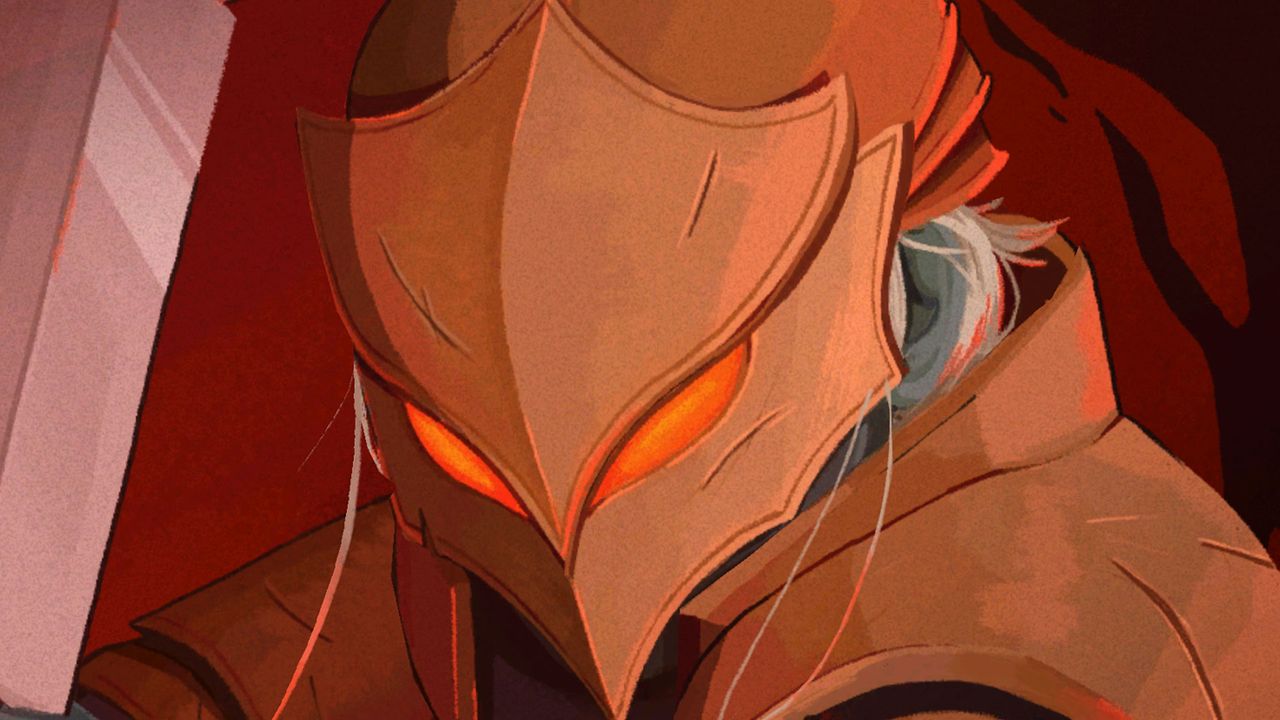
The pressure of following up a masterpiece is immense for any Slay the Spire 2 dev. After the original title secured PCG's Best Design award, Casey Yano—co-founder of Mega Crit Games and co-creator of the hit—found himself facing the monumental task of evolving a nearly perfect formula. In a recent interview with Edge magazine, Yano shared the design hurdles currently shaping the sequel.
Lessons for a Slay the Spire 2 dev
Finding a new direction is notoriously difficult when the starting point is already so polished. To tackle this, the Slay the Spire 2 dev team looked toward FromSoftware's Dark Souls series for inspiration. Yano aimed to replicate how players can utilize familiar character builds while encountering entirely different obstacles.
"If you say 'I'm going to make a katana build' you can make essentially the same exact character again in Dark Souls 2 and 3—you're just up against new challenges," Yano explained. "I like that, personally."
Why Players Rejected a Reduced Card Pool
During early development, the team experimented with a different strategy: reducing the percentage of returning cards for certain characters. The intention was to shift the focus toward environmental hurdles rather than overwhelming players with massive amounts of new mechanics. However, this experiment failed during playtesting.
According to Yano, the community's response was immediate and clear: "They were not jiving with that at all: 'We need new stuff!'" Consequently, the project has pivoted to include much more new content than originally envisioned for the early stages.
Key Design Pillars for the Sequel
To ensure the sequel succeeds, the team is focusing on several core pillars:
- Content Expansion: Moving away from a reduced pool to provide fresh card variety.
- Mechanical Familiarity: Balancing the comfort of known builds with new challenges.
- Definitive Endpoints: Ensuring runs feel meaningful without relying on infinite scaling.
Avoiding the Pitfalls of an "Infinite Mode"
While expanding content, the Slay the Spire 2 dev team is careful not to break the core gameplay loop. When asked about the possibility of an "infinite mode," Yano expressed skepticism regarding how mechanics scale over long periods. He even pointed to Balatro as a benchmark for successful scaling.
"Probably not, the deckbuilding gets less exciting the longer a run goes on," Yano stated. "I think games like Balatro do a better job due to infinite strategies being possible less often. The scaling of their game's mechanics feels more natural—whereas it's not really the case for us."