The rapid expansion of cloud computing has fundamentally altered energy demand dynamics, forcing tech giants to reconcile massive operational growth with ambitious sustainability commitments. This tension is currently at a breaking point as Microsoft’s AI data center push begins to collide with its established clean power goals.
The Challenge of Microsoft’s Clean Energy Pledge
Microsoft has set an industry-leading benchmark: matching 100% of its hourly energy consumption with renewable sources by 2030. Unlike standard annual carbon offsets, this hourly matching requirement demands real-time alignment between energy supply and demand.
To achieve this, the company must coordinate constantly with utilities, implement dynamic load shifting, and invest heavily in localized renewable generation. This strategy is designed to accelerate grid decarbonization, but it places immense pressure on existing infrastructure.
How AI Data Centers Strain Existing Frameworks
The rise of generative AI has introduced unprecedented spikes in power consumption. Unlike traditional server traffic, AI workloads involve intensive training cycles and inference requests that demand continuous, high-scale processing. These processes cannot tolerate the delays often associated with intermittent renewable energy.
As a result, Microsoft is facing a critical crossroads regarding its 2030 goal. Internal discussions suggest a potential reassessment of whether capital should be prioritized for:
- Accelerated renewable procurement to maintain the hourly matching standard.
- Pragmatic grid integration that allows for brief periods of non-renewable reliance during peak demand.
Operational Trade-offs and Stakeholder Implications
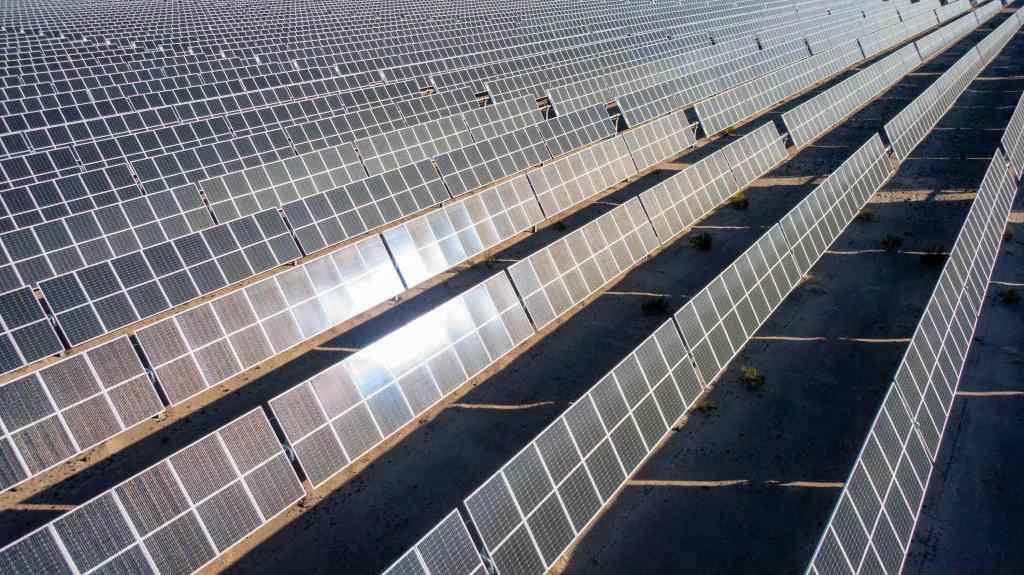
Maintaining the original 100% hourly target requires massive investment in distributed storage, on-site solar arrays, and advanced battery systems to bridge energy shortfalls. However, relaxing these requirements presents its own set of risks. While it could free up capital for faster deployment, it could also erode public credibility and invite scrutiny from ESG-focused investors.
The following factors are central to the current debate:
- Grid-balancing technologies: Hourly targets incentivize innovations that smooth out renewable intermittency.
- Carbon accounting complexities: New natural gas contracts introduce concerns regarding emissions disclosures.
- Transparency and trust: Consistent, transparent reporting is vital for maintaining stakeholder confidence.
- Long-term resilience: Innovation in energy management may offset high upfront costs through improved stability.
The Future of Sustainable AI Infrastructure
Moving forward, Microsoft may need to pursue hybrid solutions, blending advanced forecasting tools with modular renewable assets to minimize fossil fuel backups. Strategic partnerships with utilities for dynamic pricing could also unlock cheaper clean power during peak windows.
Ultimately, the success of Microsoft’s AI data center push will set the tone for the entire tech sector. If the company can intelligently integrate large-scale AI infrastructure within evolving energy ecosystems, it could redefine corporate climate accountability. However, failing to reconcile growth with green realities risks undermining long-term strategic objectives and global trust in the transition toward net-zero.