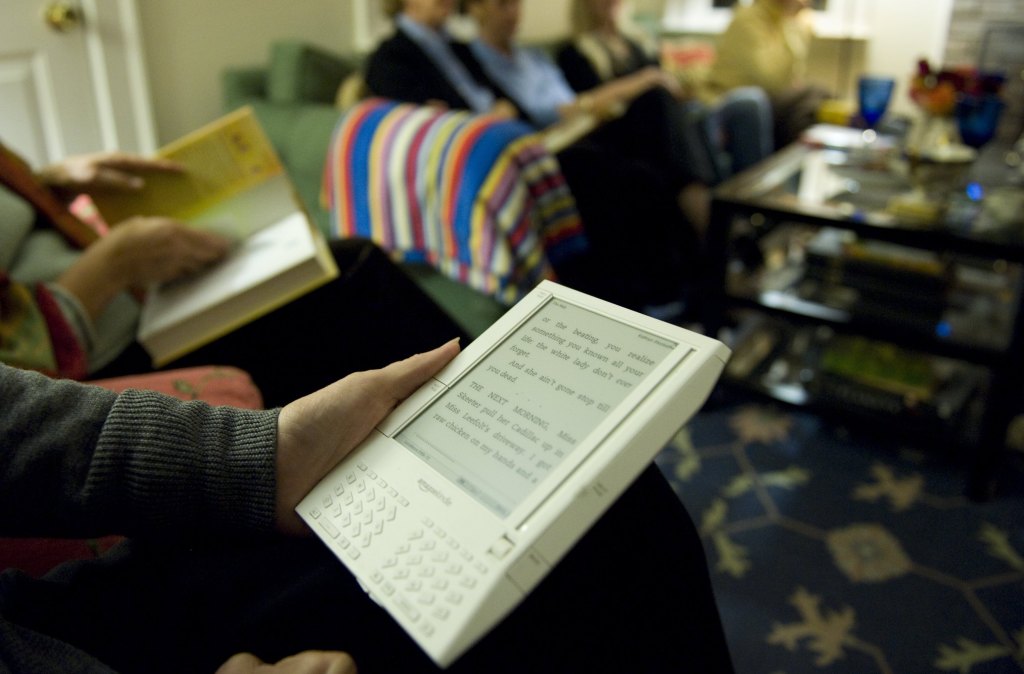
The decision by Amazon to cease technical support for a decade-old generation of Kindle devices has triggered a measurable surge in technical tinkering among longtime owners.
The shift marks a pivotal moment for e-reader communities, as the end of official updates compels users to explore alternative methods to extend device lifespans. This trend intersects with broader discussions around digital ownership, software longevity, and consumer rights in an increasingly closed ecosystem.
Kindle Models Affected by End-of-Support Transition
- Core Product Line: Kindle 1st Generation through Kindle Touch encompass nearly two decades of continuous service, now culminating in the May 20 deadline for remaining maintenance.
- Premium Segment: Higher-spec models like DX Graphite and Paperwhite 1st Generation join legacy devices, creating a diverse portfolio now facing discontinuation of core features.
- Fire Family: Includes first- and second-generation Fire tablets integrated into the support cut-off, alongside Fire HD 7/8.9 variants targeting budget-conscious readers.
The Mechanics Behind Jailbreaking Older Kindles
Jailbreaking circumvents Amazon’s proprietary constraints, enabling custom software installations that enhance functionality beyond baseline capabilities. The process typically involves:
- Network Isolation: Disabling Wi-Fi or switching to airplane mode prevents automatic updates and remote intervention.
- Source Acquisition: Downloading reputable packages from established forums like MobileRead Forum reduces exposure to malicious code.
- Installation Workflow: Transferring .bin files via USB, triggering specific commands such as “;log mrpi,” initiates the unlocks necessary for deeper system access.
- Launcher Deployment: Tools like Kindle Unified Application Launcher (KUAL) facilitate app integration and customization without altering core firmware.
Risk Profile and Operational Considerations
While jailbreaking offers expanded utility, it introduces notable hazards that demand careful evaluation before proceeding:
- Device Stability: Improper execution may render hardware inoperable, potentially nullifying warranty coverage under Amazon’s original terms.
- Compatibility Limitations: Certain models lack support due to encryption layers or firmware restrictions, requiring pre-installation audits.
- Battery Degradation: Third-party applications often increase power draw, accelerating wear on aging batteries.
Legal and Ethical Boundaries
The practice exists within a complex regulatory landscape. In many jurisdictions, personal jailbreaking remains permissible under digital privacy statutes, but complications arise if distribution or modification involves copyrighted material without authorization. Practitioners should remain cognizant of jurisdictional nuances and avoid commercial exploitation unless explicitly authorized.
Alternative Strategies for Content Preservation
Sideloading represents a safer counterpoint to full jailbreaking. Users can transfer purchased files directly via USB without altering operating software, preserving core features while sidestepping exposure to risky modifications. Additionally, ecosystem alternatives such as Boox Palma or Vivlio provide updated platforms with longer support timelines, offering viable replacements for those seeking sustained investment returns.
The convergence of hardware deprecation and user ingenuity underscores a larger conversation about sustainable technology consumption. As manufacturers accelerate product cycles, communities respond by reclaiming control through technical adaptation, reshaping expectations around longevity in consumer electronics.