Solar power is slated to achieve dominance as the primary global energy source by 2035, according to recent industry analysis. This monumental clean energy shift represents a massive pivot for the planet, yet it will not render legacy power generation methods obsolete. Instead, the insatiable appetite of AI data centers ensures that fossil fuels retain a significant role in the mid-century energy mix.
The convergence of falling solar costs and exponential digital computation demand presents an energy conundrum where technological progress meets entrenched infrastructure dependency. While the transition to renewables is accelerating, the sheer scale of modern computing creates a massive, constant draw on global power grids.
Solar Lifts Through Declining Costs to Market Leadership
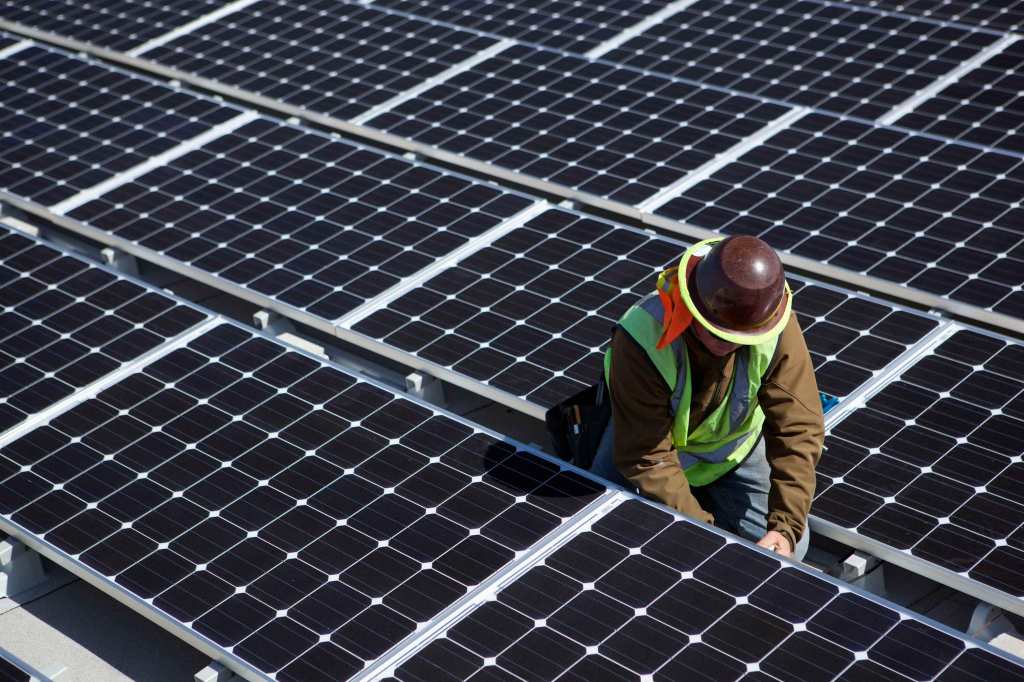
The economic calculus behind renewable energy deployment has become undeniable. Photovoltaics are achieving cost curves that are nearly impossible for traditional energy incumbents to match. By 2035, projections suggest solar generation will surpass coal and natural gas in overall output, a trajectory fueled by aggressive manufacturing scaling and industrial policies favoring clean tech adoption.
This dramatic reduction in the Levelized Cost of Energy (LCOE) is not merely cyclical; it represents a fundamental restructuring of global power procurement. Several key trends are driving this shift:
- The falling cost curve for PV modules demonstrates an acceleration beyond simple capacity doubling, outpacing historical trends.
- By 2050, solar energy is modeled to generate more than double the electricity output currently projected for natural gas sources.
- Grid instability from solar surplus in regions like Spain and Italy has catalyzed the rapid development of hybrid renewable power plants incorporating large-scale battery storage solutions.
The Unprecedented Energy Sink: AI Data Centers
The primary variable complicating the clean energy transition is the burgeoning demand profile created by artificial intelligence workloads. Training massive, multimodal models requires computational density that strains existing electrical grids in unprecedented ways. These facilities are not merely adding load; they are fundamentally changing the type of power required—a persistent, 24/7 high-draw requirement that bypasses historical usage patterns.
The sheer scale of planned data center capacity forces a reliance on reliable baseload generation sources for continuous operation. While solar and batteries dominate daytime supply, AI's constant need for processing power dictates which fallback options remain viable through the coming decades.
Key demands driving continued fossil fuel viability include:
- Continuous uptime requirements: 24/7 operation is essential for mission-critical AI services.
- High power density: Demand for predictable, immediate supplemental generation capacity.
- Infrastructure inertia: Global transmission infrastructure is often too slow to adapt to purely intermittent sources alone.
Grid Integration: Bridging Renewables and Baseload Needs
The coming decades will be defined by the messy integration of two opposing forces: the plummeting cost curve of solar versus the unwavering baseline draw of AI data centers. While massive investments are flowing into energy storage solutions, bridging the gap between intermittent renewables and constant digital demand requires more than just batteries.
Analysts point to several strategic pathways that will dictate which energy sources survive beyond 2040:
- The development of advanced long-duration energy storage, moving beyond current lithium-ion limitations.
- Regulatory frameworks that mandate flexibility, allowing data centers to participate in demand response programs.
- Strategic investment into existing fossil fuel infrastructure for conversion or co-location with renewables.
The consensus suggests a complex coexistence model. Solar will set the price floor and define the majority of daytime generation capacity, but gas and coal—specifically their ability to provide dispatchable power around the clock—will anchor grid stability for the world's most demanding computational centers. The transition isn't one clean energy switch; it’s a multi-decade infrastructure retrofit managed by an unprecedented concentration of capital expenditure from Big Tech.