SpaceX Scrubs First Starship V3 Launch Just Before Liftoff
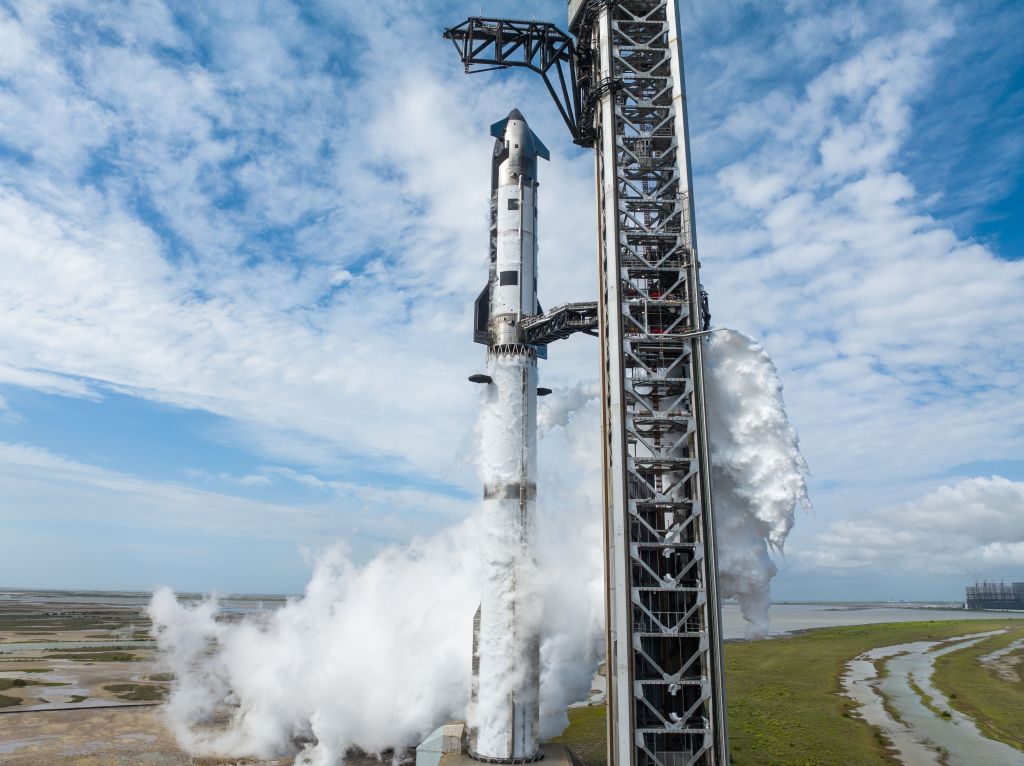
The highly anticipated debut of Starship V3 has been halted just moments before liftoff, marking another pivotal moment in the aerospace giant's relentless pursuit of orbital reliability. SpaceX scrubbed the first test flight of its third-generation super heavy-lift vehicle, underscoring the immense complexity involved in perfecting fully reusable rocketry.
While the cancellation may frustrate observers eager to see the upgraded stack in action, it highlights a critical phase in the development cycle: rigorous pre-flight diagnostics. The scrub was not due to a catastrophic failure of the hardware itself, but rather a procedural safeguard triggered by ground support equipment issues.
Analyzing the V3 Hardware Upgrades
The third generation of Starship represents a substantial leap forward from its predecessors, incorporating design philosophy changes intended to boost reliability across multiple subsystems. Significant attention was paid to refining the Raptor engines, integrating more thrust into a physically streamlined architecture meant to enhance overall vehicle integration.
Furthermore, engineers addressed known vulnerabilities, most notably developing mechanisms designed to prevent propellant seepage within the upper stage structure that plagued earlier test flights. These refinements are not merely cosmetic; they are essential for establishing an unprecedented level of operational maturity in deep-space transport hardware.
The structural modifications are notable; for instance, the third-gen Starship booster reportedly features an altered grid fin configuration. This change is engineered to interact more smoothly with the launch tower during recovery procedures. These incremental yet critical design revisions aim toward a singular goal: achieving full reusability across both stages, mirroring the operational model perfected by vehicles like the Falcon 9.
The Operational Hurdles Before Liftoff Confirmation
The scrubbing of the V3 attempt just prior to T-minus zero underscores the inherent complexity of testing revolutionary systems under extreme duress. When countdown sequences stall at critical thresholds, pinpointing the root cause becomes a time-sensitive diagnostic challenge for the ground crew.
In this specific instance, reports centered on electromechanical failures. Specifically, issues with the hydraulic pin meant to secure the launch tower arm prevented the final sequence from proceeding. This type of failure is common in the early stages of new vehicle testing, where ground support infrastructure must be perfectly synchronized with the rocket's ignition and release protocols.
The overall test protocol remains highly iterative, meaning that even successful attempts do not equate to mission completion. The current goals are strictly focused on proving out core hardware functionality:
- Booster Recovery: A planned demonstration of controlled descent into the Atlantic Ocean.
- Starship Stage Landing: Testing the terminal phase guidance systems over open water.
- Payload Delivery: The next major hurdle involves lofting and deploying a functioning, revenue-generating satellite constellation payload.
Commercial Imperatives Driving Rocket Development Cycles
The underlying financial necessity fueling these high-stakes test campaigns cannot be overstated; they are directly tethered to the commercial viability of SpaceX's broader ecosystem. Starlink’s demonstrated success in generating billions in annual revenue positions Starship not merely as a launch vehicle, but as an infrastructural backbone for future services.
The timeline pressure intensifies following corporate milestones such as anticipated Initial Public Offerings (IPOs). Demonstrating consistent, demonstrable progress with the next-generation stack is crucial for investor confidence and sustaining the massive capital expenditure required for these endeavors. While Starship has successfully deployed placeholder satellites in previous flights, transitioning to a fully operational system capable of lifting paying customers into orbit remains the ultimate metric of success.
The pattern established by this scrub—a technical failure requiring immediate diagnosis followed by a rescheduled attempt—is characteristic of pioneering aerospace ventures operating at the cutting edge of physics and engineering capability. The company has proven its capacity for rapid iteration, turning setbacks into data points.
Until Starship V3 can reliably achieve orbital insertion with operational payloads, the system remains an extraordinarily advanced testbed rather than a fully realized commercial workhorse. However, every scrub merely delays the inevitable march toward orbit, bringing the vision of multi-planetary infrastructure one step closer to reality.