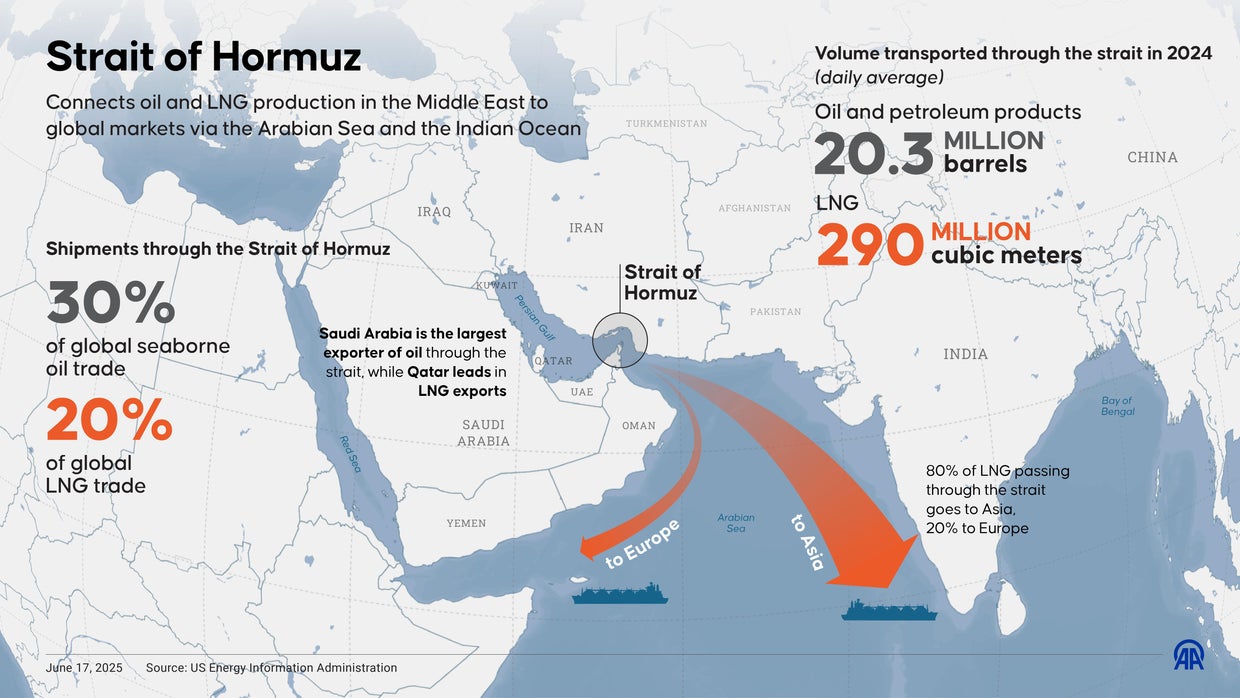
The global energy market is facing a digital shadow war within one of its most vital chokepoints. As the volume of disappearing ships in the Strait of Hormuz increases, marine insurers and oil traders are scrambling to understand the true state of maritime traffic. The culprit? A growing wave of spoofed tankers using sophisticated electronic deception to mask their identities and locations.
The Rise of Spoofed Tankers in Critical Waterways
Maritime security is no longer just about physical protection; it is increasingly a battle over data integrity. Spoofed tankers operate by manipulating Automatic Identification System (AIS) signals, making a vessel appear to be in one location while it is actually navigating elsewhere. This tactic is being used to bypass sanctions, hide illegal oil transfers, or obscure the movements of high-value assets.
For those monitoring the global supply chain, this digital fog creates massive operational risks. The implications for the shipping industry include:
- Insurance Volatility: Marine insurers struggle to accurately assess risk when vessel locations are unreliable.
- Trade Disruption: Oil traders face uncertainty regarding actual cargo volumes moving through the strait.
- Regulatory Evasion: Sanctioned entities use spoofing to blend into legitimate traffic patterns.
- Navigational Hazards: Misrepresented data can lead to collisions or unexpected congestion in narrow shipping lanes.
How Analysts Track Disappearing Ships
As traditional tracking methods falter, industry experts are getting creative to combat the surge of deceptive maritime data. Because standard AIS signals can be easily manipulated, analysts are shifting toward a multi-layered approach to verify vessel activity.
To identify these spoofed tankers, specialized intelligence firms are integrating several high-tech verification methods:
- Synthetic Aperture Radar (SAR): Using satellite imagery that can "see" through clouds and darkness to confirm if a physical ship exists where the AIS signal claims it is.
- Optical Satellite Imagery: Providing visual proof of vessel identity and cargo type.
- Signal Pattern Analysis: Identifying anomalies in radio frequency emissions that suggest electronic interference or spoofing.
- Cross-Referencing Data: Comparing AIS data against port records and fuel bunkering logs to spot inconsistencies.
Protecting Global Energy Security
The stability of the Strait of Hormuz is essential for maintaining consistent global oil prices and energy security. When tankers engage in deceptive practices, they don't just hide their own movements—they degrade the quality of data that the entire world relies on.
As the frequency of these digital deceptions grows, the reliance on advanced maritime intelligence will only increase. For insurers and traders, staying ahead of spoofed tankers is no longer optional; it is a fundamental requirement for navigating the modern geopolitical landscape.