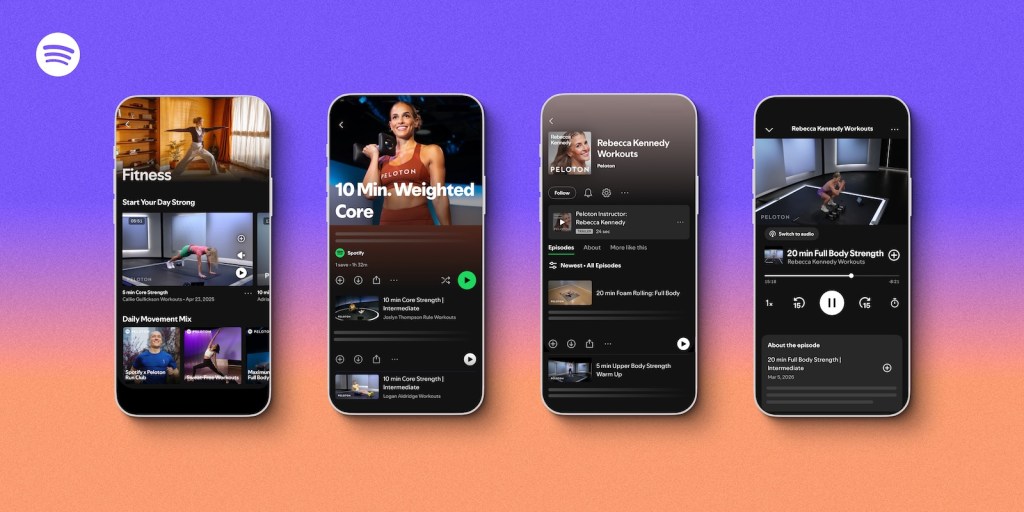
The rhythmic pulse of a heavy bassline transitions into the steady, instructional cadence of a yoga instructor as a runner adjusts their stride. This shift represents more than just a change in audio track; it marks the beginning of Spotify’s transformation from an audio streaming service into a comprehensive wellness platform. By launching its new Fitness hub, the streaming giant is officially expanding its library of fitness content to meet growing user demands.
Expanding the Ecosystem with New Fitness Content
The move aims to capture a demographic that already relies on the app for workout motivation but currently lacks the instructional guidance to complete a full session within the interface. Spotify's strategy leverages its existing dominance in the music space to bridge the gap between listening and physical activity. Through the new hub, users can access both audio-centric sessions and full-scale video content.
This expansion is available across mobile, desktop, and smart TV interfaces, allowing for a seamless transition from high-tempo training tracks to guided instruction. The rollout includes a critical feature for athletes: the ability to download content for offline use in areas with poor connectivity. While currently available in English, expansion into Spanish and German is already underway.
The Creator Ecosystem and Peloton Integration
The backbone of this new vertical relies on massive industry players and niche wellness authorities. A marquee partnership with Peloton provides Premium users in specific markets access to over 1,400 ad-free, on-demand workout classes. These sessions cover various disciplines, including:
- Strength training and high-intensity cardio
- Yoga and guided meditation
- Pilates focused on core stability
- Running coaching and endurance drills
Beyond Peloton, the platform has onboarded a diverse roster of established digital creators. Names like Chloe Ting, Yoga With Kassandra, Sweaty Studio, and Caitlin K'eli Yoga bring their massive social media followings directly into the Spotify interface.
This strategy effectively converts existing "playlist listeners" into active "content participants" via the Spotify Partner Program. For these creators, the move offers a way to leverage Spotify’s massive reach and monetization tools to build more sustainable businesses through high-quality fitness content.
Navigating the Risk of Platform Bloat
Spotify’s decision is heavily backed by internal usage metrics. The company identified that nearly 70% of its Premium subscribers engage in monthly workouts, supported by a staggering library of over 150 million fitness-related playlists. Furthermore, the recent success of AI-driven features, such as the Prompted Playlist tool, suggests users are looking for more intelligent, context-aware fitness content.
However, the expansion into video introduces a significant risk of app bloat. For users who value Spotify as a streamlined, lightweight tool, the addition of heavy video assets could feel intrusive.
The company has recently introduced options to turn off video across the app, suggesting an awareness of this potential friction. If Spotify can successfully balance this new utility with its core identity, it may well redefine what it means to be a streaming service in an increasingly multi-modal digital landscape.