Star Wars: Galactic Racer's Design Borrows Heavily from Slay the Spire
Star Wars: Galactic Racer is a game that defies easy categorization. While it features iconic characters and tracks from the beloved podracing mechanics of Star Wars: Episode I – Racer, the developers at Fuse Games are quick to clarify that this is not a direct sequel. Instead, it's a broader exploration of racing within the Star Wars universe, featuring multiple types of vehicles and racing styles. This distinction, while initially seeming like a minor detail, becomes increasingly significant as you delve into the gameplay.
The campaign mode of Galactic Racer has more in common with Slay the Spire than with traditional racing games. While Slay the Spire is known for its card-based strategy and roguelike elements, Galactic Racer applies a similar structure to high-speed racing. Players are not just racing—they're making decisions that impact their progress, their build, and their overall strategy. As Fuse Games' creative director, Kieran Crimmins, explained, the goal was to add "real consequence" to each race.
A Roguelike Twist on Racing
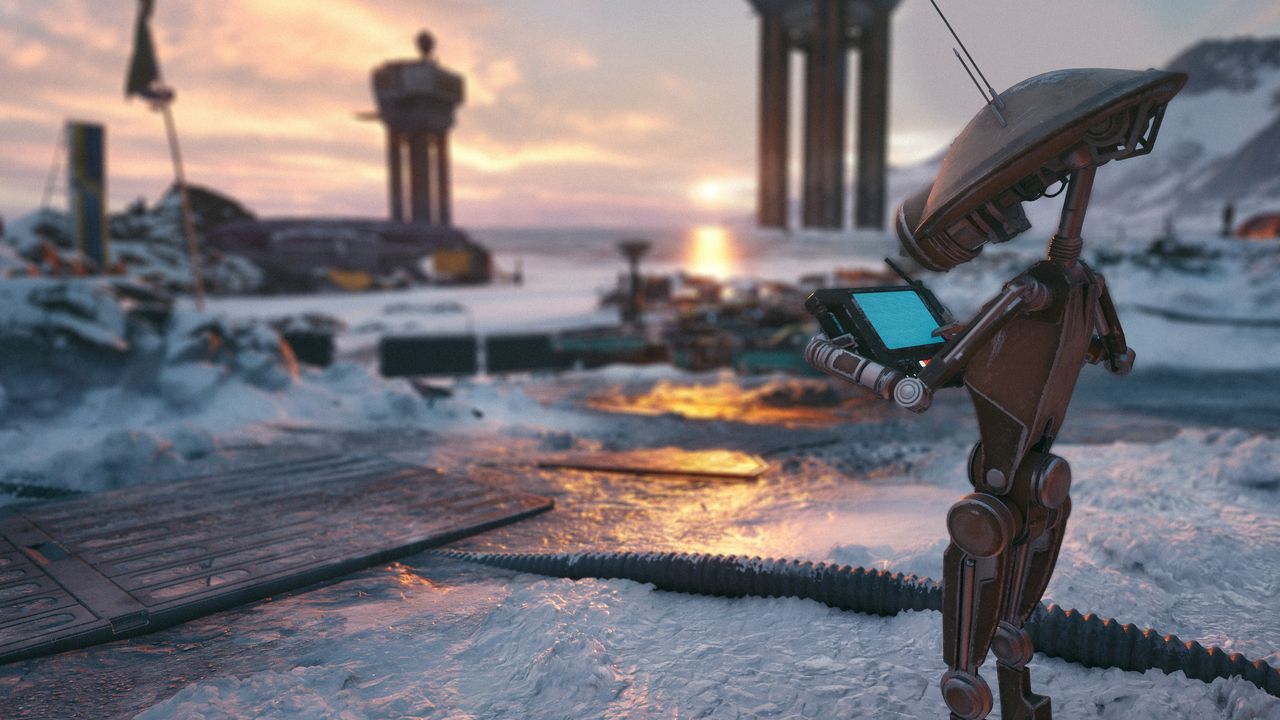
The game begins with players in the lower tiers of an underground racing league, where they start with vehicles like speeder bikes and landspeeders. These vehicles handle differently and are far faster than any terrestrial racing game. As players progress, they unlock more advanced vehicles, including the iconic podracer. The story is set in a small outpost between tournaments, with characters to interact with and a sense of progression that keeps players engaged.
The "consequence" in Galactic Racer is most evident when players enter a racing league. The selection of races mirrors the map screen found in Slay the Spire, offering a variety of routes, race types, and environments. Each race can be run in different conditions—day or night, forward or backward. If a player wipes out before finishing the league, they must restart, but they still earn progress and credits that can be used to upgrade their vehicle.
Crimmins elaborated on the structure, saying, "That's where that structure comes from: it's kind of a roguelike, run structure, which allows us two things. You have to build well as well and race well so that you can continue, so your decisions matter. Every line you take matters because the environment has effects on the build."
Customization and Strategy
The game offers an incredible amount of customization, not just visually but in how the vehicles function. Players can experiment with different abilities and synergies, creating unique builds that are not typically found in other racing games. For example, equipping a shield ability can save a player from deadly collisions, and using it repeatedly across races can unlock better shields and new racing styles for future runs.
On the other hand, swapping the shield for a Ramjet ability allows for sustained turbo boosts, letting players pass other racers—but at the risk of crashing. This balance between risk and reward is a key aspect of Galactic Racer and adds a layer of depth that is rare in the racing genre.
Progression and Accessibility
One potential downside to this structure is the need to repeat the same set of courses after a failure. While this is a common mechanic in many games, it can feel limiting if the player is stuck on the same tracks. Crimmins acknowledged this, noting that progression is more about track knowledge than upgrades. "If you know the tracks, it's not too difficult to get through the planets, and that is the motivation of it: you want to get to the next planet, see what it's about, further the story each time."
To ensure the game is accessible to players of all skill levels, Galactic Racer offers multiple difficulty settings, allowing players to choose a path that suits their experience. This flexibility ensures that both newcomers and veterans can enjoy the game without feeling overwhelmed.
A Promising New Entry in Racing
Despite the potential challenges, Galactic Racer stands out as a unique and ambitious entry in the racing genre. With its blend of roguelike mechanics, deep customization, and a variety of high-speed vehicles, it offers a fresh take on racing that is both challenging and rewarding. While it's still early to judge the full impact of the game, it's clear that Galactic Racer is trying to push the boundaries of what a racing game can be.
For fans of the original Episode I – Racer, the game may also serve as a nostalgic trip, especially with the upcoming sale on GOG. As Crimmins and his team at Fuse Games continue to refine the game, it's clear that Galactic Racer has the potential to become a standout title in the Star Wars gaming landscape.