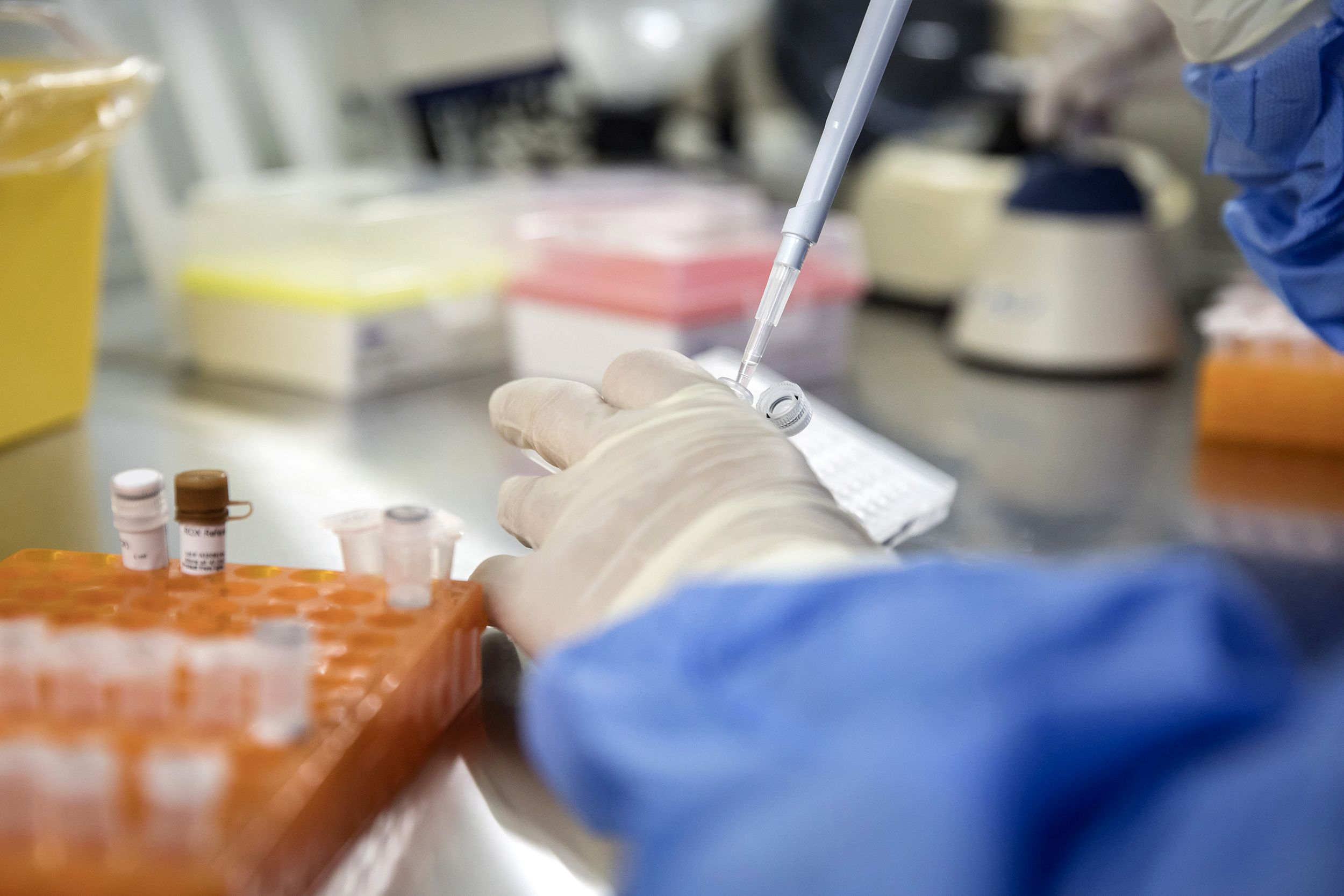
A single dose of engineered biological material enters the bloodstream, initiating a microscopic war against a viral adversary that has remained dormant for years. In clinical settings, this process resembles a precision strike; rather than flooding the system with broad-spectrum chemicals, scientists are deploying highly specialized, "revved-up" cells designed to seek out and neutralize specific threats. This experimental approach represents a fundamental shift in chronic viral management, moving away from daily suppression and toward long-term biological control.
The Mechanism of Supercharging Immune Cells
The core of this recent breakthrough lies in the manipulation of a patient's own immune system. For decades, the standard of care for HIV has relied on antiretroviral therapy (ART) to keep viral loads low. While highly effective, ART requires lifelong adherence and does not eliminate the underlying infection.
New research explores an aggressive tactic: taking immune cells out of the body, enhancing their potency through advanced biotechnology, and reintroducing them to act as persistent hunters. Recent clinical observations have provided a glimpse into how supercharging immune cells might impact viral suppression. In a small-scale study involving two participants, the data indicated:
- One participant experienced strong suppression of HIV for nearly an entire year following a single dose.
- Another subject showed a significant response, suggesting effects may extend well beyond immediate post-administration periods.
- The biological mechanism targets cells harboring the virus, potentially clearing reservoirs that traditional drugs cannot reach.
Overcoming Viral Latency and Persistence
The primary obstacle in curing or controlling HIV is the existence of viral reservoirs. These are pockets of infected cells where the virus remains quiet, invisible to both the natural immune system and standard medication. When treatment is interrupted, these reservoirs "wake up," leading to a resurgence of the virus.
By supercharging immune cells, researchers aim to bridge this gap. This method does not just suppress replication; it actively seeks out the hidden architecture of the infection. HIV researcher Satya Dandekar has noted the extreme long-term implications of such research, suggesting that while the current scope is small, the trajectory points toward a paradigm shift in how we define "control."
Risks and Precision Engineering
The complexity of this task cannot be overstated. Engineering cells to recognize specific viral markers requires immense precision to avoid autoimmune responses, where the body's newly empowered defenses accidentally attack healthy tissue. Scientists must balance the potency of these cells with the stability required to keep them functioning safely within a human host over several years.
A Path Toward Biological Autonomy
While current results are derived from a limited cohort, they provide a necessary proof of concept for immunotherapy in the context of retroviruses. The transition from pharmaceutical dependence to biological autonomy—where the body's own cells perform the heavy lifting—is a primary goal in biotechnology.
As these trials progress, several key metrics will determine if this becomes a standard treatment:
- The longevity of the engineered cells within the patient's circulatory system.
- The ability to maintain suppression across larger, more diverse patient populations.
- The scalability of the supercharging process in a clinical manufacturing environment.
The move toward cellular-based interventions marks an era where medicine functions less like a steady drip of chemicals and more like a programmed defense system. If these small-scale successes can be replicated, managing HIV through periodic, high-impact biological updates may eventually replace the necessity of daily medication.