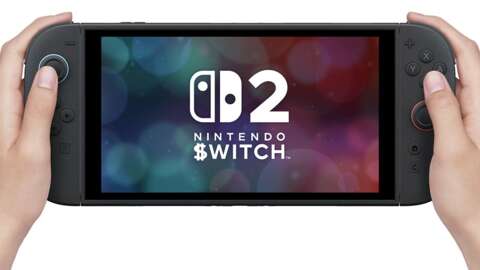
Nintendo is facing mounting pressure from shareholders to reconsider its pricing strategy for the upcoming Switch 2 console. As industry-wide production costs continue to climb and Nintendo's stock price faces recent volatility, investors are pushing for a move that prioritises hardware profitability.
The Push for Switch 2 Price Increases
According to a recent report from Bloomberg, Nintendo’s upcoming financial earnings release on May 8 arrives during a period of significant tension. While the company continues to see massive success through its first-party game releases, theme park expansions, and the momentum of The Super Mario Galaxy movie, the hardware side tells a different story.
Currently, the Switch 2 is reportedly being sold at a loss on a global scale. The current pricing structure stands as follows:
- United States: $450
- Japan (Region-locked): ¥318 (approximate conversion)
While overall sales have remained strong despite a somewhat lukewarm Christmas season, the financial drain of hardware subsidies is becoming hard for investors to ignore.
Learning from Sony and Microsoft
Unlike the original Nintendo Switch, which launched with a profitable hardware margin, Nintendo has intentionally opted to absorb manufacturing costs. The current strategy focuses on driving long-term revenue through software sales and high-margin accessories rather than upfront hardware profit.
However, investors are now demanding that Nintendo mitigates these losses to achieve better per-unit profitability. There is growing speculation that Nintendo may follow the lead of industry rivals Sony and Microsoft by implementing a price hike.
To satisfy shareholder demands, analysts suggest a potential increase of at least $50 could be on the table. If Nintendo moves forward with this adjustment, it would mark a significant shift in their hardware lifecycle strategy, moving away from the loss-leader model used for the previous generation.