Luxury watchmakers are increasingly looking toward nostalgic design cues and sustainable materials to recapture the zeitgeist of the 1980s. This trend is perfectly captured in TAG Heuer’s latest expansion of its iconic Formula 1 collection, featuring the new Polylight-Powered F1s. By blending the vibrant, plastic-cased charm of the original line with modern solar technology, the brand is bridging the gap between vintage collecting and contemporary utility.
Retro Aesthetics and the New Polylight Material
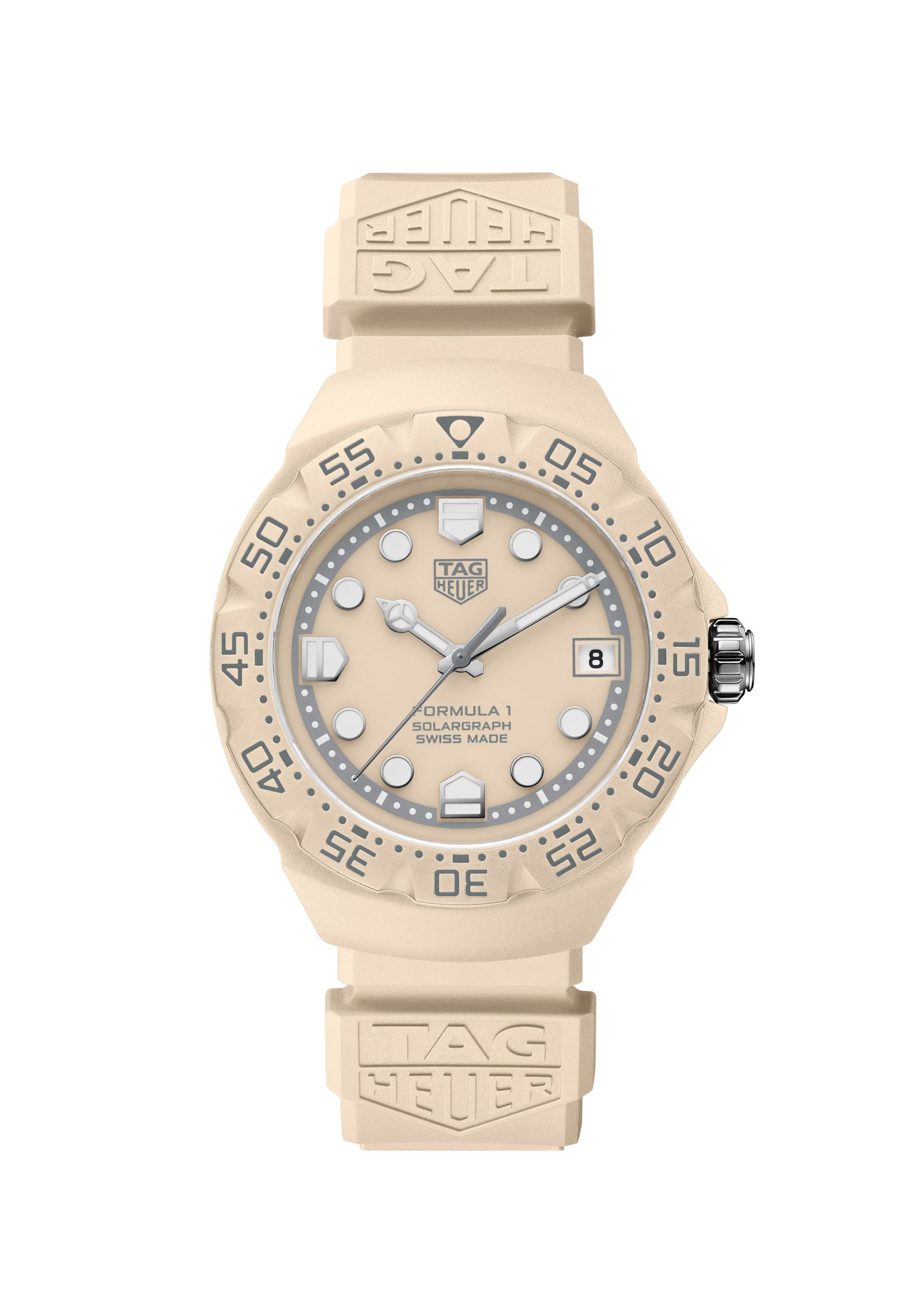
The new "Pastel Collection" marks a significant update to the brand's revamped 2025 lineup, moving away from the more utilitarian finishes seen in recent years. While some models utilize sandblasted stainless steel, the centerpiece of this release is the use of Polylight, a proprietary bio-polyamide plastic. These pieces arrive in soft pastel blue, beige, and pink, directly referencing the vibrant design language that made the original 1986 line a global success.
The shift from the older Arnite thermoplastic to Polylight represents an evolution of both durability and environmental consciousness. These updated models feature a 38mm case, providing a slightly larger, more modern presence on the wrist compared to their predecessors. Notably, the pink version carries a sense of urgency for collectors, as it is restricted to just 1,110 pieces to commemorate the 110th anniversary of the Indy 500.
Technical Specifications of the Polylight-Powered F1s
At the heart of these timepieces is the Solargraph movement, an engineering feat that leverages ambient light to maintain power. The TH-50 movement utilizes a solar module and circuitry from Japan’s Citizen, paired with high-quality timekeeping elements from La Joux-Perret.
The technical architecture is particularly clever: the dial consists of two superposed polymer layers that allow light to pass through to a solar cell hidden beneath. This ensures the watch remains functional even after long periods of inactivity. The specifications for these new iterations include:
- Power Reserve: Up to 10 months of continuous operation in complete darkness.
- Rapid Restart: A mere 10 seconds of light exposure is sufficient to jumpstart a dead movement.
- Water Resistance: 100 meters of protection, supported by screw-down crowns and case backs.
- Case Materials: Options include proprietary Polylight plastic and sandblasted stainless steel.
Market Positioning and Pricing Strategy
There is a notable divergence in how TAG Heuer is targeting different market segments with this release. The stainless steel models, featuring lavender blue or pastel green dials and eight diamond hour markers, are positioned as refined luxury items priced at $2,800. In contrast, the Polylight versions offer a more accessible entry point at approximately $1,950.
However, this pricing strategy invites scrutiny when compared to the broader industry landscape. We have seen from the MoonSwatch phenomenon that there is immense market power in aggressive, high-volume pricing models targeting younger demographics. While the technical integration of Citizen's solar tech is impressive, the $1,950 price tag for a plastic-cased watch sits in an awkward middle ground—too expensive to be a "disposable" fashion piece, yet not quite reaching the prestige of traditional steel chronographs.
Ultimately, the success of these Polylight-Powered F1s will depend on whether collectors view the material as a premium innovation or merely a modern substitute for cheaper vintage alternatives. For the enthusiast who values historical continuity, the secondary market for original 1980s F1 models remains a high-value alternative. Yet, for those seeking the reliability of modern solar power and a fresh aesthetic, this collection offers a compelling way to wear racing history.