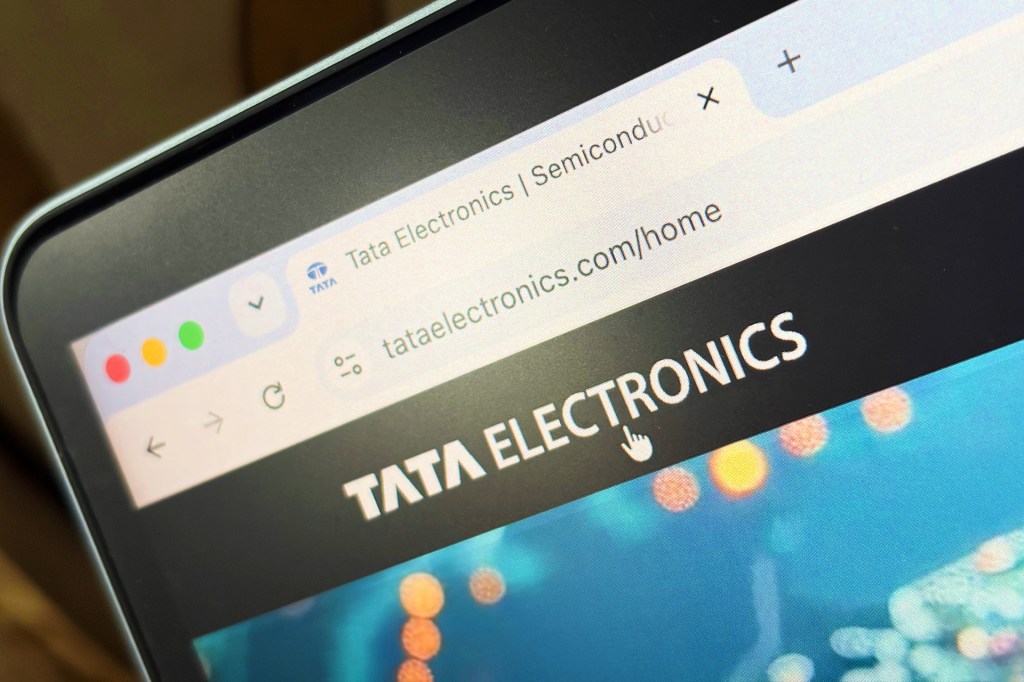
Tata Electronics, a major tech supplier to Apple and Tesla, confirms data breach
The hum of high-performance devices, the crisp interface of a smartphone, and the seamless integration of automotive systems all rely on the invisible work of global tech suppliers. When a breach occurs at one of these firms, the ripple effects can be felt far beyond the walls of a factory or data center. That’s exactly what’s happening now with Tata Electronics, a key supplier to Apple and Tesla, which has confirmed a cybersecurity incident that has raised alarms across the tech industry.
A Growing Reliance on Indian Manufacturing
Tata Electronics has rapidly become a linchpin in India’s evolving tech manufacturing landscape. Since its formation in 2020, the company has expanded its footprint, setting up operations across multiple states and forging partnerships with global tech leaders. This includes Apple, for whom it now manages iPhone assembly, and Tesla, with which it signed a semiconductor supply deal in 2024. These relationships have placed Tata Electronics at the center of a global supply chain shift — one that is increasingly looking to India as an alternative to China.
The company’s strategic acquisitions, such as the Wistron and Pegatron units, have further solidified its role in the production of high-profile consumer electronics. However, this expansion has also made it a target for cyber threats. Recent reports suggest that Tata Electronics has been the victim of a data breach, with files purportedly containing sensitive information now circulating online.
The Leaked Data and Its Implications
Cybersecurity researcher Rajshekhar Rajaharia has confirmed that the leaked data includes Outlook email conversations, SAP-related information, and internal documents that appear to be linked to Apple and Tesla. While the authenticity of the breach remains unverified, the potential exposure of such information could have far-reaching consequences for both the company and its clients.
- Outlook emails may reveal internal communications, project timelines, and strategic decisions.
- SAP data could expose financial and supply chain details, potentially giving competitors or malicious actors an edge.
- Client-related documents may include proprietary specifications or manufacturing processes, which could be exploited or leaked further.
A Tata Electronics spokesperson confirmed the breach, stating that the incident had “no impact on operations,” but the company has not disclosed the full scope of the data compromise. This lack of transparency has only heightened concerns about the security of the information that may have been exposed.
A Broader Industry Concern
The breach underscores a growing challenge in the tech manufacturing sector: as supply chains diversify and global production hubs shift, so too do the risks associated with cybersecurity. Tata Electronics is not the first supplier to face such an issue — similar breaches at companies like Foxconn and Flex have previously led to leaks of sensitive data and disrupted production timelines.
With Apple and Tesla now relying more heavily on Indian manufacturing, the stakes have never been higher. The potential exposure of supplier specifications or manufacturing documents could not only disrupt production but also provide competitors with critical insights into proprietary technology.
Looking Ahead
As the investigation into the breach continues, the incident serves as a sobering reminder that even as India emerges as a key player in global tech manufacturing, the cybersecurity landscape remains fraught with challenges. For Tata Electronics, the breach may be a wake-up call to bolster its defenses — not just for its own operations, but for the global tech giants it supplies.
The broader industry will be watching closely. How Apple and Tesla respond could set new standards for supplier security and data protection in an era where supply chain resilience is as critical as technological innovation. For now, the breach remains a shadow over a company that has been pivotal in shaping the future of tech manufacturing — but one that may soon need to confront the vulnerabilities of its own infrastructure.