The landscape of autonomous transportation is shifting as Uber enters its assetmaxxing era. Recent reports from the Financial Times indicate that Uber has committed more than $10 billion toward acquiring autonomous vehicles and securing equity stakes in key developers. This massive figure includes roughly $2.5 billion in direct investments, with an additional $7.5 billion earmarked for purchasing robotaxis over the coming years.
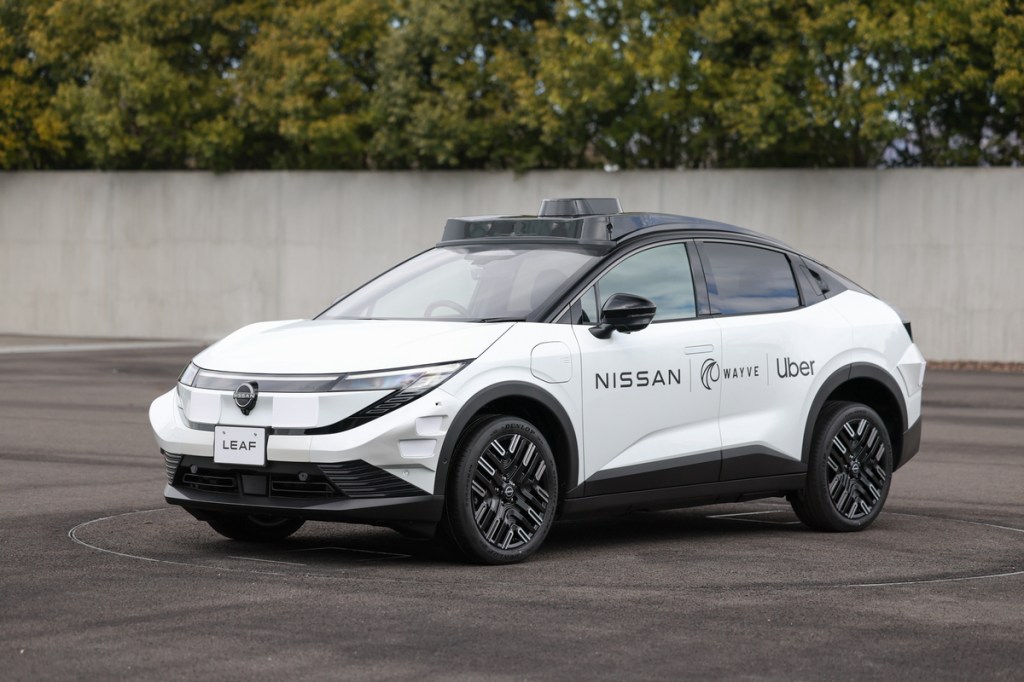
Uber’s portfolio of autonomous vehicle partnerships is already extensive. The company has established significant ties with industry players such as WeRide, Lucid, Nuro, Rivian, and Wayve. This aggressive spending signals a major change in how the ride-sharing giant intends to dominate the self-driving market.
From asset-light to owning the fleet
While Uber famously began with an "asset-light" philosophy, the company has experienced several transformative periods. Between 2015 and 2018, Uber embarked on a massive moonshot spree. During this time, they launched Uber Elevate for air taxis, developed the Uber ATG autonomous unit, acquired Otto, and purchased the micromobility startup Jump.
In 2020, Uber appeared to pivot away from these heavy assets by selling off key units. They transitioned Uber ATG to Aurora, moved Jump to Lime, and handed Elevate over to Joby Aviation. However, they strategically maintained equity stakes in these ventures, setting the stage for their current strategy.
As Uber enters its assetmaxxing era, the focus has shifted from developing in-house technology to controlling physical hardware. Rather than just funding R&D, Uber seems intent on owning or leasing the actual fleets that will power its future services. This shift could lead to significant new line items on the company's balance sheet.
Recent major mobility deals and investments
The broader transportation sector is seeing a surge of capital as startups race to scale their autonomous and electric technologies. Notable recent funding rounds include:
- Slate: The electric pickup startup raised $650 million in a Series C round led by TWG Global, bringing its total funding to $1.4 billion.
- Glydways: This San Francisco-based developer of autonomous pods secured $170 million in Series C funding.
- Loop: The autonomous startup raised $95 million in a round led by Valor Equity Partners.
- Delivery Hero: In a strategic move, Uber is increasing its stake in the company by 4.5%.
Industry shifts and emerging technologies
Beyond major funding rounds, several key movements are reshaping the mobility landscape. For instance, Monarch Tractor recently saw its assets acquired by Caterpillar following challenges in pivoting to a software-focused business model. Meanwhile, the defense sector is also taking interest, as GM and Ford reportedly discuss new procurement programs with the Pentagon.
Other notable developments include:
- Waymo has expanded its footprint by removing waitlists in Miami and Orlando and testing autonomous vehicles on public roads in London.
- Tesla has introduced a new self-driving app that allows users to track their Full Self-Driving statistics via a gamified interface.
- Rivian is collaborating with Redwood Materials to utilize second-life battery packs for energy storage at their Illinois factory.
As the industry matures, it is clear that the era of purely software-driven mobility is evolving into something much more hardware-centric.