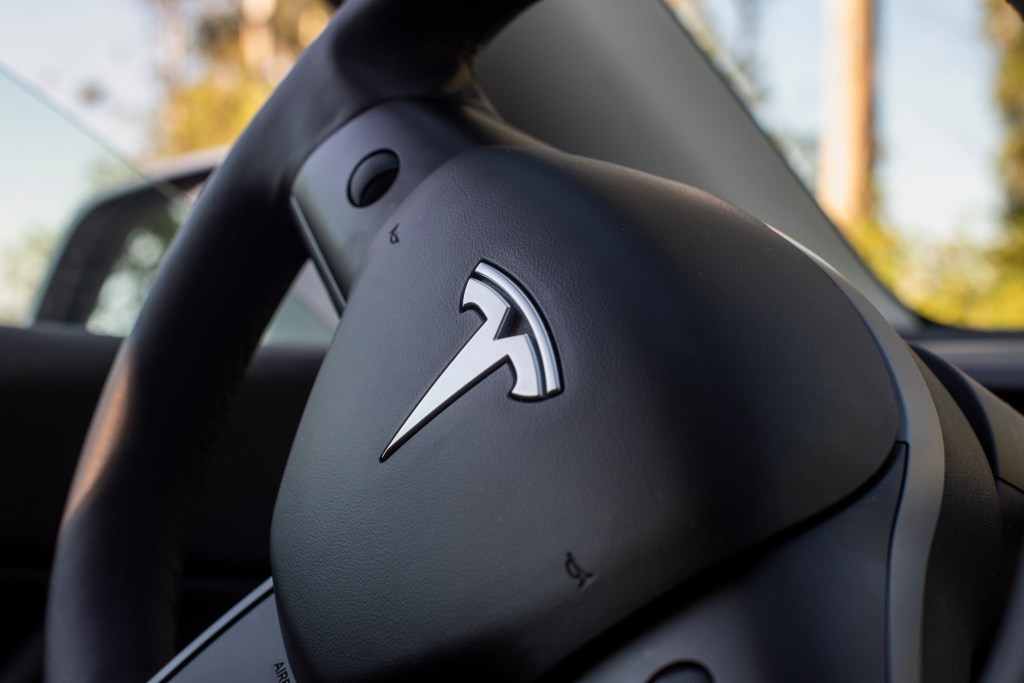
Tesla's highly anticipated Full Self-Driving (FSD) software is beginning its gradual expansion into the European market. While much of the hype has centered on North American deployments, recent developments suggest that the automaker is preparing to navigate the complex regulatory landscape of the EU to bring its advanced driver-assistance systems to a continental audience.
The rollout appears to be moving cautiously, adhering to strict European safety standards and data privacy regulations. This measured approach ensures that Tesla's vision-based autonomy can integrate seamlessly with local driving cultures and legal frameworks.
The Path to FSD Deployment in Europe
Bringing Tesla’s Full Self-Driving to Europe is not as simple as a software update. Unlike the United States, where regulatory hurdles are often cleared through iterative releases, European authorities require rigorous validation of autonomous features.
Several factors are influencing how this technology enters the market:
- Regulatory Compliance: Meeting the stringent requirements set by the European Commission regarding automated driving systems.
- Hardware Capabilities: Ensuring that Tesla’s "Vision" approach—which relies entirely on cameras rather than radar or LiDAR—meets local safety expectations.
- Mapping and Localization: Adapting the software to handle unique European road signs, narrow streets, and diverse urban layouts.
Navigating EU Safety Standards
The complexity of the European market lies in its fragmented yet highly regulated nature. For Tesla to successfully implement FSD, it must prove that its neural networks can handle unpredictable human drivers and varying weather conditions across different member states.
As the software creeps into the region, we expect to see a heavy emphasis on supervised autonomy, where the driver remains responsible for intervention while the system handles navigation, braking, and steering.
What This Means for European Drivers
For Tesla owners across Europe, the arrival of FSD represents a significant shift in the ownership experience. It moves the vehicle from a standard driver-assist platform to a more proactive, intelligent assistant.
While the software is currently categorized as a Level 2 system, the continuous improvement of Tesla's AI training models suggests that the capability will grow over time. Drivers should prepare for a phased rollout, likely starting with specific regions or pilot programs before a full-scale continent-wide release.
As Tesla continues to refine its software stack, the integration of FSD in Europe will be a litmus test for whether vision-only autonomy can truly conquer the world's most demanding driving environments.