The smartphone ecosystem is experiencing a violent rebound in developer activity, directly contradicting years of industry predictions that generative intelligence would render traditional mobile applications obsolete. Instead of collapsing under the weight of conversational agents, app release volumes are accelerating at unprecedented rates. Data from market intelligence firm Appfigures reveals a 60 percent year-over-year surge in global app launches across Apple and Google platforms during the first quarter of 2026.
iOS specifically recorded an 80 percent spike, with April alone tracking toward a 104 percent increase. These numbers dismantle the long-held narrative that AI will replace point-and-tap interfaces, pointing toward a structural transformation driven by a completely new class of creator.
The Era of Vibe Coding and Democratized Development
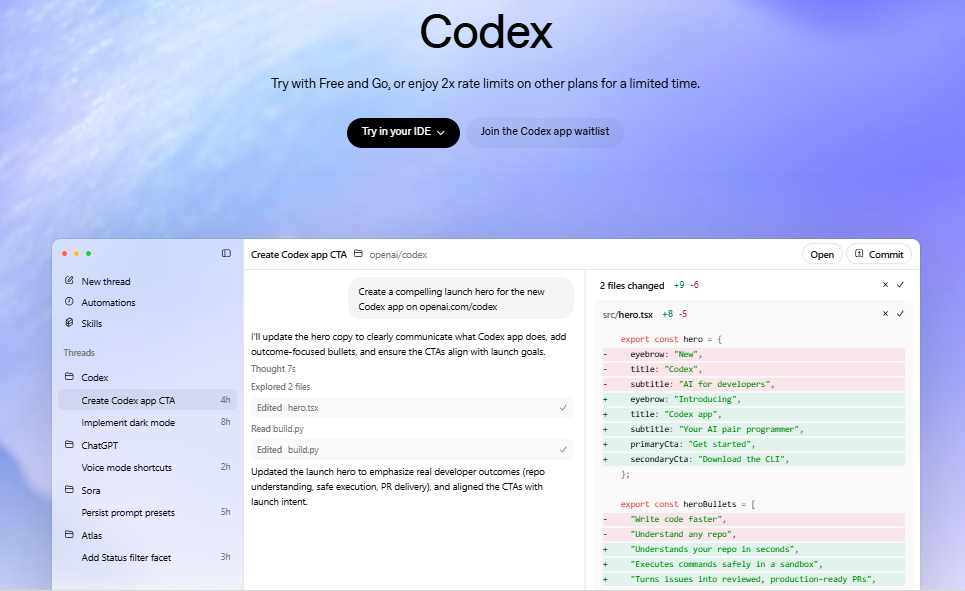
The architecture of mobile software development is shifting beneath traditional engineering teams. AI-assisted programming environments are lowering the barrier to entry for non-technical founders who previously lacked access to specialized development pipelines. What once required years of experience in Swift or Kotlin can now be prototyped in hours using natural language prompts and iterative refinement loops.
This democratization of code generation is fueling a new wave of utility-focused applications that prioritize function over polished marketing budgets. The focus has shifted from complex backend engineering to rapid deployment and user-centric design.
Productivity tools have climbed into the top five launch categories this year, while utilities have secured the second spot. Lifestyle and health applications followed closely, rounding out the most active sectors alongside mobile gaming.
The Security Crisis in an Age of Automated Creation
The sudden influx of AI-generated software has exposed cracks in Apple’s app review infrastructure. When release volumes multiply without proportional increases in security personnel, oversight inevitably suffers. Recent high-profile failures highlight the strain on a system designed for quarterly development cycles.
A rewards application climbed to the top five charts for months before Apple detected policy violations and removed it. In another incident, a cryptocurrency clone mimicking Ledger Live successfully siphoned $9.5 million from unsuspecting users before being flagged. These breaches are mathematical inevitabilities when submission pipelines operate at this velocity.
Apple’s 2024 internal metrics already showed the company blocking over 17,000 bait-and-switch violations and rejecting more than 320,000 spam submissions. Yet the sheer volume of AI-drafted code means malicious actors can iterate faster than human reviewers can analyze. Industry analysts have long warned that the App Store requires a dedicated fraud task force rather than relying on static review guidelines.
The platform must now contend with three distinct operational realities:
- Accelerated iteration cycles that continuously outpace manual security auditing
- Democratized distribution that floods stores with unpolished but functional tools
- Evolving fraud patterns that exploit AI-generated UI and synthetic user data
The Economic Shift Behind the App Store Renaissance
The resurgence of mobile applications is not a temporary blip in developer sentiment. It represents a fundamental realignment of how software gets built, distributed, and monetized. Traditional mobile development demanded specialized infrastructure, compliance knowledge, and significant capital.
AI development platforms have commoditized the initial coding phase, allowing solo creators and micro-studios to compete with established publishers. This shift will force platform holders to adapt their revenue models and security protocols to match the new velocity. Market intelligence suggests a clear trajectory ahead.
The next wave of successful mobile applications will not be measured by their code quality, but by their ability to integrate seamlessly with autonomous agents. The industry narrative that artificial intelligence would dismantle the mobile app economy has proven fundamentally flawed. The technology did not kill applications; it industrialized their production.
As AI coding tools mature, the competitive advantage will shift from writing syntax to designing user experience and maintaining trust. Platforms that fail to modernize their review pipelines will hemorrhage developer revenue to less regulated digital marketplaces. The App Store is booming again because the bottleneck of software creation has been removed. What remains is a race to filter signal from noise.